 Ferndale Window
 Windows Built for Life Near the Water
Lummi Nation sits close enough to the water that homes here deal with a different set of pressures than houses further inland. Salt-laden air off Bellingham Bay and the Strait works its way into window frames, hardware, and seals in ways that inland Whatcom County homes simply don't experience. Add in driving rain that comes sideways during winter storms and a moss season that can stretch from October through May, and you've got a climate that is genuinely hard on windows. We've been servicing homes throughout the Ferndale area, including Lummi Nation, and we've seen firsthand what this environment does to window systems that weren't built or installed with it in mind.
This page covers what we see most often on service calls in this area, how we approach window replacement and repair for these conditions, and what to expect if you're considering new windows for a home here.
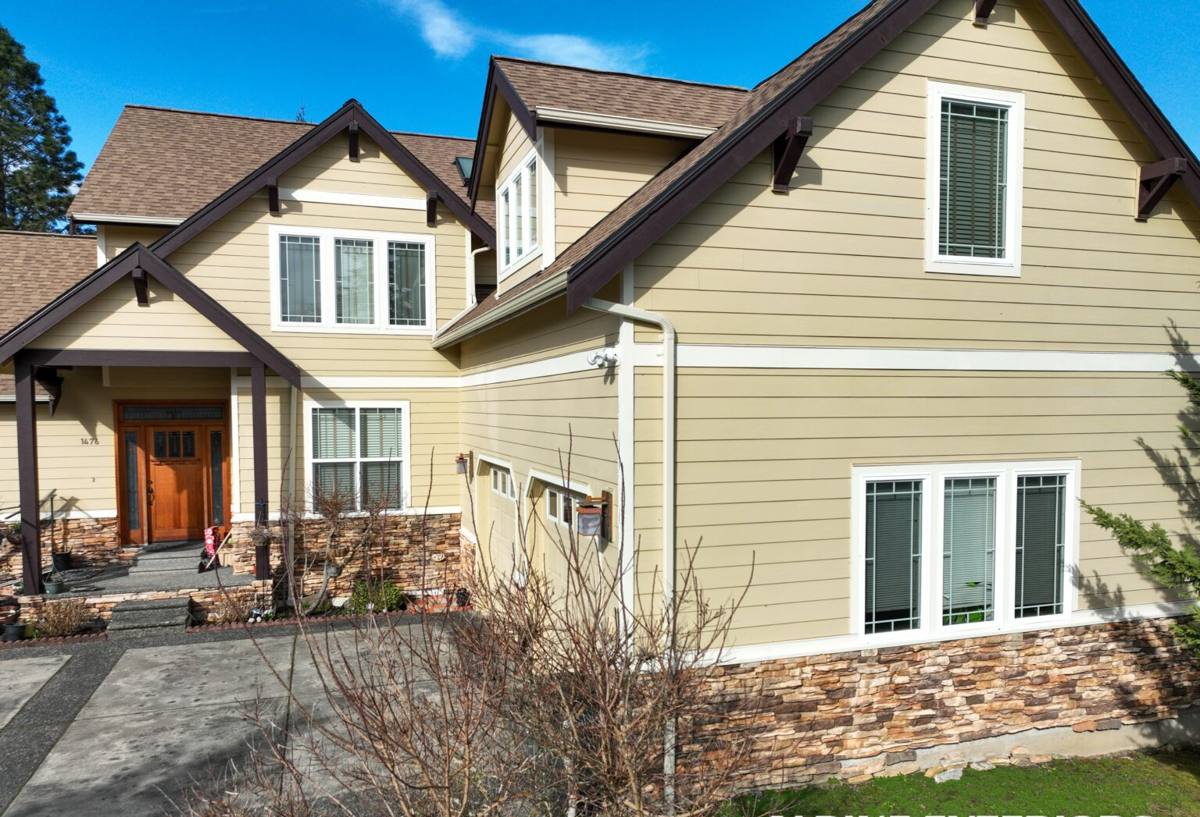
What the Local Climate Does to Windows
Salt Air and Metal Hardware
Homes closer to the shoreline take on airborne salt that settles on exterior surfaces, including window frames and hardware. Over years, this accelerates corrosion on lower-quality hinges, locks, and cranks, especially on older aluminum-frame windows. It also degrades some finishes faster than the same product would wear in a drier, inland setting. This doesn't mean windows near the water are doomed to fail early — it means the hardware and finish specifications matter more here than they would in, say, eastern Whatcom County.
Driving Rain and Wind-Driven Moisture
Storms coming off the water don't just drop rain straight down — wind pushes it sideways into wall assemblies and window openings. A window that's watertight in a light, vertical rain can still leak under wind-driven conditions if the flashing and sill pan weren't detailed correctly at installation. This is one of the most common sources of hidden water damage we find behind trim and siding on service calls: not a bad window, but a window that wasn't flashed for the way rain actually behaves in this area.
Moss, Shade, and Prolonged Dampness
Many properties in and around Lummi Nation sit under mature tree cover, which is part of what makes the area attractive, but it also means less direct sun on exterior walls and window sills for much of the year. Combined with our long wet season, that shade keeps wood sills and trim damp longer than they'd stay in a more open, sun-exposed setting. Moss and algae take hold on horizontal surfaces first — sills, mullions, and trim boards — and if left alone, trapped moisture underneath can lead to soft wood and eventual rot at the corners where seals are most vulnerable.
How We Approach Window Work in This Area
Because of what's outlined above, we don't treat every window job the same regardless of location. For homes in Lummi Nation and other areas close to the water, our process leans on a few specific practices:
- Sill pan flashing on every replacement, not just where code minimums require it, to give wind-driven rain a path out instead of a place to collect.
- Corrosion-resistant hardware specs for coastal-exposure homes, since standard hardware finishes can wear faster this close to salt air.
- Careful attention to existing trim and sheathing condition during tear-out, so we catch moisture damage before it's covered back up with a new window.
- Realistic talk about sun exposure and shade on your specific property, since that affects how often sills and trim will need cleaning or maintenance regardless of window quality.
None of this is exotic. It's mostly discipline: doing the flashing detail correctly every time, specifying hardware that holds up, and not rushing tear-out on an older window without checking what's behind it.
Signs Your Windows Are Struggling With the Climate
Homeowners in this area often call us after noticing one or more of the following. If any of these sound familiar, it's worth having someone take a look before the underlying issue gets more expensive to fix:
- Sills or lower corners that feel soft, spongy, or discolored when pressed.
- Persistent moss or dark staining on horizontal window trim that keeps returning after cleaning.
- Hardware — locks, cranks, hinges — that's stiff, corroded, or difficult to operate.
- Visible fogging or moisture between panes of double-glazed windows, which indicates a failed seal.
- Drafts or cold spots near the window frame during winter storms, especially ones with wind.
- Paint or finish that's peeling or bubbling on the interior sill, which often points to moisture getting in from outside.
Repair vs. Replacement
Not every window problem means a full replacement. We look at the actual condition of the frame, sash, and surrounding structure before recommending anything. Broadly, here's how we think about it:
| Condition | Typical Recommendation | Why |
|---|---|---|
| Failed seal, fogged glass, otherwise sound frame | Glass unit replacement | The frame and hardware are still doing their job; only the insulated glass unit has failed. |
| Stiff or corroded hardware, frame otherwise solid | Hardware repair or replacement | Often the cheapest fix and can add years to a window's service life. |
| Soft or rotted sill, minor and localized | Sill repair or partial rebuild | Catching rot early can avoid a full window replacement. |
| Rot extending into the frame or surrounding wall sheathing | Full window replacement | Once structural wood is compromised, patching won't restore a weathertight seal. |
| Single-pane or very old aluminum-frame windows | Full replacement recommended | Older units generally can't match the energy performance or moisture handling of current window systems. |
We'll always tell you honestly which category your situation falls into rather than defaulting to the most expensive option.
What We Install and What We Don't
We work with vinyl and fiberglass window lines suited to Pacific Northwest coastal exposure, chosen for how their frame materials and glazing packages hold up to sustained moisture and wide temperature swings between summer and winter. We're selective about wood-frame windows in this specific setting. Wood offers real appearance advantages, but it demands more consistent upkeep to perform well under salt air and prolonged dampness, and that maintenance burden is worth being upfront about before you invest in a full window replacement. If a wood window is the right call for your home's look and you understand the maintenance commitment, we'll install it correctly — we just want that decision made with the local climate in mind, not glossed over.
On glazing, we generally recommend dual-pane, low-E units as a baseline for this area. The combination of glare off the water at certain times of day and our cooler, wetter climate makes low-E coatings a practical upgrade rather than a luxury add-on.
Beyond Windows: The Rest of the Building Envelope
Windows don't operate in isolation. A new window installed into siding or trim that's already compromised won't perform the way it should, and a window leak that's ignored long enough often ends up as a roofing, siding, or even deck framing issue once water finds its way further into the structure. Because we handle siding, roofing, windows, and decks, we're able to look at a property as one connected system rather than quoting a window replacement in a vacuum. If we spot siding damage or roof flashing issues while we're out for a window estimate, we'll tell you — not to upsell, but because those things are often related to the same moisture pathway.
Why a Local Crew Matters Here
Lummi Nation isn't a generic suburb, and homes here deserve a crew that understands the specific combination of salt exposure, wind-driven rain, and shade-driven moss that this stretch of Whatcom County produces. A contractor working from a one-size-fits-all installation manual, without adjusting for coastal exposure, is more likely to miss the flashing and hardware details that actually matter here. We're based in Ferndale, we work this area regularly, and our approach to window installation reflects what we've actually observed on homes like yours — not generic manufacturer guidelines written for a different climate.
What to Expect When You Call Us
For most window projects, our process looks like this:
- An on-site visit where we inspect existing windows, frames, and any visible sill or trim damage.
- An honest assessment of what's repairable versus what needs full replacement, explained in plain terms.
- A written estimate covering materials, labor, and any flashing or trim repair the job requires.
- A realistic timeline, including how weather windows factor into scheduling exterior work in our wet season.
- Installation with attention to flashing and sealing details suited to this specific climate, not a generic installation.
Get a Free, No-Pressure Estimate
If you're dealing with drafty, foggy, or hard-to-operate windows on a Lummi Nation property, or you just want an honest read on how much life is left in what you've got, we're happy to take a look. Use the form below to request a free estimate — no pressure, no obligation, just a straight assessment from a crew that knows what this area's climate does to windows over time.