 Ferndale Window
 Windows Built for Custer's Weather, Not Just the Showroom
Custer sits in that stretch of Whatcom County where Puget Sound air, farmland fog, and a long wet season all meet. If you've owned a home out here for more than a winter or two, you already know what that combination does to a house. Salt-tinged air off the water works into aluminum hardware and steel components. Driving rain, pushed sideways by wind off the water, finds every gap in old flashing and worn weatherstripping. And the moss season — which in this part of Whatcom County can run most of the year — holds moisture against siding, trim, and window sills longer than most manufacturers ever tested for.
Windows are one of the first places that shows up. Older aluminum-frame windows corrode and stick. Wood sashes that once fit snug swell, stick, or start to rot at the corners. Double-pane units fog between the glass once the seal finally gives out. None of this is a sign you did anything wrong — it's just what 15, 25, or 40 years of Whatcom County weather does to a window that was never built with this climate in mind.
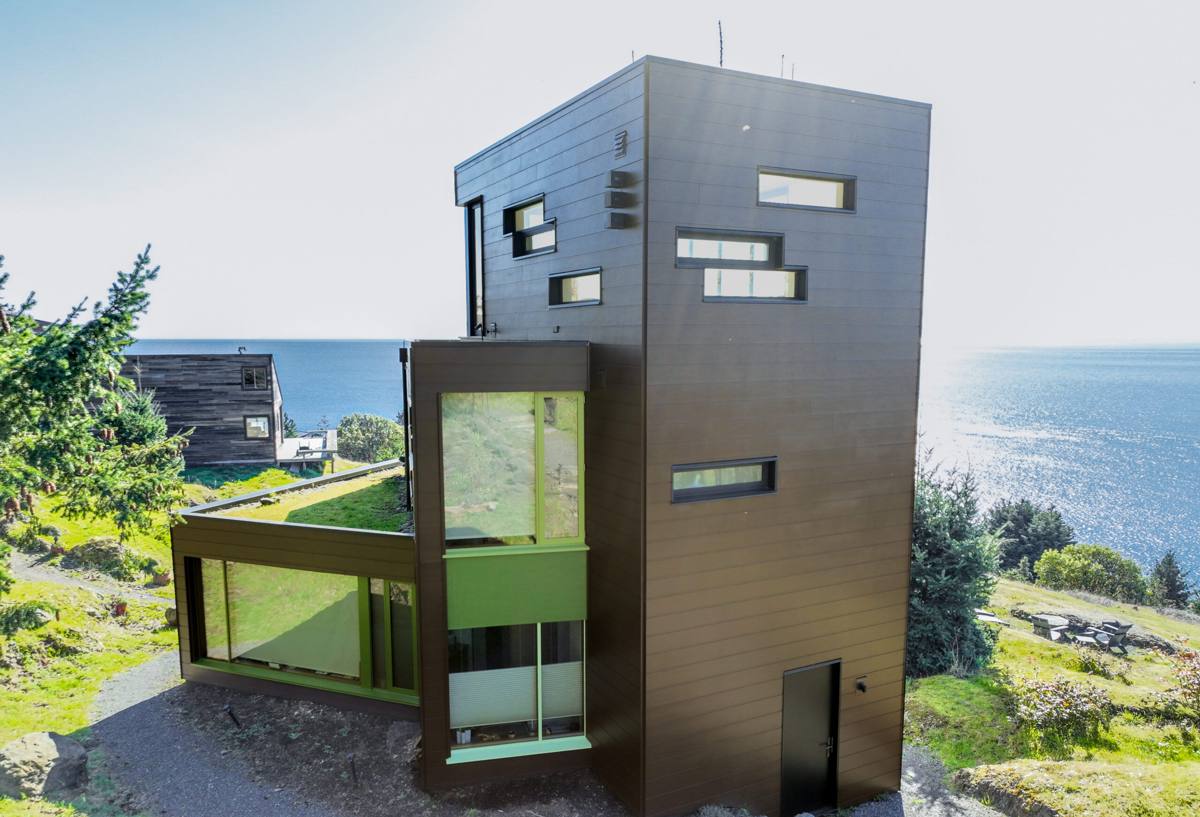
Signs a Custer Home Is Due for Window Replacement
Most homeowners don't wake up one day and decide to replace windows. It's usually a slow accumulation of small annoyances that finally add up. Here's what we look for, and what you can check yourself before calling anyone out.
- Fogging or a visible haze between the panes — the sealed gas fill has failed and the insulating value is gone
- Windows that won't stay open, won't latch, or need a shoulder to force shut
- Visible gaps around the frame where you can feel air movement on a windy day
- Soft or discolored wood at the sill or lower corners — often the first sign of moisture getting behind the frame
- Condensation forming on the inside of the glass regularly through the colder, wetter months
- Noticeably colder rooms near windows, or a spike in heating costs with no other explanation
- Paint that keeps failing on wood trim around the window no matter how often it's redone
Any one of these on its own isn't necessarily urgent. Several of them together, especially on windows facing the prevailing weather, usually means the window has reached the end of its useful life rather than needing another repair.
Why Installation Quality Matters More Here Than the Window Itself
A lot of window sales pitches focus entirely on the glass package and the frame material. Those matter, but in a driving-rain climate like ours, the installation is what actually keeps water out. A premium window installed with poor flashing will leak. A mid-grade window installed correctly, with proper flashing tape, sill pans, and sealant sequencing, will outperform it every time.
This is where a lot of window problems in older Whatcom County homes actually started — not with a bad product, but with a rushed or incomplete install years ago that let water get behind the frame slowly, over time, until rot set in. We treat flashing and drainage as the non-negotiable part of the job, because that's the part that determines whether the window is still doing its job in fifteen years.
What Proper Installation Looks Like
On every replacement, that means integrating the new window with the existing weather-resistive barrier correctly, not just caulking around the edges and calling it done. It means a sloped sill pan so any water that does get past the outer seal has somewhere to go besides your wall framing. And it means matching the sealant and flashing tape to the actual wall assembly on your home, rather than using the same generic approach on every job regardless of how the house was built.
Comparing Window Frame Materials for This Climate
There's no single "best" window material — the right choice depends on your budget, your home's style, and how much upkeep you want to take on. Here's how the common options actually perform in a wet, salt-air-adjacent climate like Custer's.
| Material | Moisture Performance | Maintenance | Typical Trade-Off |
|---|---|---|---|
| Vinyl | Excellent — doesn't rot, rust, or corrode | Low — occasional cleaning | Fewer color/trim options; can look plain on period homes |
| Fiberglass | Excellent — very stable, resists warping | Low | Higher upfront cost than vinyl |
| Wood, painted | Good if properly maintained; vulnerable if paint fails | High — repainting and sealing on a regular cycle | Best traditional look; requires ongoing commitment |
| Wood-clad (exterior clad, wood interior) | Good — clad exterior sheds most weather exposure | Moderate | Interior wood still needs occasional attention |
| Aluminum | Poor in salt-influenced air — prone to corrosion and thermal loss | Moderate | We don't recommend it for most homes in this area |
For most Custer homes, we steer people toward vinyl or fiberglass for anything facing the weather, simply because they hold up with the least ongoing maintenance. Painted or clad wood still has a place, especially on homes where matching an existing look matters, but it comes with a maintenance commitment that vinyl and fiberglass don't.
What Actually Drives the Cost of a Window Project
Every home is different, so we won't quote a number without seeing the house, but these are the factors that move the price up or down on most jobs.
| Factor | Why It Matters |
|---|---|
| Number and size of openings | More glass and larger units mean more material and labor |
| Frame material chosen | Vinyl is typically the most budget-friendly; fiberglass and clad wood cost more upfront |
| Full-frame vs. insert replacement | Insert replacement reuses the existing frame where it's sound; full-frame replaces everything, including flashing — often necessary where there's been water damage |
| Condition of the surrounding wall | Rot or water damage found once the old window is out adds repair scope |
| Glass package | Upgraded low-E coatings or gas fills add cost but improve comfort and efficiency |
| Access and site conditions | Second-story windows, tight landscaping, or difficult access can add labor time |
Insert Replacement vs. Full-Frame: An Honest Look
When the existing frame and surrounding wall are still sound and dry, an insert replacement — fitting a new window into the existing frame — is often the more economical and less disruptive option. It preserves your existing trim and siding and keeps the job faster.
But if we find soft wood, past water intrusion, or a frame that's out of square, insert replacement just locks a problem inside the wall. In those cases, full-frame replacement is the honest recommendation, even though it costs more and takes longer. We'll tell you which situation you're in before any work starts, not after.
Why a Local Crew Matters for This Kind of Work
Window replacement in a climate like ours isn't just a product installation — it's weatherproofing work. A crew that works across Ferndale and the surrounding Whatcom County communities day in and day out has a feel for how homes in this specific area were built, what materials tend to show up behind the siding, and where water problems typically start. That's not something you get from a national installer passing through on a regional route.
Being local also means we're around after the job is done. If a question comes up two winters from now, you're calling a crew that's still working in the same area, not chasing down a call center.
Windows Are One Piece of the Exterior
Windows rarely fail in isolation. The same moisture and wind exposure that wears out old windows is also working on your siding, roofing, and any exterior wood on decks or trim. When we're out for a window estimate, we'll flag anything else we notice — a soft spot in siding near a window, a roofline detail that's funneling extra water toward a wall, a deck ledger that needs attention — because those issues interact. Fixing windows while ignoring a roofing or siding problem feeding water toward them just delays the next repair.
We handle siding, roofing, windows, and decks, which means the whole exterior gets looked at with the same eye rather than treated as separate, disconnected jobs.
What to Expect From the Process
- An on-site visit to assess your existing windows, check for hidden moisture or rot, and measure openings
- A clear walkthrough of material and glass options that fit your budget and the exposure your home actually faces
- A written estimate that separates material, labor, and any anticipated repair work
- Installation with proper flashing, sill pans, and sealant integration — not just a drop-in swap
- A final walkthrough so you know exactly what was done and how to maintain it
Ready When You Are
If your windows in Custer are fogging, sticking, drafty, or just showing their age, we're happy to come take a look and give you a straight answer about what's going on and what it would take to fix it — no pressure, no sales script. Fill out the form below and we'll get a free estimate scheduled.