 Ferndale Window
 What "Energy-Efficient" Actually Means for a Window
Every window sold today gets called "energy efficient" by somebody's marketing department, which makes the phrase almost meaningless on its own. What actually matters is a small set of measurable properties: how much heat the window lets escape or enter, how well it's sealed, and how well the frame and glass hold up over years of real weather. In Ferndale, that last part carries extra weight. We're close enough to Bellingham Bay and the Strait of Georgia that salt-laden air is a real factor on window hardware and finishes, and Whatcom County's wet season brings driving rain that tests every seal and flashing detail a window has. A window can be efficient on paper and still perform poorly here if it wasn't built or installed with our climate in mind.
This guide walks through the ratings that actually tell you something, the frame and glass options available, and the installation details that determine whether a good window stays good for the next 20-30 years.
The Numbers That Matter: U-Factor, SHGC, and the NFRC Label
Every legitimate window sold in the U.S. carries a National Fenestration Rating Council (NFRC) label with a handful of numbers on it. Two of them matter most for our region:
U-Factor
U-factor measures how much heat moves through the window — lower is better. This is the number that matters most in a climate like ours, where the goal most of the year is keeping conditioned indoor air from bleeding out through cold glass and frames. Most modern double-pane windows land somewhere between 0.20 and 0.35; triple-pane units can get lower still.
Solar Heat Gain Coefficient (SHGC)
SHGC measures how much solar heat passes through the glass — higher lets in more warmth, lower blocks more. In the Pacific Northwest, where sunny days are the exception rather than the rule, a moderate SHGC is often the right call: enough to pick up some free solar warmth on clear days without turning a south-facing room into a greenhouse during a rare July heat spell.
Air Leakage and Condensation Resistance
Two other numbers are worth checking: air leakage (lower is better — it's a direct measure of drafts) and condensation resistance, which is genuinely useful information in a climate as damp as ours. A window with poor condensation resistance will fog and sweat on the inside during our cold, wet mornings, which over time contributes to sill rot and mildew.
Don't shop by ENERGY STAR sticker alone. ENERGY STAR is a pass/fail label based on regional climate zones, not a performance ranking. Two ENERGY STAR-certified windows can have meaningfully different U-factors. Ask for the actual NFRC numbers and compare them directly.
Frame Materials and How They Handle Our Climate
The frame does more than hold the glass — it's the part exposed to sun, rain, and salt air every single day, and it's usually the first thing to show wear.
Vinyl
The most common choice for good reason: low maintenance, decent insulating value, and no painting required. Quality varies a lot between manufacturers — look for multi-chambered frame construction and welded (not just mechanically fastened) corners, which hold up better against the flexing that comes with our temperature swings and wind-driven rain.
Fiberglass
More dimensionally stable than vinyl, meaning it expands and contracts less with temperature changes, which helps seals last longer. It also holds paint well if you want a custom color down the road. It costs more up front but is a strong option for homes closer to the water where salt exposure is heavier.
Wood and Wood-Clad
Nothing beats the look of real wood, but bare wood frames need real upkeep in a climate with a moss season as long as ours — trapped moisture is what rots a wood sill, not the rain itself. Aluminum- or vinyl-clad wood windows give you the interior wood look with a weather-resistant exterior shell, which is a reasonable compromise if appearance matters to you.
Aluminum
Durable and slim-profiled, but aluminum conducts heat and cold directly unless it has a thermal break built into the frame. Without one, aluminum frames perform poorly in our climate and are prone to interior condensation. If you're considering aluminum, a thermal break isn't optional — it's the difference between a functional window and a cold, sweating one.
Glass Packages: Panes, Gas Fills, and Low-E Coatings
The glass unit itself — technically called the insulated glazing unit, or IGU — is doing most of the thermal work.
Double-Pane vs. Triple-Pane
Double-pane is the standard and performs well when paired with a good Low-E coating and gas fill. Triple-pane adds a third layer of glass and another sealed air space, improving U-factor and sound dampening further, at added weight and cost. For most Ferndale homes, double-pane with a quality Low-E coating hits the practical sweet spot; triple-pane earns its keep on north-facing rooms, homes near busier roads where sound matters, or for owners who want the lowest achievable heating bills and are willing to pay for it.
Low-E Coatings
Low-emissivity coatings are microscopically thin metallic layers that reflect heat while still letting light through. They're standard on virtually every quality window sold today and are one of the biggest single contributors to a window's efficiency. Different Low-E formulations shift the SHGC up or down, so this is where "efficient for our climate" gets tuned to the specifics of a north-facing versus south-facing room.
Gas Fills and Spacers
Argon or krypton gas between the panes insulates better than plain air and is standard practice now. The spacer — the strip separating the panes at the edge of the glass — matters more than most homeowners realize. Older aluminum spacers conduct heat and cold and are a common site for edge condensation; warm-edge spacers (foam or composite) perform noticeably better, especially in our humid, cool climate.
Why Installation Quality Matters as Much as the Window Itself
A high-performance window installed poorly will underperform a mid-grade window installed correctly — this is the single most common thing homeowners underestimate. In an area that sees as much driving, wind-blown rain as Whatcom County, the flashing and sealing details around the window opening are doing as much work as the window itself.
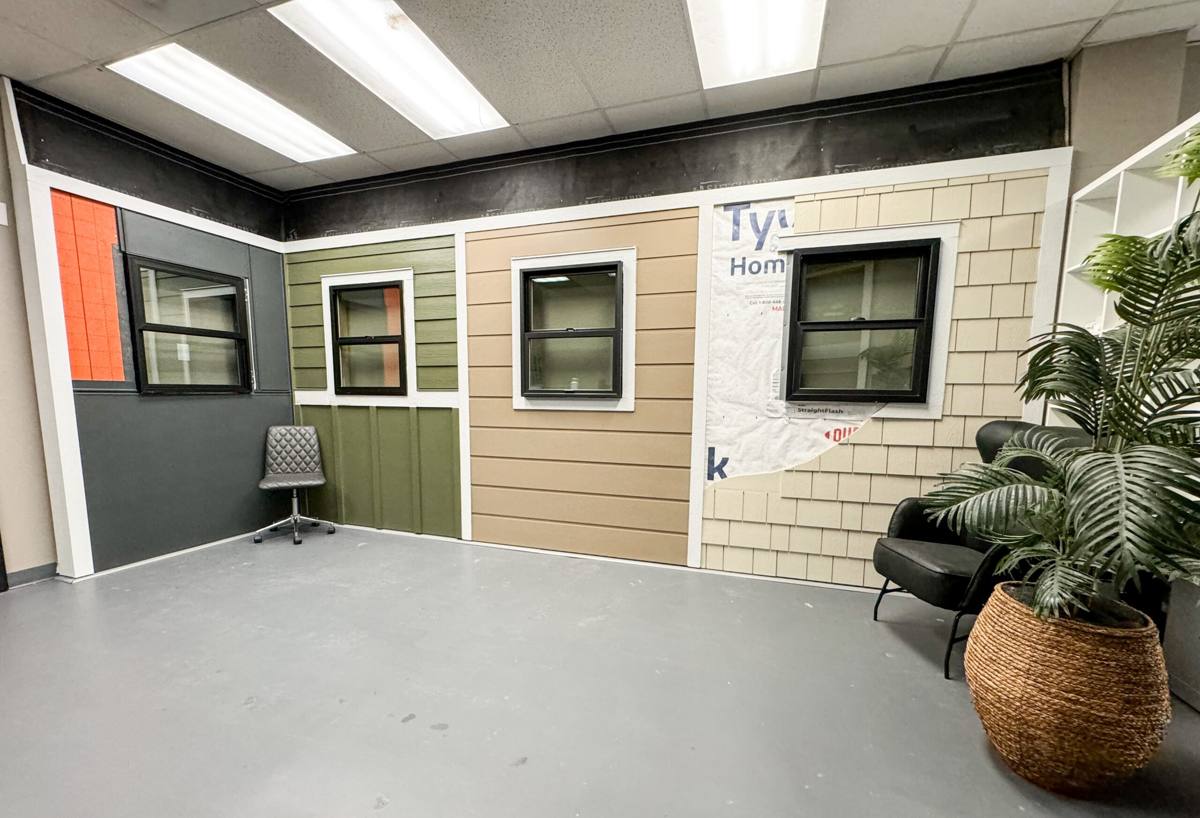
- Proper flashing integrates with the house wrap or building paper so water sheds down and out, never behind the siding.
- Sill pans under the window catch and direct any water that does get past the exterior seal, instead of letting it sit against the framing.
- Backer rod and quality exterior sealant at the perimeter — not just caulk smeared over a gap — keep wind-driven rain out during a real Pacific storm.
- Correct shimming keeps the window square, which affects both how smoothly it operates for the next 20 years and how well the weatherstripping seals.
Salt air adds one more consideration: exposed fasteners and hardware should be corrosion-resistant, and any mechanical hardware left exposed to the elements is worth asking about specifically if your home is closer to the water.
Cost Factors and What Drives the Price
Window pricing has a wide range, and the honest answer is that it depends on several independent variables stacking together. Here's what actually moves the number:
| Factor | Lower Cost | Higher Cost |
|---|---|---|
| Frame material | Vinyl | Fiberglass, wood/clad-wood |
| Glass package | Double-pane, standard Low-E | Triple-pane, tuned Low-E, upgraded gas fill |
| Install type | Insert (retrofit into existing frame) | Full-frame replacement (new flashing, trim) |
| Window count / size | Fewer, standard sizes | Many windows, large or custom shapes |
| Access and condition | Single story, sound framing | Multi-story, rot repair or reframing needed |
Full-frame replacement generally costs more than an insert install, but it's also the only way to properly address flashing and sill condition when the existing framing has taken on water damage — which is worth checking for on any older home in this climate. An insert into a sound, dry frame is a perfectly good option; an insert into a compromised frame just seals the problem behind new glass.
Rebates and Incentives — What to Ask About
Utility and state efficiency programs periodically offer rebates or incentives for qualifying window upgrades, and the specifics change from year to year. Rather than quote numbers that may be outdated by the time you read this, ask your utility provider directly what's currently available, and ask any contractor you're evaluating whether the products they install meet current qualifying criteria. A legitimate rebate program will have documented requirements — be cautious of any sales pitch that leads with a rebate amount before confirming your specific windows and home qualify.
Signs Your Current Windows Are Working Against You
Not every window needs replacing, but certain signs point to a window that's no longer doing its job:
- Condensation or fogging between the panes — the seal has failed and the insulating gas is gone.
- Visible daylight or a noticeable draft when you hold a hand near the frame on a windy day.
- Wood sills that feel soft, or paint that bubbles and peels repeatedly in the same spot — often a sign water is getting behind the trim.
- Windows that are difficult to open, close, or lock — hardware wear or a frame that's racked out of square.
- A persistent musty smell or moss/mildew growth on the exterior sill or trim, which is common enough in our long wet season but shouldn't be constant.
A Practical Checklist Before You Decide
- Get the actual NFRC U-factor and SHGC numbers in writing, not just an ENERGY STAR sticker.
- Ask whether the quote includes full-frame replacement or an insert, and why that's the right call for your home's condition.
- Confirm what flashing and sill pan details are included — this is where water problems start or get prevented.
- Ask about frame corrosion resistance if your home is within a few miles of the water.
- Get the warranty terms in writing, including what's covered on glass seals versus frame versus labor.
- Check that the contractor is licensed and bonded in Washington, and ask for proof.
If you're weighing whether your windows need attention or want straight answers about what would actually make sense for your home, we're happy to take a look and walk you through the options — no pressure, no upsell. Fill out the form below for a free estimate.