 Ferndale Window
 Windows Built for Where You Actually Live
Homes on and around Lummi Nation sit close to the water — Bellingham Bay, Hale Passage, and Lummi Bay all shape daily weather here in a way that homes further inland in Whatcom County simply don't deal with. Salt-laden air, wind-driven rain that comes in sideways off the water, and a moss season that can stretch from October through May put real stress on windows year after year. A window that performs fine in a dry inland climate can fail early here if it wasn't built, sealed, or installed with this specific environment in mind.
We work on homes throughout the Lummi Nation area regularly, alongside our broader work across Ferndale and Whatcom County. That means we're not guessing at how a window will hold up near the water — we've seen what fails, what lasts, and why.
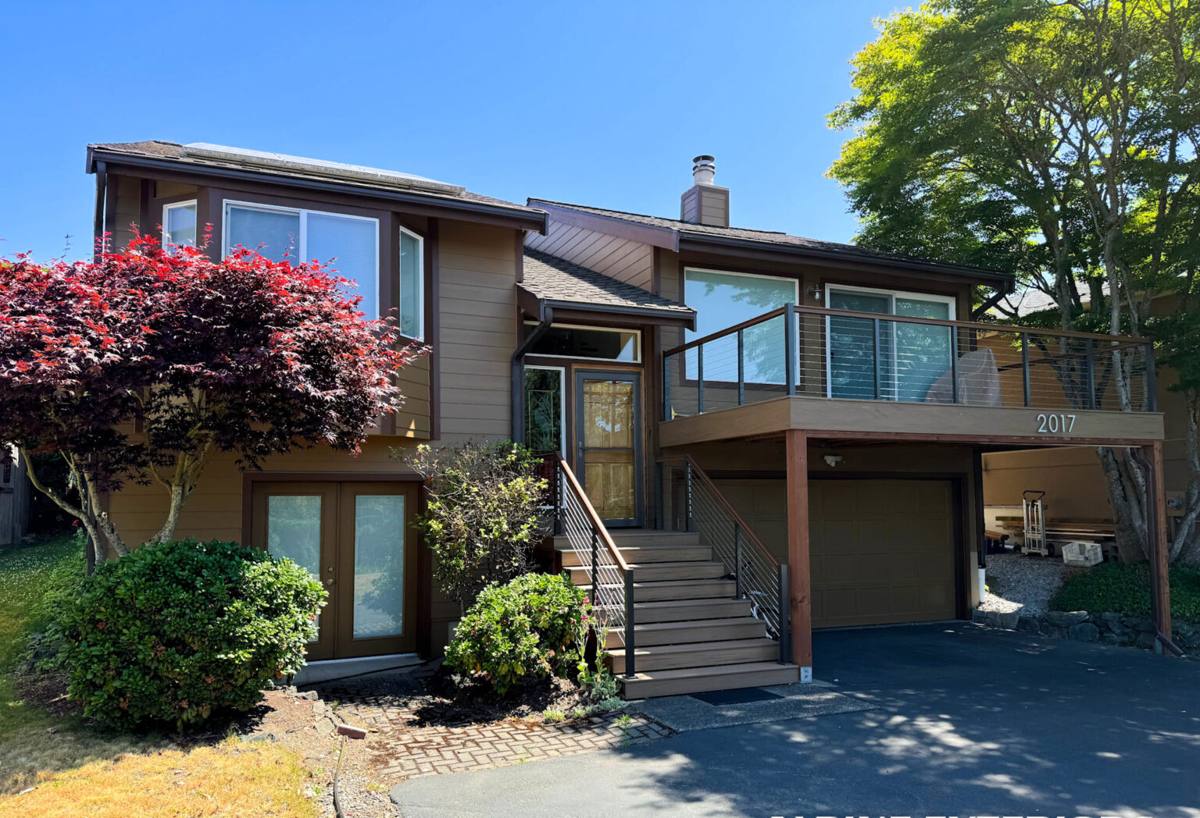
What Salt Air, Rain, and Moss Actually Do to Windows
Each of these three conditions attacks a window differently, and most older or poorly installed windows in this area are dealing with all three at once.
Salt Air
Airborne salt is corrosive to metal hardware — hinges, locks, balances, and screws — long before most homeowners notice a problem. It also accelerates the breakdown of certain sealants and finishes, which is why windows near the water tend to show hardware failure and seal degradation years ahead of the same product installed a few miles inland.
Driving Rain
Wind off the bay doesn't just fall on a window, it pushes into it. Flashing, sill pans, and sealant details that would be adequate in a calmer climate can let water past the frame here. Once water gets behind a window and into the wall framing, the damage is often hidden until it's serious — soft drywall, stained trim, or a musty smell are usually late warning signs, not early ones.
Moss and Sustained Moisture
Long stretches of damp, mild weather are exactly what moss and mildew need to take hold. On windows, that shows up as green or black growth in corners, on sills, and in tracks that stay wet and shaded. Beyond looking bad, sustained moisture buildup slowly breaks down wood components, holds water against frames, and shortens the useful life of weatherstripping and seals.
Signs a Lummi Nation Home's Windows Need Attention
Not every issue means a full replacement, but these are the signals we hear about most often from homeowners in this area, and they're worth taking seriously before they become bigger repairs:
- Fogging or condensation trapped between panes (a failed seal, not a cleaning issue)
- Soft, spongy, or discolored wood at the sill or bottom corners
- Windows that are hard to open, close, or lock, especially after a wet stretch
- Visible moss, algae, or persistent black mildew on frames or tracks
- Noticeable drafts or cold spots near the window on windy days
- Peeling or bubbling paint on interior or exterior trim near the window
- A jump in heating costs without any other explanation
- Rust or corrosion on hardware, hinges, or locks
If you're seeing two or more of these on the same window, it's usually time to have it looked at rather than patched again.
What a Correct Window Replacement Job Involves
The window unit itself only matters if it's installed correctly. In a climate like ours, the installation details matter as much as the product, if not more.
Removal Without Hidden Damage
Old windows come out carefully so we can actually see the condition of the framing underneath. This is often the first time hidden rot or old water intrusion becomes visible, and it needs to be dealt with before a new window ever goes in — sealing a new window over a compromised opening just hides the problem for a few more years.
Flashing and Water Management
Proper flashing directs any water that gets past the exterior surface back out, not into the wall. Given how much wind-driven rain this area sees, we treat flashing detail and sill pan work as non-negotiable, not an upsell.
Sealing That Accounts for Salt Air
We use sealants and finishing methods chosen for durability in a marine-influenced climate, not just whatever is fastest to apply. This is one of the areas where corner-cutting shows up years later as hardware corrosion or seal failure.
Insulation and Air Sealing Around the Frame
The gap between the window frame and the rough opening needs to be insulated and air-sealed properly. Gaps here are a common source of drafts and energy loss even with a high-quality window unit.
Choosing the Right Window for This Climate
There isn't one "best" window for every home, but some materials handle salt air, rain, and moisture better than others. Here's how the common options generally compare for a home in this environment:
| Frame Material | Salt Air & Moisture Resistance | Maintenance Needs | Typical Cost Tier | Good Fit For |
|---|---|---|---|---|
| Vinyl | Good — won't rot or corrode | Low | Lower | Most homes prioritizing value and low upkeep |
| Fiberglass | Very good — stable in temperature swings and moisture | Low | Higher | Homes wanting long-term durability near the water |
| Wood / Wood-Clad | Fair — needs consistent upkeep to prevent moisture damage | High | Higher | Homes prioritizing a traditional wood look, with ongoing maintenance planned |
| Aluminum | Fair — prone to corrosion from salt air over time | Moderate | Lower to moderate | Limited use; generally not our first recommendation this close to the water |
We don't push one material on every homeowner. We'll walk through what your home's exposure looks like — how close it sits to open water, how shaded or damp the site is, and your maintenance preferences — and recommend accordingly.
Glass Considerations
Double-pane, gas-filled glass is the standard for good reason: it balances cost and performance well in our climate. Triple-pane adds insulation value and sound dampening but at a higher cost, and it's usually worth it for homes with north or waterfront exposure to sustained wind, rather than every window on the house.
Our Process, Start to Finish
- Free on-site estimate. We look at each window's condition, check for hidden moisture or framing issues, and talk through what you actually need versus what can wait.
- Honest recommendation. We'll tell you which windows need replacing now, which can be monitored, and what material makes sense for your home's exposure to salt air and rain.
- Clear, written quote. No pressure, no vague numbers — you'll know what's included before you decide anything.
- Scheduled installation. We work efficiently to minimize the time your home is open to the weather, which matters in a climate where a rainy stretch can show up with little warning.
- Inspection and cleanup. Every installed window is checked for proper operation, sealing, and finish before we consider the job done, and the work area is left clean.
Why a Crew That Already Works This Area Matters
Window replacement near Lummi Nation isn't identical to a job in a dry inland neighborhood. A crew that hasn't worked this stretch of Whatcom County may not account for how much wind-driven rain a window needs to shed, how quickly salt air corrodes standard hardware, or how persistent moss and shade can be on a property close to the water.
We're also mindful that homes here can fall under different jurisdictions depending on the specific property — some sit within tribal land, others within county boundaries — and permitting or approval steps can differ accordingly. Knowing to ask the right questions up front saves homeowners time and avoids surprises mid-project.
Beyond logistics, working in this area consistently means we've had the chance to see how different window products and installation methods actually hold up here over years, not just on paper.
Protecting Your Investment After Installation
A correctly installed window in the right material should need very little from you, but a few habits extend its life further in this climate:
- Rinse frames and tracks periodically to clear salt residue, especially on wind-exposed sides of the house
- Keep nearby vegetation trimmed back to reduce shade and trapped moisture that encourages moss
- Clear debris from tracks and weep holes so water can drain as designed
- Address any new condensation, sticking, or drafts promptly rather than waiting
If your windows are showing their age, or you're simply planning ahead for a home in this area, we're glad to take a look. We offer free, no-pressure estimates for window replacement throughout Lummi Nation and the surrounding area — use the form below to get started.