 Ferndale Window
 Exterior Work for Marietta Homes
Marietta sits low and close to the water on the Whatcom County side of Bellingham Bay, just south of Ferndale. It's a different microclimate than homes a few miles inland — more exposure to wind off the water, more salt in the air, and soil that stays damp long after the rest of the county has dried out. We work on homes throughout Marietta and the surrounding shoreline neighborhoods, and we size up every siding, roofing, window, and deck job with that exposure in mind, not a generic "Pacific Northwest" checklist.
This page walks through what the local climate actually does to a house over time, what that means for the materials and installation choices we make, and what to expect if you bring us out for a look.
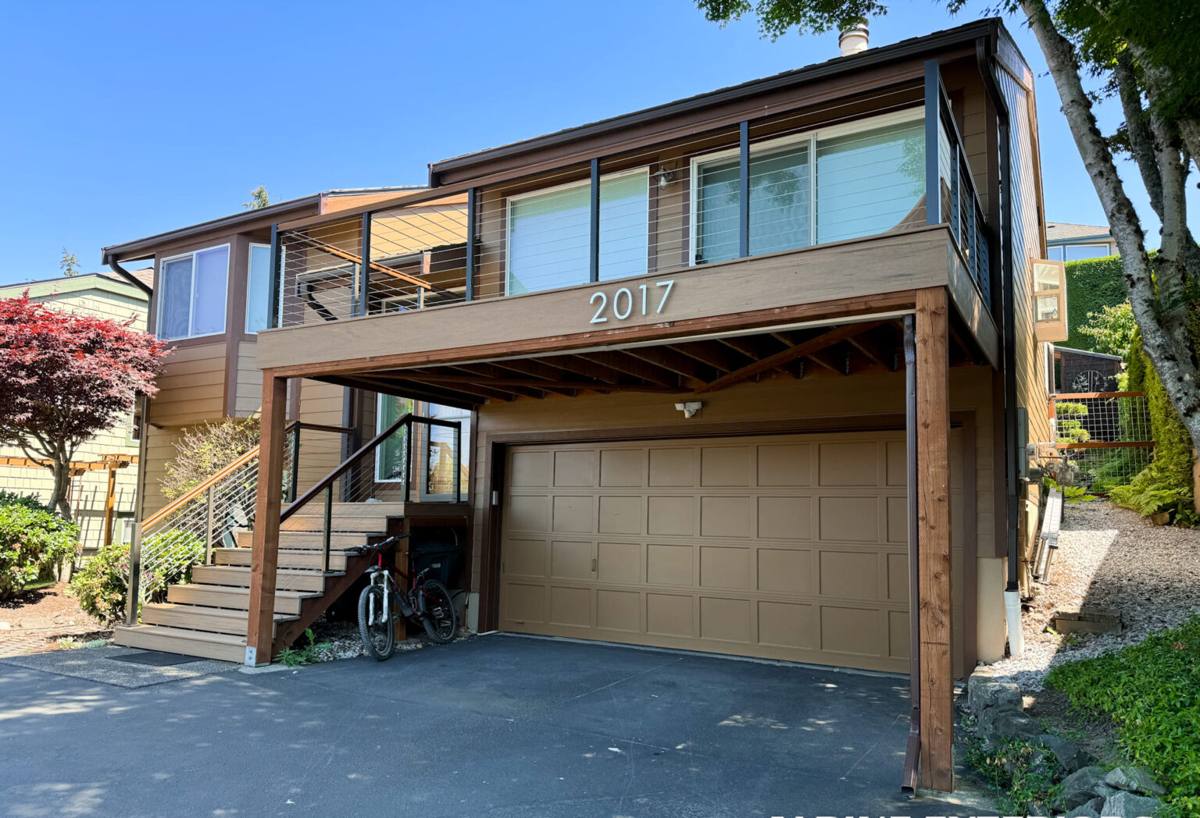
What Marietta's Climate Does to a House
Salt Air and Metal Fatigue
Proximity to Bellingham Bay means a steady low-level dose of salt in the air, especially on windier days. Salt accelerates corrosion on anything metal — fasteners, flashing, gutter hardware, window frames, hinges, and deck ledger connections. It's not dramatic or fast, but over ten or fifteen years it shows up as rust streaks below fastener heads, pitted hardware, and flashing that fails quietly before anyone notices water getting behind it. We pay attention to fastener and flashing material selection on every job here, not just the visible siding or roofing product.
Driving Rain and Water Intrusion
Whatcom County gets a lot of rain, but the rain that matters most for exterior durability is wind-driven rain — the kind that hits siding and window assemblies at an angle instead of falling straight down. Homes in Marietta, being closer to open water, see more of this than homes tucked further inland or behind a windbreak. Driving rain finds every weak lap joint, every under-flashed window, and every gap where two materials meet. Most of the water damage we find on older homes here didn't come from a single storm — it came from years of small amounts of moisture getting behind the exterior skin because a detail wasn't sealed or lapped correctly the first time.
Moss, Shade, and a Long Wet Season
Between the rain and the tree cover common in this part of the county, moss and algae get a long runway to establish themselves — often eight or nine months of the year with enough moisture to keep growing. Moss holds water against roofing and siding surfaces well after a storm has passed, which keeps wood and wood-based products damp far longer than they should be. It also works its way under shingle tabs and into siding laps, prying them apart over time.
Windows: What We Watch For in Marietta
Signs Windows Are Losing the Battle
Salt air and driving rain put extra stress on window seals, weep systems, and frame corners. On a home in this area, we typically see problems show up as:
- Fogging or a hazy film between double-pane glass, meaning the seal has failed
- Soft or discolored trim and sill areas, especially on the side of the house facing the water or prevailing wind
- Windows that stick, won't latch fully, or let in a draft you can feel with your hand
- Visible rust or corrosion on hardware, hinges, or fasteners
- Condensation collecting on the inside of the glass in cooler months
Any one of these can mean the window itself has failed, or it can mean the flashing and sealant around a perfectly good window has failed. Those are different repairs with different costs, which is why we look at the whole assembly — frame, flashing, sill pan, and sealant — before recommending a replacement.
What Actually Matters in Frame and Glass Selection
We don't push a single brand or material as the universal answer, because the right choice depends on the specific wall assembly, sun exposure, and how exposed that particular elevation is to wind and salt. In general terms, for this climate we weigh:
- Frame material behavior in sustained moisture and salt exposure over corrosion resistance alone
- Glazing and gas-fill options that help with both energy performance and condensation control
- Installation detailing — proper flashing, sill pans, and sealant sequencing — which matters more to long-term performance than the window brand itself
- Hardware that will hold up to salt air without seizing or corroding within a few years
A well-installed mid-range window will outperform a premium window installed poorly, every time. That's the trade-off we're most careful about on shoreline-adjacent homes.
Siding That Holds Up Near the Water
Siding on a Marietta home is doing more work than siding a few miles inland. It's managing wind-driven rain, resisting moisture uptake at the bottom courses, and standing up to salt exposure on hardware and trim. We look closely at lap alignment, house-wrap integration, and flashing at every window, door, and penetration, since that's where the vast majority of hidden water damage actually starts — not in the field of the siding itself.
For homes with heavier moss and algae growth from shade or a north-facing exposure, we also talk through maintenance expectations up front, since some materials tolerate a damp, shaded environment better than others over the long run. We'd rather set that expectation honestly before installation than have it be a surprise five years in.
Roofing for a Long Wet Season
Roofs in this area deal with sustained wetness more than intense storms. That changes what matters most: ventilation to let the roof deck dry out between rain events, underlayment that performs well under prolonged moisture exposure, and flashing details at valleys, chimneys, and penetrations that won't let water track sideways under a moss mat. Metal components — flashing, vents, fasteners — get the same salt-air consideration we apply to windows and siding.
Moss removal and gutter maintenance matter more here than in drier parts of the county, simply because there's more time each year for both to build up and cause problems if ignored.
Decks in a Marine Climate
Decks take the climate's abuse directly — sun, standing rain, and salt air all at once, on a horizontal surface that's harder to keep dry than a wall or roof plane. The details that matter most are proper spacing between boards for drainage, ledger flashing that keeps water from tracking into the house framing, and fasteners and hardware rated for the corrosion exposure this area sees. We also pay attention to how a deck is shaded and whether it's prone to holding moss or algae, since a slick deck surface is a real safety issue, not just a cosmetic one.
Material Considerations at a Glance
| Project | Biggest local stressor | What we prioritize |
|---|---|---|
| Windows | Driving rain, seal failure, salt-air hardware corrosion | Flashing and sill pan detailing, corrosion-resistant hardware |
| Siding | Wind-driven rain at laps and penetrations | House-wrap integration, flashing at every opening |
| Roofing | Extended moss season, sustained moisture | Ventilation, underlayment quality, valley and penetration flashing |
| Decks | Standing water, algae buildup, hardware corrosion | Drainage spacing, ledger flashing, corrosion-rated fasteners |
Why a Local Crew Matters Here
A crew that mostly works inland or in drier parts of Whatcom County can still do competent work, but they may not instinctively over-build the flashing details or think twice about fastener material the way a crew that works this shoreline regularly will. We've seen what a house in Marietta looks like after ten years of salt air and driving rain, and that shapes how we detail a job on day one instead of learning it the hard way through a callback. Being local also means we can get back out to a job quickly if something needs a second look, and we're not guessing at how a particular street or lot sits relative to wind exposure and drainage.
What to Expect When You Call Us
We start with a walk-around of the exterior, looking at the specific elevations most exposed to wind and rain, checking for the early signs of moisture intrusion, and asking how long you've noticed any issues. From there we give you a straightforward assessment — what's cosmetic, what's a real problem, and what can reasonably wait. We're not going to recommend replacing a whole system when a repair to the flashing or sealant will solve the actual problem.
A Simple Homeowner Maintenance Checklist
- Clean gutters at least twice a year, more often under trees
- Remove moss from roofing and shaded siding before it spreads under laps or shingle tabs
- Check window sills and lower siding courses each fall for soft spots or discoloration
- Rinse salt residue off deck hardware and railings periodically, especially after storms
- Watch for sticking windows or doors, which can signal frame movement or moisture swelling
- Have flashing and sealant at penetrations inspected every few years, not just when a leak appears
If you're seeing any of these signs on your Marietta home, or you'd just like an honest read on how your windows, siding, roof, or deck are holding up against this climate, we're happy to take a look. Fill out the form below for a free, no-pressure estimate.