 Ferndale Window
 Lummi Nation's Shoreline Setting Changes What Siding Has to Do
Homes in Lummi Nation sit close to open water, which means the siding on them is dealing with a harder job than siding a few miles inland in Ferndale. Salt-laden air moves through fasteners, seams, and trim details every day, not just during storms. Wind-driven rain doesn't just fall straight down here — it gets pushed sideways into wall assemblies, seams, and corner boards. And the tree cover and persistent dampness that come with a Whatcom County winter mean moss and algae get a long runway to take hold on anything that stays damp for more than a day or two.
Board and batten siding can look great on homes in this area — it has a clean, vertical, farmhouse-and-coastal-cottage character that a lot of homeowners here are drawn to. But it's also a style with more seams and more vertical joints than a standard lap siding job, which means there are more places for water to find a way in if it isn't installed correctly. On a shoreline property, that margin for error gets even smaller.
What Board & Batten Siding Actually Is
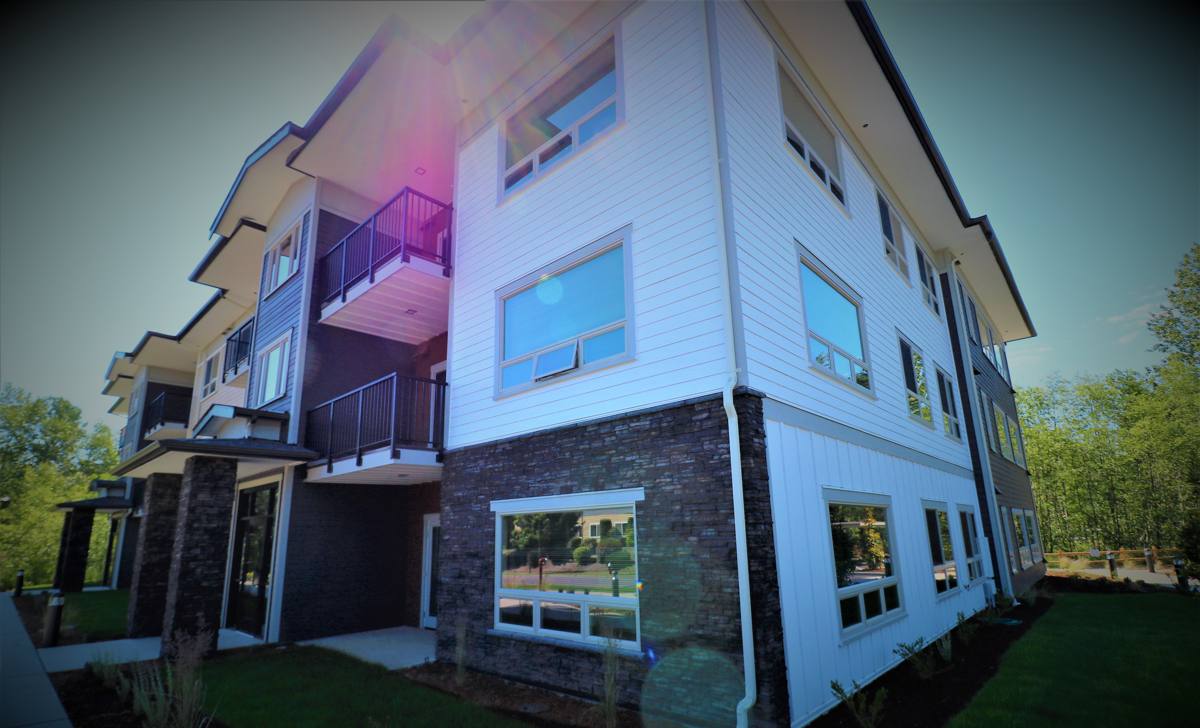
Board and batten is a vertical siding pattern: wide flat panels installed edge to edge, with a narrow strip — the batten — covering each seam. The result is a rhythm of wide-then-narrow vertical lines instead of the horizontal shadow lines of lap siding. It's a traditional style, originally developed as a practical way to cover gaps between wide boards on barns and early homes, and it's seen a strong comeback on modern coastal and farmhouse-style homes.
More Seams Mean More Chances for Water Entry
The look depends on covered vertical seams, and every one of those seams is a potential water path if the assembly behind it isn't right. Unlike lap siding, where water naturally sheds down and off each overlapping course, board and batten relies on the batten itself, the fastening pattern, and the drainage plane behind the panel to keep water out and let any moisture that does get in drain back out and dry.
The Assembly Behind the Look
A correct board and batten wall isn't just panels and battens nailed to the house. It's built in layers: a weather-resistive barrier against the sheathing, a drainage gap (commonly created with vertical furring strips) so water and moisture vapor have somewhere to go, then the panel and batten system fastened through to framing at the right spacing. Skip or shortcut any one of those layers and you get a wall that looks right for a few years and then starts failing from the inside out — usually well before anyone notices from the outside.
Why We Install James Hardie for Board & Batten — Not Vinyl, Not LP, Not Cedar
We only install James Hardie fiber cement siding, including for board and batten projects, and that's a deliberate standard, not a default. Each of the common alternatives has real strengths, but also real trade-offs that show up on a property like this faster than they would somewhere drier and less exposed.
Vinyl Board and Batten
Vinyl board and batten is affordable and low-maintenance in mild conditions, but it's a thin plastic product that expands and contracts with temperature swings, can warp or bow over time, and isn't rated to stop wind-driven rain the way a properly flashed fiber cement assembly is. In a salt air environment, vinyl also tends to fade and chalk faster under UV exposure, and once it fades there's no refinishing it — only replacing it.
LP SmartSide
LP SmartSide is an engineered wood product (strand board with a resin-saturated overlay), and it performs well when installation and caulking are kept up perfectly. Its vulnerability is that it's still wood-based — if moisture gets past a seam, corner, or fastener and stays there, the substrate can swell and deteriorate from the inside, which is a bigger risk on a site that sees this much driving rain and salt moisture.
Cedar and Primed Wood
Real wood board and batten has an appearance a lot of homeowners love, but it demands an ongoing maintenance commitment — refinishing, recaulking, and moisture monitoring — that most people don't want to sign up for indefinitely, especially somewhere with a moss season this long. Left unmaintained even one cycle too long, wood siding in this climate starts to cup, check, or rot at end grain and seams.
Why Hardie Fits This Site
James Hardie fiber cement is non-combustible, doesn't feed mold or rot the way wood-based products can, and holds its factory-applied ColorPlus finish far longer under UV and salt exposure than field-painted or vinyl alternatives. It's also engineered in product lines built around specific climate conditions, which matters on a shoreline property where humidity, salt, and rain are a daily fact of life rather than an occasional event.
What a Correct Board & Batten Installation Involves
Weather-Resistive Barrier and Drainage Plane
Before a single panel goes up, the wall needs a continuous weather-resistive barrier, properly lapped and sealed at every penetration. Behind the panels, a drainage gap — created with vertical furring strips in most board and batten assemblies — lets bulk water and vapor drain and dry instead of sitting trapped against the back of the siding.
Batten Layout and Fastening
Battens need consistent spacing and correct fastener placement so they're doing real structural work at every seam, not just decorative work. Fasteners have to land in framing or furring at the manufacturer's specified pattern — in a salt air environment, using the wrong fastener material is one of the fastest ways to get streaking and premature corrosion at every batten line.
Flashing at Windows, Doors, and Trim
Every window, door, and trim transition on a board and batten wall is a place where the vertical siding pattern has to be interrupted and flashed correctly. Head flashing, kick-out flashing at roof-to-wall intersections, and properly lapped sill pans matter more here than on a lap siding wall, because there are more vertical seams running directly toward those openings.
Caulking and Sealant — Used Correctly, Not Everywhere
Sealant belongs at specific transitions called out by the manufacturer's installation instructions — not as a substitute for correct flashing and lapping. A wall that relies on caulk to do the job flashing should be doing is a wall that will start leaking the moment that caulk ages, shrinks, or is skipped during a future paint job.
Comparing Board & Batten Material Options for This Climate
| Material | Moisture & Moss Resistance | Salt Air Durability | Ongoing Maintenance |
|---|---|---|---|
| James Hardie fiber cement | Doesn't rot or feed mold; factory-sealed edges | Non-combustible, holds factory finish well | Occasional wash; no refinishing on schedule |
| Vinyl | Won't rot, but can trap moisture behind panel | Fades/chalks under UV and salt exposure | Low, but not repairable once faded or warped |
| LP SmartSide | Vulnerable if seams/fasteners fail | Performs adequately if maintained perfectly | Regular caulk and paint inspection required |
| Cedar / primed wood | Prone to cupping, checking, rot at end grain | Needs frequent refinishing near salt air | Highest — repainting and recaulking cycles |
This isn't a claim that the alternatives can't be installed well — it's why, after weighing these trade-offs, we standardized on one product system rather than offering all of them.
Living With Board & Batten Siding in a Salt Air, Moss-Prone Climate
Even a correctly installed board and batten wall benefits from a little seasonal attention, especially this close to the water. A short annual routine goes a long way toward keeping the siding — and the warranty behind it — in good shape.
- Rinse the siding down once or twice a year to clear salt residue, pollen, and organic buildup before it feeds moss or algae
- Keep gutters and downspouts clear so roof runoff isn't sheeting down across batten seams
- Trim back vegetation and tree cover that keeps a wall shaded and damp longer than the rest of the house
- Check caulking at windows, doors, and trim transitions annually and have any cracked or missing sealant replaced promptly
- Use a soft wash approach for moss and algae rather than aggressive pressure washing, which can drive water behind panels and battens
- Walk the exterior after major windstorms to check for loosened trim or battens before small gaps become entry points
Cost Factors for a Lummi Nation Board & Batten Project
Every board and batten project is priced around the specifics of the home, but a few factors tend to move the number more than others on a property in this area:
- Whether existing siding needs to be removed, and what condition the sheathing and weather barrier underneath are in
- The amount of trim, corner detail, and batten spacing the design calls for — more battens means more material and labor
- The number of windows, doors, and roofline intersections that need flashing during install
- Site access and how exposed the property is to wind and weather during the project
- Color and finish selection within the James Hardie ColorPlus lineup
We walk through these factors on-site rather than quoting off a phone call, because the condition of what's already on the wall matters as much as the new siding itself.
Why Hiring a Crew That Already Works Lummi Nation Matters
Board and batten rewards careful, consistent execution — consistent batten spacing, consistent fastening, consistent flashing details — and it punishes shortcuts faster on an exposed, salt-air site than it would somewhere more sheltered. A crew that already works this stretch of Whatcom County has already seen how wind, rain direction, and moss growth actually behave on homes here, not just in a manufacturer's general climate guidance. That familiarity shows up in the small decisions made on install day — how battens get sequenced around a corner, where extra attention goes at a roof-to-wall intersection, which fastener spec actually holds up against years of salt exposure — the decisions that determine whether a board and batten wall is still performing well a decade from now or starting to show problems at every seam.
If you're weighing board and batten siding for a home in Lummi Nation or elsewhere around Ferndale, we're happy to walk the property, look at what's there now, and put together a straightforward, no-pressure estimate using the form below.