 Ferndale Window
 Windows Built for Lummi Nation's Coastal Exposure
Homes in and around Lummi Nation sit closer to open water than almost anywhere else in Whatcom County we work. That proximity to Bellingham Bay and the Strait of Georgia is part of what makes the area beautiful, and it's also exactly what wears out windows faster than in town. Salt-laden air corrodes hardware, driving rain off the water finds every weak seal, and the long, damp moss season keeps wood and vinyl surfaces wet for months at a time. Energy-efficient windows here have to do two jobs at once: cut heat loss and stand up to a coastal climate that is genuinely harder on building materials than most manufacturers' standard warranty language assumes.
We install and service windows for homeowners throughout the Lummi Nation area as part of our regular Ferndale route. That matters more than it might sound like — a crew that's already out this way regularly sees how specific products perform in this exact exposure over years, not just at install day.
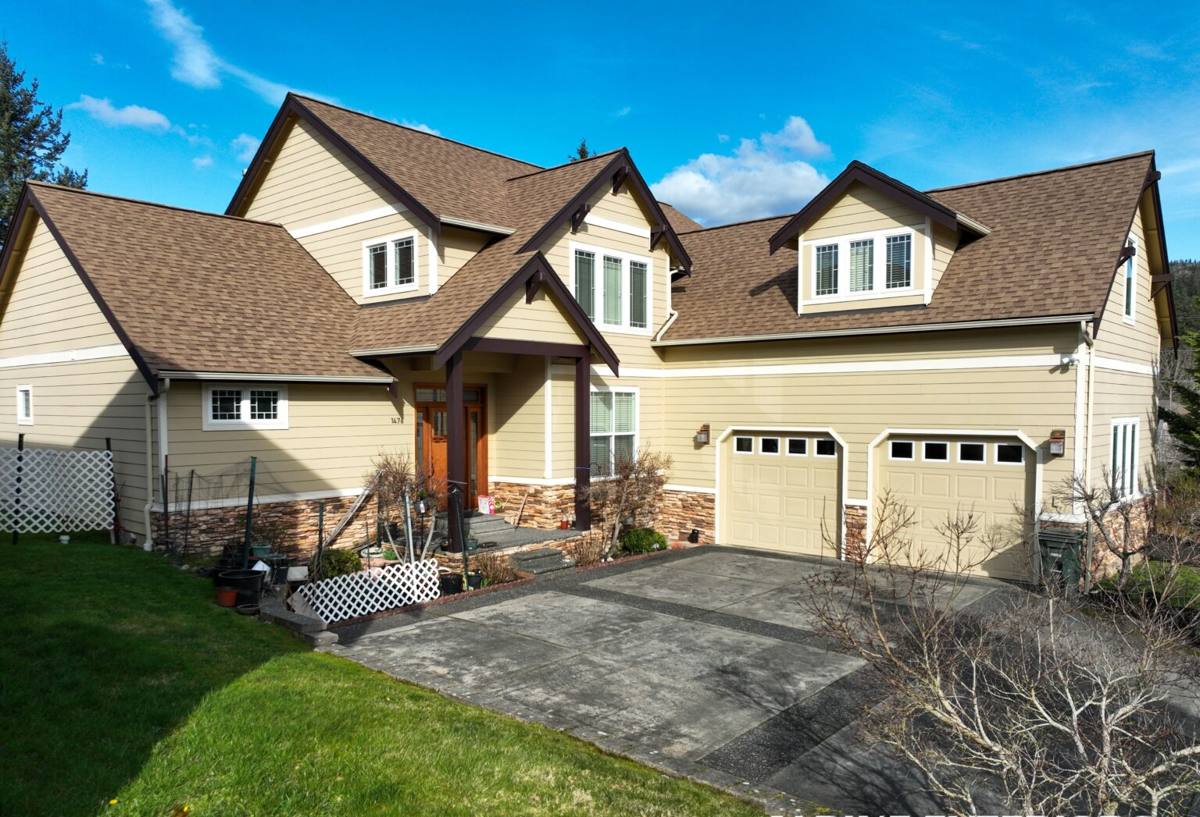
What the Salt Air and Rain Actually Do to a Window
Corrosion at the Hardware
Cranks, hinges, locks, and balance mechanisms are usually the first parts to fail on a coastal window. Cheaper hardware finishes pit and seize up within a handful of years when they're exposed to salt-carrying wind off the water. Once hardware binds, homeowners force it, and that's when frames and sash crack.
Water Intrusion Under Wind-Driven Rain
Ferndale doesn't get hurricane-force wind, but the combination of steady onshore breeze and heavy winter rain pushes water sideways against a home's exterior far more than most inland Whatcom County properties experience. A window that's rated for still-air rain resistance but installed with marginal flashing will leak here even though it never leaked in a lab test or in a subdivision fifteen miles inland.
Moss, Algae, and Trapped Moisture
The region's long wet season keeps north- and west-facing walls damp for weeks at a stretch. Moss and algae aren't just cosmetic — where they grow across a sill or up against a frame, they hold moisture against the surface long after the rain stops. On wood-clad windows this accelerates rot at the corners and sill; on any window, it can mask early signs of a failing seal until the damage is well underway.
What "Energy-Efficient" Should Actually Mean in This Location
Energy efficiency and weather durability aren't separate problems here — they're the same problem. A window that lets in air also lets in moisture, and a window that loses its seal loses both its R-value and its weather resistance at the same time. When we spec windows for a Lummi Nation home, we're weighing three things together, not just glass performance in isolation.
| Factor | Why It Matters Here | What We Look For |
|---|---|---|
| Glass package (Low-E, gas fill) | Reduces heat loss through Whatcom County's long heating season | Low-E coating suited to our mostly-cloudy climate, argon or krypton fill, warm-edge spacer |
| Frame material | Salt air and constant moisture accelerate wear on the wrong material | Corrosion-resistant hardware, frame materials that don't rely on paint or finish alone for protection |
| Weatherstripping & seals | First line of defense against wind-driven rain off the bay | Compression seals rated for sustained wind-driven rain, not just static water tests |
| Installation flashing | Most coastal leaks are installation failures, not product failures | Proper pan flashing, correct lap sequencing, sealed to the home's water-resistive barrier |
| U-factor / air leakage rating | Directly affects heating bills through our long wet winters | NFRC-labeled U-factor and air infiltration numbers appropriate for the exposure |
What a Correct Installation Involves
Most window failures we get called out to fix on coastal properties trace back to installation, not the window itself. The product can be rated correctly and still leak or underperform if it goes in wrong. On a Lummi Nation job, our process includes:
- Removing the old window and inspecting the rough opening for existing rot, soft framing, or prior water damage before anything new goes in
- Installing sill pan flashing so any water that does get past the window sheds outward, not into the wall cavity
- Sequencing flashing tape and building paper in proper shingle-lap order so water always drains down and out
- Setting the window plumb, level, and square, then shimming correctly so the frame isn't under stress that will fatigue seals over time
- Sealing and insulating the gap between frame and rough opening with a product that stays flexible rather than one that hardens and cracks
- Confirming exterior trim and caulking are detailed to shed water away from the window, not toward it
- Testing operation — locks, cranks, and sashes — before we consider the job done
Skipping any one of these steps is how a brand-new, well-rated window ends up with a rotten sill or a moldy jamb five years later. It's also usually invisible from inside the house until the damage is significant.
Repair, Replace, or Leave It Alone?
Not every window on a Lummi Nation home needs to be replaced right away, and we'd rather tell you that up front than sell a job that isn't needed yet. What we look at when deciding:
Signs a Window Can Often Be Repaired
Stiff or corroded hardware, minor drafts around an otherwise sound frame, and failed weatherstripping are frequently fixable without full replacement — especially on a window that's still square and dry inside the wall cavity.
Signs It's Time to Replace
Fogging between panes means the seal is gone and the insulating gas is too — that's not repairable. Soft wood at the sill or jamb, visible rot, or a frame that's out of square from long-term moisture exposure are also replacement situations, since repairing around active rot just delays a bigger repair later.
Why Local Experience With This Exact Exposure Matters
A window contractor who mostly works inland properties will spec and install to a standard that's genuinely fine for most of Whatcom County — and genuinely insufficient a few miles closer to the water. The difference isn't dramatic on install day. It shows up in year three or four, when hardware that was rated "residential grade" starts seizing, or when a sill that wasn't flashed quite right starts staining from the inside.
We work Lummi Nation regularly as part of our normal Ferndale-area service area, which means we're not guessing at how a given product or installation detail holds up in this exposure — we're going back to check it. That's the practical value of hiring a crew that already knows this specific stretch of coastline, rather than a contractor who treats it the same as any other job on the schedule.
Maintenance That Extends Window Life Here
Energy-efficient windows are a long-term investment, and coastal exposure means they need a bit more upkeep than the same product would in a drier, more sheltered location. A few habits go a long way:
- Rinse salt residue off exterior glass and frames periodically, especially after windy weather off the water
- Clean moss and algae off sills and lower frame sections before it builds up and holds moisture against the surface
- Lubricate hardware — locks, cranks, hinges — on a regular schedule rather than waiting until it binds
- Check exterior caulking annually and re-seal any cracked or shrunken joints before winter rains set in
- Watch for condensation between panes, which signals a failed seal even if the window still looks fine
Cost Factors Specific to This Area
Pricing for energy-efficient window replacement depends on window count, size, frame material, and the condition of the existing rough openings — those fundamentals are the same everywhere. What tends to shift cost specifically for coastal Lummi Nation properties is the amount of hidden repair work uncovered once an old window comes out: rot at the sill or jamb from years of moisture exposure is more common here than on a comparable inland home, and that repair, when needed, gets addressed before the new window goes in rather than papered over. We'll always show you what we find and what it costs before proceeding, not after.
If you're weighing whether your windows need attention or just want a straight answer about what's actually going on with them, we're happy to take a look. We offer a free, no-pressure estimate for Lummi Nation homeowners — no obligation, just an honest read on what your windows need and what it would take to fix it.