 Ferndale Window
 Roofing for a Peninsula Climate
Homes on and around the Lummi Peninsula sit closer to open water than almost anywhere else in Whatcom County. That location is part of what makes the area beautiful, and it's also what makes roofs here wear differently than roofs ten miles inland in Ferndale or Bellingham. Salt-laden air off Bellingham Bay and the Strait of Georgia, wind-driven rain that comes in sideways during winter storms, and a long, damp moss season that runs from fall through spring all put extra stress on roofing materials. A roof repair here isn't just about patching a leak — it's about understanding why that leak started in the first place.
We work on homes throughout the Lummi Nation area regularly, and the repairs we see tend to follow a pattern that's different from what we run into on drier, more sheltered lots elsewhere in the county. This page covers what that pattern looks like, what a correct repair actually involves, and how our process works from the first call to the final walk-through.
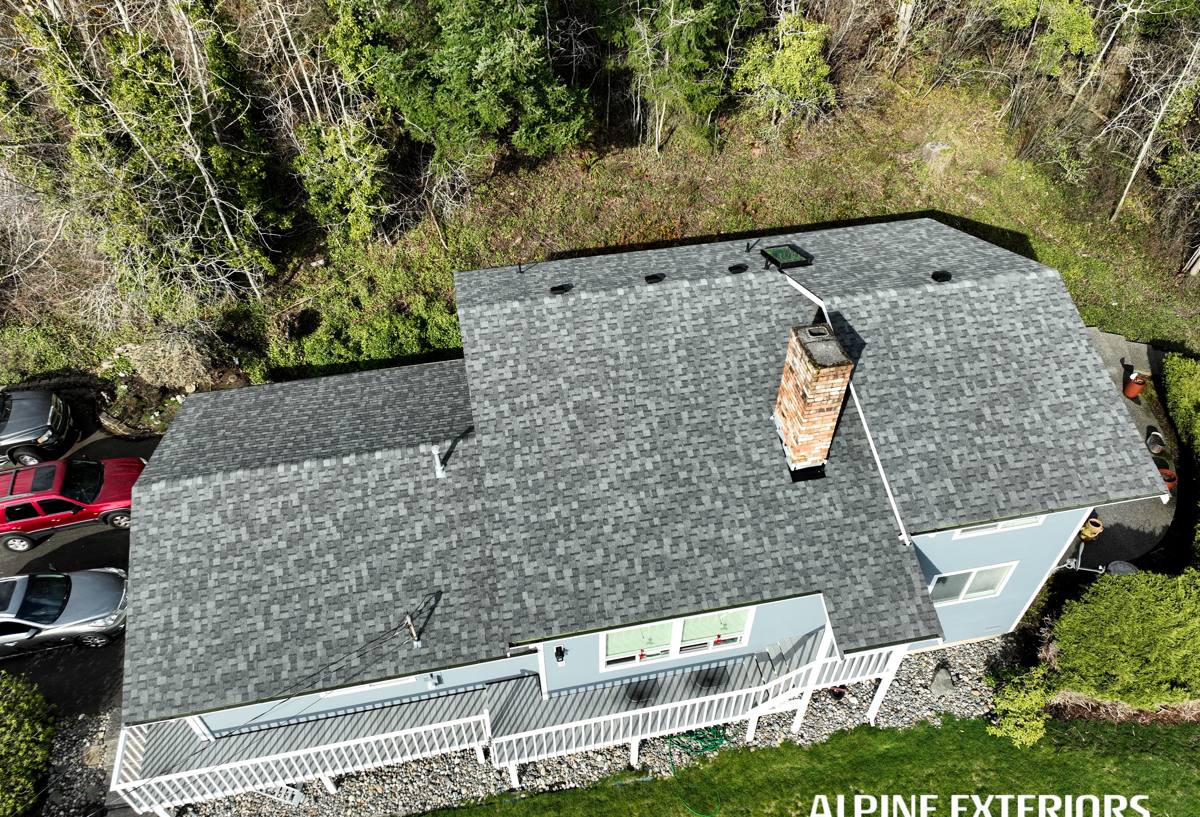
Signs a Lummi Nation Roof Needs Attention
Because of the constant moisture cycle out here, small problems tend to hide in plain sight longer than they would in a drier climate. Moss can mask a lifted shingle. A stain on an interior ceiling might be weeks or months behind the actual leak. Here's what we tell homeowners to watch for between inspections:
- Moss or dark streaking concentrated on the north or shaded slopes of the roof
- Granules collecting in gutters or at the base of downspouts
- Shingles that look cupped, curled, or lifted at the edges, especially after a windstorm
- Rust staining around metal flashing, vents, or fasteners
- Soft or spongy spots when walking the roof deck (a sign moisture has reached the sheathing)
- Water stains, discoloration, or a musty smell in the attic or top-floor ceilings
- Daylight visible through the roof deck from inside the attic
- Gutters overflowing during heavy rain even when they aren't visibly clogged
Any one of these on its own might not mean a full repair is needed. Two or three together, especially after a hard winter, usually mean it's worth having someone look before the next storm cycle.
What Salt Air and Moss Actually Do to a Roof
Salt Air and Corrosion
Airborne salt accelerates corrosion on anything metal — roofing nails, flashing, vent boots, gutter hardware, and the fastener heads on metal roofing itself. A fastener that would last decades in an inland neighborhood can start showing rust streaks in a fraction of that time on a waterfront-facing slope. Once a fastener corrodes, it loses grip, and that's often where a "mystery leak" actually starts: not a hole in the shingle field, but a failed nail or screw at a penetration point.
Moss, Shade, and Trapped Moisture
Wooded lots and tree cover are common throughout the Lummi Nation area, and shade plus year-round moisture is exactly what moss needs to establish itself. Moss does more than look bad. Its root structure holds water against the roofing surface long after the rest of the roof has dried, and as it spreads it can lift shingle edges just enough to let wind-driven rain work its way underneath. On cedar shake roofs, trapped moisture under moss growth is one of the more common causes of premature rot we're called out to address.
Driving Rain and Wind Exposure
Open exposure toward the water means wind-driven rain doesn't just fall on a roof, it gets pushed into it — up under shingle tabs, around chimney flashing, and through any gap at a roof-to-wall transition. Flashing details that would hold up fine in a sheltered yard need to be tighter and better sealed out here, particularly at valleys, skylights, and chimneys.
Common Repairs We Handle in This Area
Most of the roof repair calls we get from the Lummi Nation area fall into a handful of categories:
Flashing and Penetration Repair
Re-sealing or replacing corroded flashing around chimneys, plumbing vents, and skylights. This is frequently the actual source of a leak that homeowners assumed was a shingle problem.
Moss Removal and Shingle Restoration
Careful moss and debris removal followed by repair or replacement of any shingles that were lifted or damaged underneath it. Pressure washing a mossy roof the wrong way can do more damage than the moss itself, so this is a gentler, more deliberate process.
Wind and Storm Damage
Replacing shingles or shakes torn loose or lifted during winter windstorms, along with checking the surrounding field for wind-lifted tabs that haven't fully separated yet but will if left alone.
Gutter and Drainage Corrections
A roof can be in decent shape and still leak if water isn't being carried away from it correctly. We often find that gutter or drip-edge issues are contributing to a leak that looks, at first glance, like a roofing problem.
Repair or Replace? What We Actually Look At
Not every roof problem out here needs a full replacement, and we don't push one unless the numbers genuinely support it. The table below covers the main factors we weigh when giving an honest recommendation.
| Factor | Leans Toward Repair | Leans Toward Replacement |
|---|---|---|
| Roof age | Under 15–20 years, depending on material | Near or past expected material lifespan |
| Extent of damage | Localized to one slope, valley, or penetration | Widespread across multiple slopes |
| Deck condition | Solid sheathing, no soft spots | Rot or soft decking found in multiple areas |
| Moss/moisture history | First or infrequent occurrence | Chronic moss return despite treatment |
| Number of past repairs | First or second repair on the roof | Long history of patch repairs in different spots |
We'll walk you through exactly which of these apply to your roof and why, in plain terms, before recommending either path.
Our Roof Repair Process
1. On-Site Inspection
We get on the roof (not just a look from the ground) and check the shingle or shake field, all flashing points, the gutter system, and, where accessible, the attic from the inside. We're looking for the actual source of the problem, not just the visible symptom.
2. Straight Explanation and Written Estimate
You get a clear explanation of what we found, what's causing it, and what it will take to fix it correctly — along with a written estimate before any work starts. No pressure to upgrade to a full replacement if a targeted repair will genuinely hold.
3. The Repair Itself
Work is done with materials and fasteners suited to this coastal environment, matched as closely as possible to your existing roofing so the repair blends in rather than standing out as an obvious patch.
4. Cleanup and Walk-Through
We clear debris, old materials, and moss removal waste from the property, then walk the completed repair with you so you know exactly what was done.
Why Local Experience in This Area Matters
A crew that mostly works dry, inland neighborhoods can still do competent general roofing work, but they may not immediately recognize how differently a roof ages when it's facing open water full-time. We work in the Lummi Nation area often enough to know which slopes tend to hold moss longest, which flashing details need extra attention in this wind exposure, and what a genuinely storm-related repair looks like versus one that's been building for years.
We also understand that access and scheduling on tribal land can occasionally involve considerations that don't come up on a typical in-town lot. We coordinate directly with homeowners to keep that part simple, so it doesn't add friction to getting a straightforward repair done.
Keeping a Repaired Roof in Good Shape
A good repair buys you time, but a little upkeep between visits keeps you from repeating the same repair every couple of years. A few habits that make a real difference in this climate:
- Keep overhanging branches trimmed back to reduce shade and debris buildup
- Clean gutters at least twice a year, more often if the property has heavy tree cover
- Address moss early, before it has a chance to lift shingle edges
- Have flashing and penetrations checked after any severe windstorm
- Don't ignore small interior stains — they're almost always easier to trace and fix early
If your roof is showing any of the signs covered above, or you'd just like an honest opinion on its condition, we're glad to take a look. Use the form below to request a free, no-pressure estimate and we'll get back to you to schedule a time that works.