 Ferndale Window
 Windows Built for Lummi Nation's Marine Exposure
Homes in and around Lummi Nation sit right where Whatcom County meets the Salish Sea, wrapped by Bellingham Bay on one side and Lummi Bay on the other. That location has real advantages, but it also means windows here take a beating that inland Ferndale properties simply don't see. Salt-laden marine air, wind-driven rain, and a moss season that can stretch from fall through spring all work against window seals, frames, and finishes year-round. A window that's correctly chosen and correctly installed can handle that exposure for decades. One that isn't will show problems in a fraction of that time — fogged glass, soft trim, drafts, and frames that never quite look clean no matter how often they're washed.
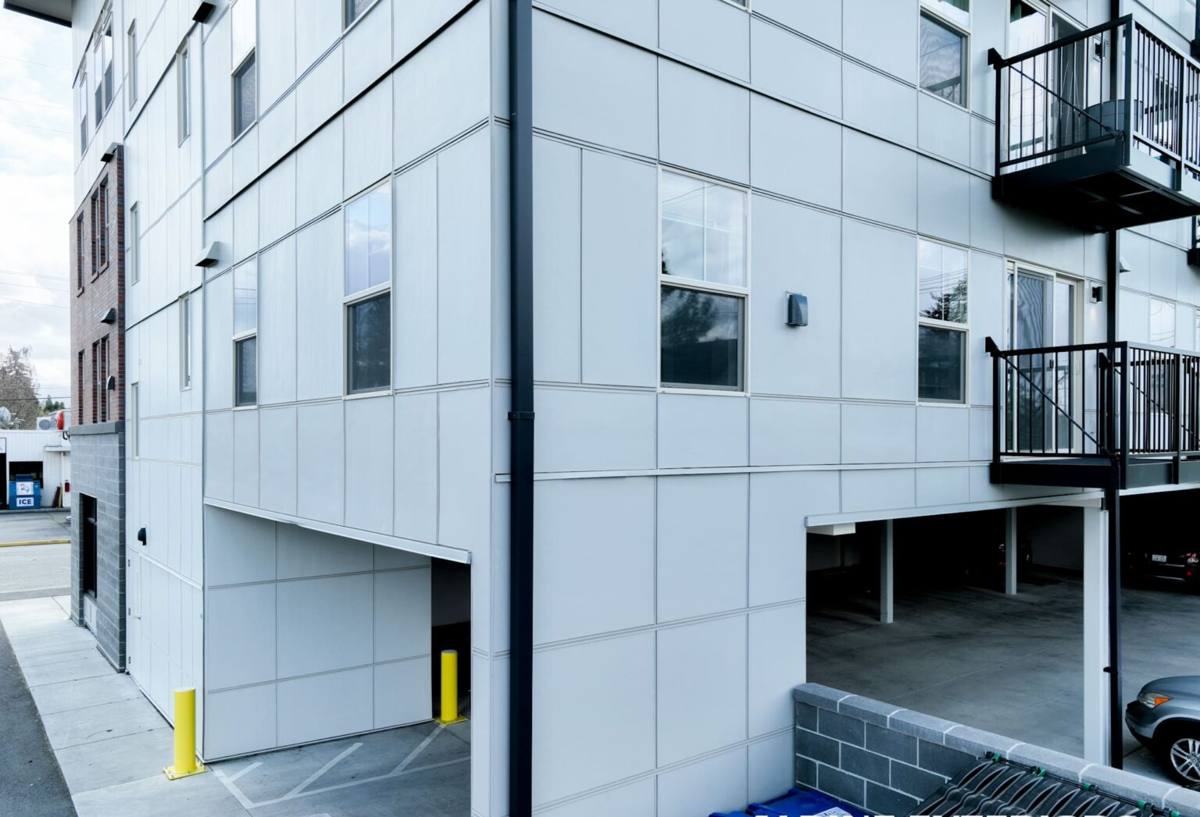
How Salt Air, Rain, and Moss Wear Down Windows Here
Salt-Laden Air
Airborne salt from the bay settles on everything, including window hardware, screens, and exterior trim. Over time it accelerates corrosion on lower-quality fasteners and hinges, and it can dull or pit finishes that aren't rated for coastal use. This is one reason material and hardware choice matter more here than they do a few miles inland — a window built for a subdivision on the other side of I-5 isn't necessarily built for this exposure.
Driving Rain and Wind-Driven Water
Storms coming off the water tend to push rain sideways into a home's exterior rather than letting it fall straight down and drain away. That kind of wind-driven rain finds every weak point in a window's flashing and sealant. A window that would be perfectly fine in a sheltered, inland yard can leak here if it wasn't installed with that wind exposure in mind, even if the window unit itself is high quality.
Moss and Algae Season
Whatcom County's long, wet winters keep north-facing and shaded window surfaces damp for weeks at a time, which is exactly what moss and algae need to take hold. Once growth establishes itself in a sill or a corner joint, it holds moisture against the frame and slowly breaks down caulking, wood, and even some composite materials. It also tends to come back season after season once it has a foothold, which is why sill design and drainage matter as much as the glass.
Signs Your Windows Are Due for Replacement
Coastal exposure tends to show up as a specific set of symptoms, and they usually appear earlier here than they would on a similar home further from the water. If you're seeing more than one or two of these, it's worth having the windows looked at before small issues turn into structural repairs.
- Fogging or a milky haze between panes, which means the seal on a double-pane unit has failed
- Soft, spongy, or discolored trim and sill material, especially on north- or west-facing walls
- Visible moss or dark staining building up in corners or along the bottom of the frame
- Noticeable drafts or a cold spot near the window even when it's fully closed and locked
- Hardware — locks, cranks, hinges — that's stiff, corroded, or has stopped working smoothly
- Paint or finish that's peeling or bubbling on the interior frame, often a sign of trapped moisture
- Rising heating bills without any other obvious cause
What a Correct Window Installation Involves
Flashing and Water Management
The single biggest factor in whether a window leaks in a place like this is how the flashing is detailed — not the window itself. Proper installation means integrating the window's flashing with the home's weather-resistive barrier so water is directed out and down, never behind the siding. Skipping or shortcutting this step is the most common cause of hidden rot we find behind older windows in wind-exposed homes, and it's rarely visible from the outside until the damage is already significant.
Sealing and Insulation
Once the window is set and flashed, the gap between the window frame and the rough opening needs to be sealed and insulated correctly — not just caulked on the outside and called finished. A gap that's packed too tight or left with voids will either restrict the window's ability to move with temperature changes or let air and moisture through where you can't see it. The exterior sealant also has to be a product rated for the movement and UV exposure this side of the county actually sees.
Fit and Structural Attachment
The window has to be shimmed level, plumb, and square before it's ever fastened, and it needs to be attached according to the manufacturer's fastening schedule to hold up to wind loads off the bay. A window that's slightly out of square will bind, won't seal against its own weatherstripping properly, and will wear out its hardware faster than one that was set correctly the first time.
Glass and Energy Performance
Double-pane windows with a quality low-E coating are the standard for most homes here and perform well against both heat loss and condensation. Triple-pane glass adds meaningful value on walls that take the worst of the wind and rain, or in rooms where condensation has been a recurring problem, but it's not a blanket requirement for every opening. We'll walk through which rooms actually benefit from the upgrade rather than defaulting to the most expensive option everywhere.
Choosing Window Materials and What They Cost
Material Comparison
There's no single "best" window material for every home — it depends on your budget, your home's style, and how much upkeep you're willing to take on. Here's how the common options stack up specifically for salt air and driving rain exposure.
| Material | Coastal / Salt Air Performance | Maintenance | Typical Cost Tier |
|---|---|---|---|
| Vinyl | Won't corrode or rust; performs well in salt air | Low — occasional cleaning | Lower |
| Fiberglass | Very stable in moisture and temperature swings; strong coastal option | Low | Mid to higher |
| Aluminum | Strong and low-maintenance, but needs a marine-grade finish to resist corrosion long-term | Low to moderate | Mid |
| Wood / Wood-Clad | Attractive but the most vulnerable to moisture and rot without diligent upkeep | High — regular finish maintenance required | Higher |
For most homes in this area we lean toward vinyl or fiberglass because they hold up to salt air and moisture without asking the homeowner to keep up with painting or refinishing. Wood-clad windows can still be the right call for a specific look or a historic home, but it's an honest trade-off — that appearance comes with a real, ongoing maintenance commitment in this climate.
What Affects the Price
Costs vary widely from home to home, so we'd rather explain what drives the number than quote a figure that doesn't apply to your project. The main factors are the number of openings being replaced, how accessible they are (a second-story window over a slope costs more to stage than a ground-floor one), whether we find hidden rot or water damage once the old window comes out, and the glass and material package you choose. A full-house replacement also typically costs less per window than doing a few openings at a time, since setup and cleanup are shared across the job.
Our Installation Process
- On-site assessment of your existing windows, framing condition, and any signs of moisture damage
- A straightforward walkthrough of material and glass options that fit your home and your budget
- Careful removal of the old window and inspection of the rough opening and sheathing underneath
- Repair of any hidden rot or water damage found before the new window ever goes in
- Installation with proper flashing, sealing, and fastening for wind and rain exposure off the bay
- Final check of operation, weatherstripping, and exterior finish work around the new window
We don't install over a problem and hope it holds. If we open up a wall and find soft sheathing or old water damage, we tell you before we go further — not after the new window is already in and the issue is hidden again.
New Construction, Retrofit, and Working on Tribal Land
Some window jobs in this area are full replacements on existing homes; others are new construction or additions. The approach differs. New construction gives us a clean rough opening to flash and seal from scratch, with no old damage to work around. A retrofit or replacement means working around existing siding, trim, and whatever condition the original installation left behind — which is where the inspection step in our process really matters, since it's often the only chance to catch a problem before it's closed back up.
For properties within Lummi Nation, permitting and approval can follow a different process than a typical Whatcom County or City of Ferndale project, since tribal land is generally subject to Lummi Nation's own jurisdiction rather than county building authority. We work with homeowners to confirm what's required for their specific property before scheduling work, rather than assuming county rules automatically apply. If you're not sure which process applies to your home, that's a conversation worth having before any materials are ordered.
Why a Crew That Already Works This Area Matters
A contractor who mostly works sheltered, inland neighborhoods and only occasionally comes out toward the water can miss the details that matter here — the extra attention flashing needs on a wind-exposed wall, or how much faster moss establishes itself on a shaded north face this close to the bay. We work Ferndale and the surrounding Lummi Nation area regularly enough to know which walls on a coastal home take the worst of the weather and to install accordingly, not just to a generic standard that assumes calmer conditions. That familiarity also means fewer surprises for you — we've generally already seen the kind of wear this exposure causes and know what to check for before we ever pull the old window out.
Caring for Your New Windows Year-Round
A correctly installed window in the right material will need far less attention than an older or poorly fitted one, but a little seasonal care goes a long way in this climate.
- Rinse salt residue and grime off glass and frames a few times a year, more often on bay-facing walls
- Clear moss or debris from sills and tracks before it has a chance to hold moisture against the frame
- Check and lightly lubricate hardware annually so locks and cranks don't seize up from corrosion
- Inspect exterior caulking each fall and touch it up before the wet season sets in
- Watch for condensation between panes, which signals a seal failure worth addressing early
If your windows are showing their age or you're planning a new addition, we're happy to take a look and put together a free, no-pressure estimate — just fill out the form below.