 Ferndale Window
 New Roof Installation Built for Nooksack's Weather
A new roof is one of the biggest investments a homeowner in the Nooksack area will make, and it's not a project where cutting corners pays off. Between the driving rain that rolls in off the water, the salt-tinged air that works its way inland through Whatcom County, and a moss season that can stretch across most of the year, roofs here are under more stress than roofs in drier parts of the country. A correct installation accounts for all of that from the first day of tear-off, not just from the shingle color the homeowner picks.
This page covers what a proper new roof installation looks like specifically for homes in and around Nooksack — the materials that hold up here, the details that get skipped by crews unfamiliar with this climate, and what our process actually involves from estimate to final inspection.
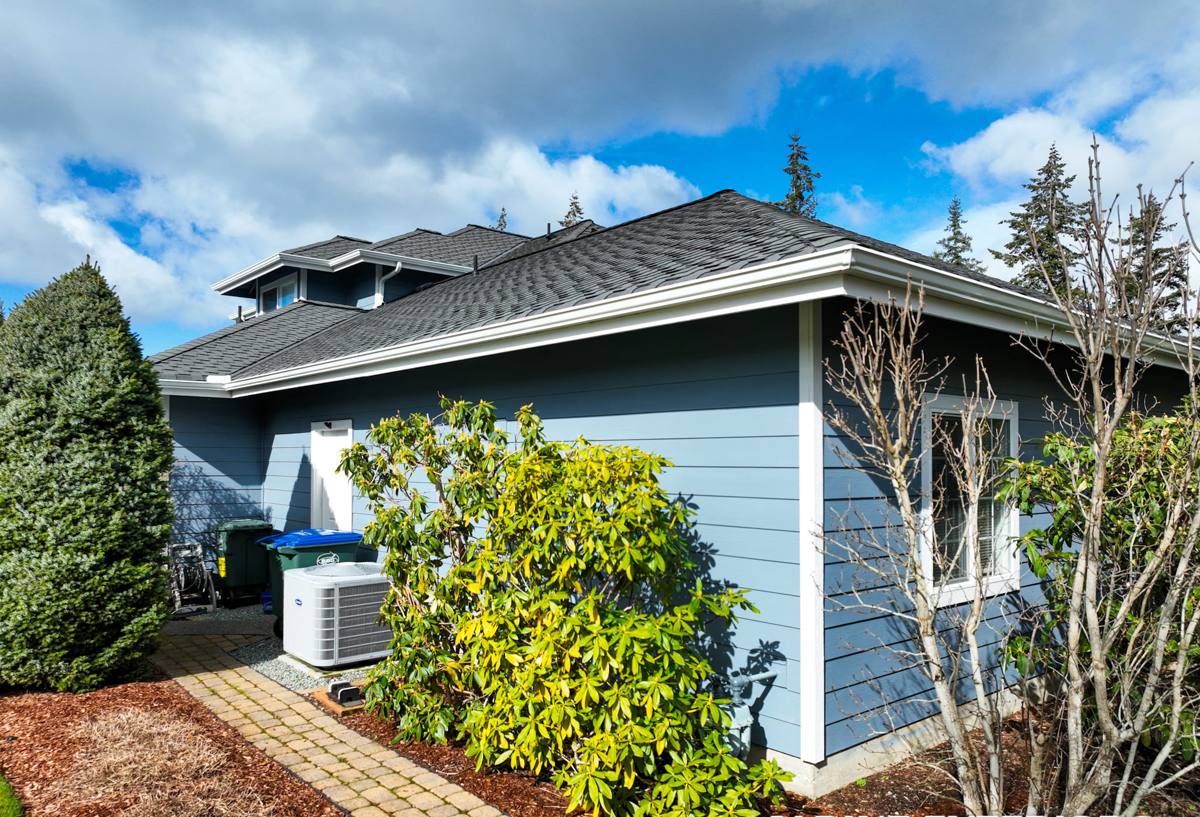
What Local Weather Does to a Roof Over Time
Driving Rain
Whatcom County doesn't just get a lot of rain — it gets a lot of wind-driven rain, which behaves differently than a straight downpour. Wind pushes water sideways and upward under shingle edges, around vents, and along flashing seams that would stay dry in a calmer climate. A roof that's only built to shed water straight down will eventually leak at these pressure points, usually years before the shingles themselves are worn out.
Salt Air
Nooksack sits inland from the coast, but Whatcom County as a whole still gets salt-laden air moving through on a regular basis, especially with the prevailing westerly winds. Salt exposure accelerates corrosion on exposed metal — nails, flashing, vent stacks, and gutter hardware — which is why the fastener and flashing choices on a new roof matter as much as the shingle itself.
Moss Season
Between the shade from mature trees common on Nooksack-area lots and a wet season that runs long, moss has a lot of time to establish itself on north-facing and shaded roof slopes. Moss isn't just cosmetic — it holds moisture against the roof surface, lifts shingle edges as it grows, and shortens the life of the roofing material underneath it.
What a Correct Roof Installation Actually Includes
A new roof is more than laying shingles over the old ones. Every layer underneath the visible surface is what determines whether the roof performs for its full expected lifespan in this climate. A complete installation includes:
- Full tear-off to bare decking — not a layover — so hidden rot, soft spots, or prior water damage can be found and fixed before anything new goes down
- Decking inspection and replacement of any damaged or delaminated sheathing
- Ice and water shield along eaves, valleys, and around penetrations where wind-driven rain is most likely to find a way in
- Synthetic underlayment across the full roof deck for a consistent water barrier
- Corrosion-resistant flashing at every roof-to-wall transition, chimney, skylight, and vent
- Balanced intake and exhaust ventilation to control moisture buildup in the attic
- Proper nailing pattern and fastener spacing to meet the manufacturer's wind-rating requirements
- A final walk-through covering the completed work, warranty paperwork, and maintenance basics
Skipping any one of these steps doesn't usually show up as a problem right away — it shows up two, five, or ten years later as a leak, a shortened shingle life, or moss taking hold faster than it should.
Choosing a Roofing Material for This Climate
There's no single "best" roofing material for every home — the right choice depends on the roof's pitch, how much shade it gets, the home's structure, and the homeowner's budget and maintenance preferences. Here's how the common options compare for a Nooksack-area home:
| Material | How It Handles This Climate | Maintenance | Typical Lifespan |
|---|---|---|---|
| Architectural asphalt shingle | Good rain and wind performance when installed with proper underlayment and flashing; algae-resistant granule options help slow moss and moss-adjacent staining | Periodic moss and debris removal, especially on shaded slopes | 25–30 years |
| Standard 3-tab asphalt shingle | Lower wind rating and thinner profile than architectural shingles; more prone to edge lift in driving rain over time | Similar upkeep, shorter margin before problems show | 15–20 years |
| Metal roofing (standing seam) | Sheds wind-driven rain efficiently and resists moss better due to its smooth surface, but requires marine-grade or coated fasteners to manage salt air exposure | Low; occasional fastener and seam checks | 40–50+ years |
| Wood shake | Attractive but holds moisture longest of any common option, making it the highest-risk choice for moss and rot in a long wet season | High; regular treatment and inspection needed | 20–30 years, often less with heavy shade |
For most Nooksack homes, a mid-to-upper-grade architectural asphalt shingle with algae-resistant granules hits the right balance of upfront cost, appearance, and performance against local conditions. Metal is worth serious consideration on steep, shaded roofs where moss has been a recurring problem, or for homeowners planning to stay long-term and wanting to minimize future re-roofing.
Ventilation and Moss Prevention Aren't Optional Extras
A roof deck that can't breathe traps moisture underneath the shingles, which speeds up decking rot and gives moss and algae an easier foothold from below as well as above. Balanced ventilation — enough intake at the eaves and exhaust near the ridge — keeps the attic and roof deck closer to outdoor temperature and humidity, which matters in a climate where the roof rarely gets a long dry stretch to fully shed moisture on its own.
On new installations, we also talk with homeowners about realistic moss prevention: algae-resistant shingles, keeping overhanging branches trimmed back where practical, and a light annual rinse or treatment on shaded slopes rather than aggressive pressure washing, which can strip granules and shorten shingle life faster than the moss itself would.
Our Installation Process
- On-site inspection and estimate. We look at the existing roof, decking condition where visible, ventilation setup, and any trouble spots the homeowner has already noticed.
- Material selection. We walk through the tradeoffs above based on the specific roof's pitch, shading, and the homeowner's budget and priorities.
- Scheduling around weather. Given how much of the year sees rain in this area, we plan installation windows carefully and use tarping and sequencing to keep the home protected if weather moves in mid-project.
- Tear-off and deck inspection. Old roofing comes off down to bare decking, and any damaged sheathing is identified and replaced before anything new is installed.
- Underlayment, flashing, and ice and water shield installation. This is the layer that does the real work of keeping wind-driven rain out, and it's installed to manufacturer spec at every valley, penetration, and eave.
- Roofing material installation. Shingles or panels go down with correct nailing patterns and exposure to meet wind-rating requirements for the material chosen.
- Ventilation and final details. Vents, boots, and flashing are finished, and the site is cleaned of debris and fasteners.
- Final walk-through. We go over the completed roof, provide warranty documentation, and cover basic maintenance so the homeowner knows what to expect going forward.
What Affects the Cost of a New Roof
Every roof is different, but the same handful of factors drive most of the cost variation we see on Nooksack-area homes:
| Factor | Why It Matters |
|---|---|
| Roof size and complexity | More valleys, dormers, and roof-to-wall transitions mean more flashing work and labor time |
| Decking condition | Rot or soft spots found during tear-off require sheathing replacement before installation can continue |
| Material choice | Architectural shingle, metal, and wood shake sit at very different price points, as shown in the comparison above |
| Pitch and accessibility | Steep or hard-to-access roofs take longer and require additional safety measures |
| Ventilation upgrades | Adding or correcting intake and exhaust ventilation is often worth doing during a re-roof rather than after |
| Tear-off layers | Removing multiple existing layers of roofing takes more labor than a single-layer tear-off |
We provide a written estimate that breaks these factors down so homeowners can see exactly what they're paying for, rather than a single lump-sum number with no explanation behind it.
What to Ask Before Hiring a Roofing Crew in Nooksack
Roofing has a low barrier to entry, and not every crew working in Whatcom County has real experience with how this climate treats a roof over time. Before hiring anyone, it's worth confirming:
- Are they licensed and insured to work in Washington State, and can they provide proof?
- Do they perform a full tear-off to bare decking, or do they offer to install over existing layers?
- What underlayment and ice and water shield do they use, and where do they install it?
- How do they handle ventilation as part of a new roof, not as an afterthought?
- What's the manufacturer's warranty on the materials, and what's covered under their own workmanship warranty?
- Can they explain, in plain terms, why they're recommending one material over another for this specific roof?
A contractor who can answer these clearly and without hesitation is a good sign. Vague answers or pressure to skip steps like tear-off or ventilation work are worth treating as a red flag.
Why Local Experience Matters
A crew that regularly works in Nooksack and across Whatcom County has already seen how the local combination of driving rain, salt air, and long moss seasons plays out on real roofs over years, not just on paper. That experience shows up in the small decisions — which flashing details to reinforce, which slopes need extra attention to ventilation, which materials are worth the added upfront cost for this specific climate. It's the difference between a roof that looks right on installation day and one that's actually built to hold up through another decade of Whatcom County winters.
If you're planning a new roof for your Nooksack-area home, we're happy to take a look and walk you through your options. Fill out the form below for a free, no-pressure estimate — no obligation, just a straight answer on what your roof needs.