 Ferndale Window
 Windows Built for the Nooksack Area's Wet, Mossy Climate
Homes along the Nooksack corridor near Ferndale deal with a specific combination of weather that a lot of window products and a lot of installers simply aren't set up to handle well. You're close enough to the water that salt-laden air reaches window frames and hardware, you get long stretches of driving, wind-pushed rain rather than gentle vertical rain, and Whatcom County's mild, damp winters mean moss and algae get a running start on any surface that stays wet. None of that is exotic information if you live here, but it matters enormously when you're picking a window and picking who installs it.
River Valley Humidity
Being near the Nooksack River and its floodplain means ambient humidity tends to run higher than it does further inland, and that humidity doesn't let up much even in summer. Wood surfaces, sills, and any gaps in a window's weather barrier stay damp longer after a storm than they would in a drier part of the state. That extra dwell time is exactly what lets rot, mildew, and moss get established.
Wind-Driven Rain
Straight-down rain is easy for almost any window to shed. Wind-driven rain is different — it gets pushed sideways and upward into gaps, under trim, and behind poorly lapped flashing. A lot of the leaks we get called out to investigate aren't failures of the window itself; they're failures of the flashing and sill detailing that's supposed to keep wind-driven water out from underneath.
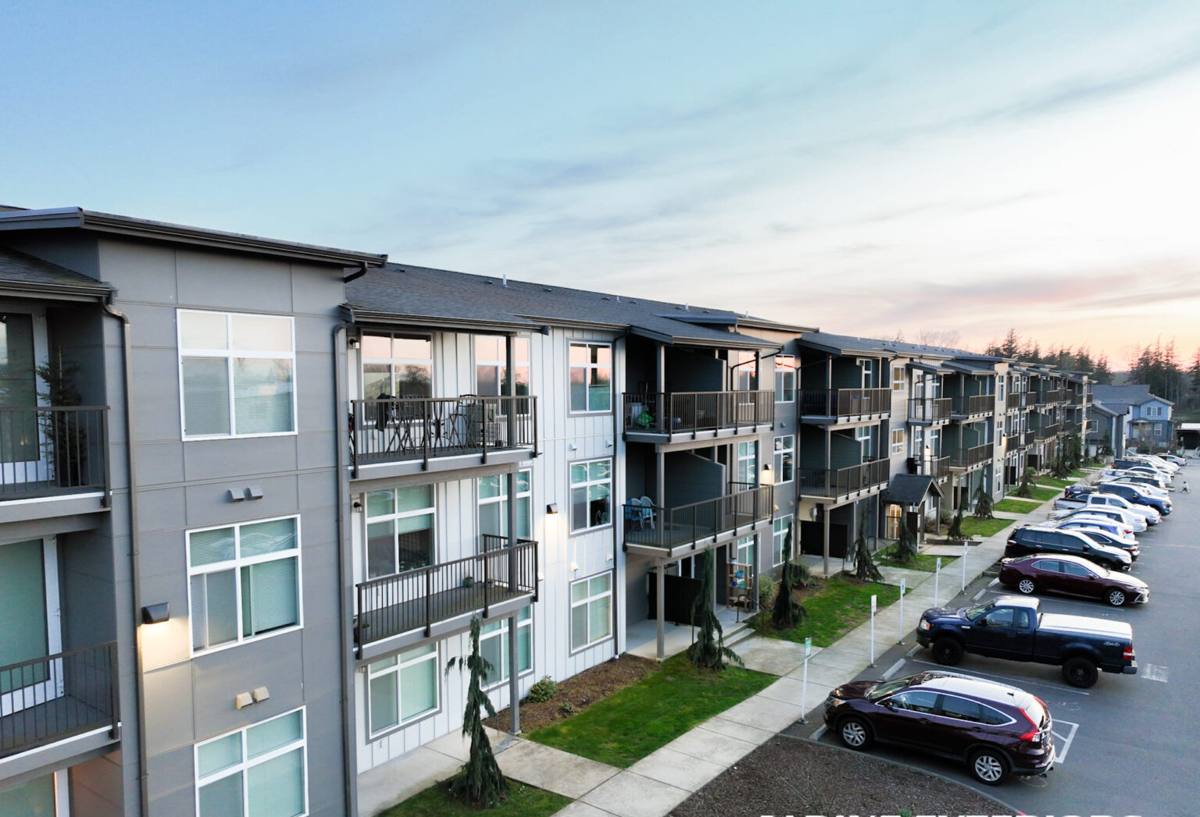
What Nooksack-Area Homes Actually Need From a Window Installation
We see a mix of housing stock in this area — older farmhouses and mid-century homes with original wood windows, along with newer construction. The needs differ by age and construction type, but the climate demands are the same for all of them.
- Original wood windows from several decades ago are often single-pane or early double-pane, and by now the wood sashes have usually absorbed enough moisture cycling that they're swelling, sticking, or starting to rot at the corners.
- Homes with west- or south-facing exposure toward open fields or the water take the brunt of wind-driven rain and need extra attention to flashing and sill pan detail, not just a better window.
- Homes with a lot of shade from mature trees or north-facing walls hold moisture longer and are the spots we see moss and algae growth on sills, cladding, and window trim first.
- Any home with visible condensation between panes, soft or dark trim around a window, or a window that's hard to open and close is telling you the seal or the frame has already started to fail.
What a Correct Installation Actually Involves
Window installation quality is decided by details most homeowners never see once the trim goes back on. Getting these right is the difference between a window that performs for decades and one that leaks within a few winters.
Flashing and Weather Barrier Integration
The window has to be integrated into the wall's weather-resistive barrier in the correct shingle-lap order — sill flashing first, then side flashing, then head flashing, each one overlapping the layer below it so water is always directed outward and down, never trapped behind the next layer. Skipping or shortcutting this sequence is the single most common cause of hidden leaks we find when we open up a wall.
Sill Pan and Drainage Path
A sill pan under the window gives any water that does get past the glass and frame somewhere to go besides straight into your framing. In a climate with this much wind-driven rain, a sill pan with a proper slope and a clear drainage path to the exterior isn't optional — it's cheap insurance against the kind of slow rot that isn't visible until the sill is already soft.
Insulation and Air Sealing
The gap between the window frame and the rough opening needs to be filled with a compatible low-expansion foam or backer rod and sealant — not stuffed with fiberglass batting, which does little to stop air movement and nothing to stop bulk water. Poor sealing here shows up later as drafts, higher heating bills, and condensation on the interior trim during cold snaps.
Level, Plumb, and Properly Fastened
A window that's out of level or plumb by even a small amount will bind, won't seal evenly against its weatherstripping, and will wear unevenly over time. Correct shimming and fastening through the manufacturer's specified points is what keeps the window operating smoothly for the life of the product.
Choosing the Right Window for This Climate
There's no single "best" window material — the right choice depends on your home's exposure, your maintenance appetite, and your budget. Here's how the common options stack up for a wet, salt-influenced, moss-prone climate like this one.
| Material | Moisture Behavior | Maintenance | Typical Lifespan |
|---|---|---|---|
| Vinyl | Doesn't rot or corrode; handles humidity well | Low — occasional cleaning | 20-30+ years |
| Fiberglass | Very stable, minimal expansion/contraction, strong moisture resistance | Low | 30-40+ years |
| Wood-clad (exterior clad) | Good if cladding and flashing are done right; vulnerable at any breach in the cladding | Moderate — watch cladding seams, interior wood may need refinishing | 20-30 years, cladding-dependent |
| Bare wood | Most vulnerable to this climate's humidity and driving rain without diligent upkeep | High — regular painting/sealing required | Highly variable, upkeep-dependent |
| Aluminum | Conducts cold and can condense heavily in our winters; some coastal-air corrosion risk over time | Low-moderate | 20-30 years |
For most homes in this area, vinyl and fiberglass windows offer the best balance of moisture resistance and low upkeep. Wood-clad windows can look great and perform well, but they put more of the long-term burden on the quality of the cladding and flashing installation — which is exactly why installation quality matters as much as the product you choose.
Our Process, Start to Finish
- Walkthrough and measurement. We look at every window opening individually, note exposure direction, existing damage, and any signs of past water intrusion.
- Honest recommendation. We tell you which windows make sense for your home's exposure and your budget, and we'll say plainly if a particular product isn't a good fit for a given wall.
- Removal and opening inspection. When we pull the old window, we check the rough opening and sheathing for hidden rot before anything new goes in — this is often where problems get caught early instead of late.
- Flashing, sill pan, and weather barrier work. This is the part that determines whether the window stays dry for the next 20-plus years, and we don't rush it.
- Setting, shimming, and fastening. The window is set level and plumb and fastened per manufacturer spec, not by eye alone.
- Insulation, sealing, and trim. Proper low-expansion foam or backer rod, sealant at the exterior, and trim reinstalled or replaced as needed.
- Walkthrough and cleanup. We test operation on every window, clean up job debris, and haul away the old units.
Common Problems We Find in Nooksack-Area Homes During Replacement
When we open up an older window opening in this part of Whatcom County, a few issues show up often enough that we check for them every time:
- Soft or delaminated sheathing under the sill from years of slow moisture intrusion behind failed caulk.
- Missing or improperly lapped flashing, especially on additions or windows that were replaced once before without addressing the weather barrier.
- Moss and algae growth on sills and lower trim on shaded or north-facing walls, which holds moisture against the wood longer than it should sit.
- Fogged or failed double-pane seals from age, letting condensation build up between the panes.
- Fiberglass batting stuffed around the frame instead of proper sealant, leaving real gaps for air and water.
- Corroded or salt-pitted hardware on older aluminum or steel-framed windows closer to open, wind-exposed areas.
Why a Crew That Already Works This Area Matters
Window installation done right is largely about correctly reading a specific building in a specific climate, not just following a generic checklist. A crew that regularly works homes in and around Ferndale and the Nooksack area already knows what exposure to wind-driven rain looks like on a given wall orientation, what kind of rot pattern shows up on shaded, moss-prone sills, and which older construction methods in this area tend to need extra attention at the flashing. That local pattern recognition shortens the time it takes to spot a problem and shortens the time it takes to fix it correctly the first time. It also means we're not guessing at permitting or code requirements that apply in Whatcom County — we already know the process.
Cost Factors for Window Installation in Nooksack-Area Homes
Every home is different, but the estimate you get should be shaped by a handful of concrete factors rather than a flat per-window number pulled out of thin air:
| Factor | Why It Matters |
|---|---|
| Window size and count | Larger openings and whole-house replacements involve more material and labor per job |
| Material choice | Vinyl, fiberglass, and wood-clad windows carry different material costs |
| Condition of the rough opening | Rot repair or sheathing replacement adds labor beyond the window swap itself |
| Access and site conditions | Second-story windows, tight setbacks, or difficult access can add time |
| Trim and finish work | Matching existing trim profiles or repainting adds finishing labor |
| Disposal | Hauling away old windows and job debris is part of a full-service job |
We'd rather walk your home, look at your actual windows and openings, and give you a number based on what's really there than quote a price over the phone that has no basis in the condition of your house. If you're in the Nooksack area near Ferndale and want a straight answer on what your windows need, we'll come take a look and put together a free, no-pressure estimate — no obligation either way.