 Ferndale Window
 Window Installation Built for Sudden Valley's Climate
Homes around Sudden Valley deal with a specific combination of weather that a lot of window installers never have to think about: marine-influenced moisture rolling in off the water, wind-driven rain that hits siding and window frames at an angle instead of straight down, and a long stretch of the year where surfaces simply don't dry out. That combination is hard on windows in ways that aren't always obvious until a frame starts failing from the inside out. A window that would hold up fine in a drier climate can start showing rot, fogging, or air leaks years earlier here if it wasn't installed with this specific weather in mind.
This page is about one thing: installing windows correctly on Sudden Valley homes, given what the local climate actually does to a house over time. We're not covering every service we offer — just what matters when you're replacing or installing windows in this particular area.
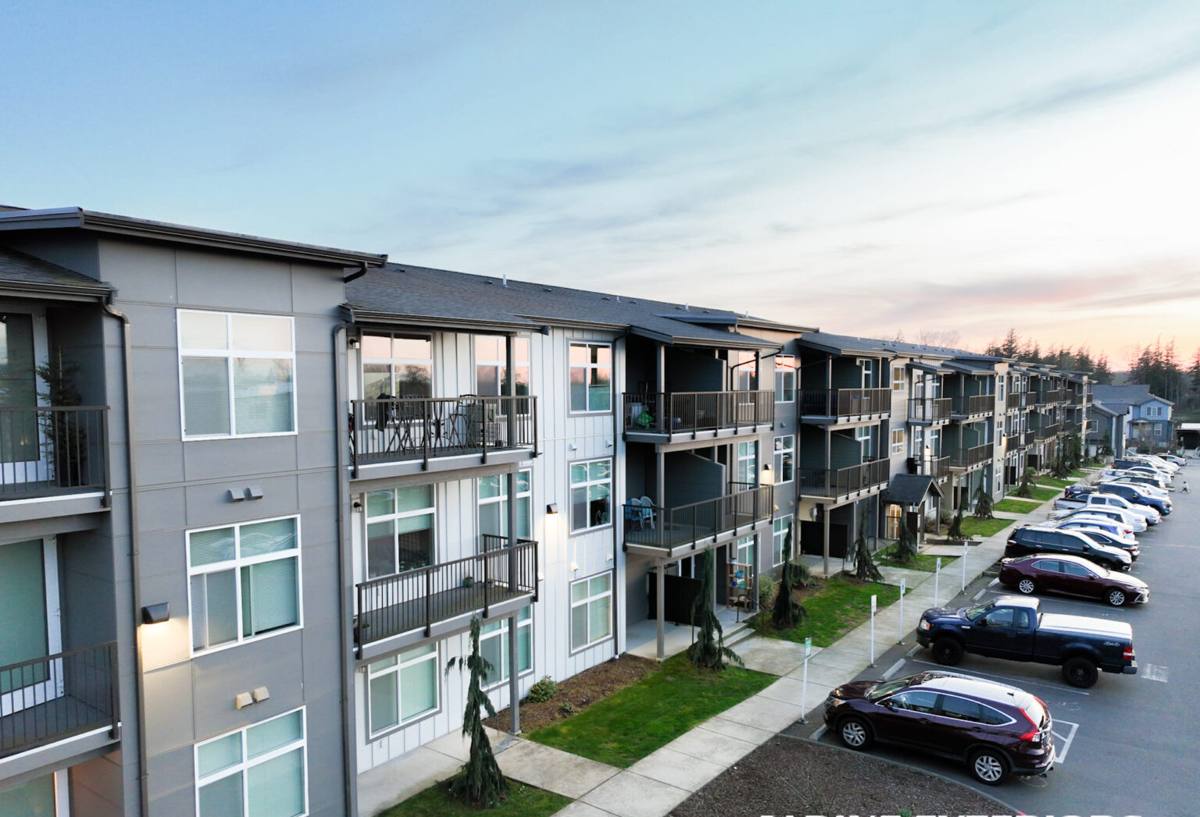
What Whatcom County Weather Does to Windows Over Time
Driving rain and wind-blown moisture
Straight-down rain is easy for any window system to handle. The problem is wind-driven rain that gets pushed sideways into the gap between the window frame and the wall opening. If the flashing and sealant details aren't done right, water finds its way behind the trim and into the wall framing — often with no visible sign for a year or two.
Salt-influenced air
Salt air doesn't just affect homes sitting right on the water. It travels, and over years it accelerates corrosion on unprotected hardware — hinges, locks, and cranks — and can degrade certain sealants and finishes faster than they'd wear in a drier inland climate. Window hardware and fasteners that aren't rated for coastal exposure tend to show it first.
Moss and prolonged dampness
Whatcom County's long moss season means anything that stays damp for extended periods — sills, bottom rails, exterior trim — becomes a growth surface if it isn't detailing to shed water and dry out between rains. Moss holds moisture against wood and painted surfaces, which is exactly the condition that leads to premature rot around a window opening.
Signs a Sudden Valley Home May Need Window Work
- Visible moss or dark staining building up on sills or bottom window trim
- Soft or spongy wood when you press on the frame or trim around a window
- Fogging or a milky look between panes of double-pane glass — a sign the seal has failed
- Drafts or a noticeable temperature difference near windows in windy weather
- Windows that stick, won't latch fully, or have become hard to open and close
- Peeling paint or bubbling finish concentrated around window openings specifically
- Visible daylight or gaps where the frame meets the siding or trim
What a Correct Installation Actually Involves
Window installation quality is decided mostly by details you can't see once the trim goes back on. This is where most problems start, and it's what separates an installation that lasts decades from one that causes trouble in five years.
Flashing and water management
Every window opening needs to be flashed so that any water that gets past the exterior surface is directed back out, not into the wall cavity. That means proper sill pan flashing, correctly lapped house wrap integration, and flashing tape sequenced so water always sheds downward and outward — never trapped behind a layer.
Air sealing without trapping moisture
The gap between the window frame and the rough opening needs to be sealed for air and insulated, but with materials that don't hold water if a small amount does get in. Packing that gap with the wrong material, or over-sealing it in a way that traps moisture, is a common mistake that causes hidden rot.
Level, plumb, and properly shimmed
A window that isn't installed level and plumb will bind, won't seal evenly against weatherstripping, and puts uneven stress on the frame — which shows up later as air leaks or hardware that wears out faster than it should.
Fasteners and hardware rated for the exposure
Given the salt-influenced air in this region, we use fasteners and hardware that resist corrosion rather than standard-grade parts that can start rusting or seizing within a few years.
Choosing a Window for This Climate
There's no single "best" window material — the right choice depends on your home's exposure, your budget, and how much upkeep you want to take on. Here's an honest comparison of the main options for a home in this area:
| Frame Material | Moisture & Salt Air Resistance | Maintenance | Typical Lifespan |
|---|---|---|---|
| Vinyl | Good — won't rot or corrode | Low — occasional cleaning | 20–30 years |
| Fiberglass | Very good — dimensionally stable, resists corrosion | Low | 30+ years |
| Wood (unclad) | Poor without diligent upkeep in this climate | High — regular painting/sealing required | Varies widely with maintenance |
| Wood with aluminum or fiberglass cladding | Good — exterior face protected, interior stays wood | Moderate | 25–35 years |
| Aluminum | Fair — can corrode over time without protective finish; conducts cold | Low to moderate | 20–30 years |
For homes with significant wind and rain exposure, we generally steer customers toward vinyl or fiberglass because they hold up with the least ongoing maintenance. We're not against wood-look products — they can be the right call for a specific architectural style — but we're upfront that an unclad wood frame in this climate requires a real maintenance commitment, or moisture problems will show up early. That's a maintenance-burden tradeoff, not a knock on wood as a material.
Our Installation Process
- On-site assessment — we look at each window opening individually, check for existing damage or rot, and note the specific exposure (wind direction, roof overhang, sun/shade) for that side of the house.
- Removal and opening inspection — once the old window is out, we inspect the framing and sheathing underneath for hidden moisture damage before anything new goes in.
- Repair as needed — any soft or rotted framing gets addressed before a new window is installed. Installing a new window over damaged framing just hides the problem.
- Flashing and sill pan installation — sequenced correctly so water sheds out, not in.
- Setting the window — leveled, plumbed, and shimmed, then fastened with corrosion-resistant hardware.
- Air sealing and insulation — the gap around the frame is sealed and insulated with materials appropriate for a damp climate.
- Exterior and interior trim — finished and sealed to shed water and match the home.
- Final walkthrough — we check operation, seals, and finish with you before considering the job done.
What Affects the Cost of Window Installation Here
| Factor | Why It Matters |
|---|---|
| Number and size of windows | Bigger openings and more units mean more material and labor |
| Frame material chosen | Vinyl typically costs less upfront than fiberglass or clad wood |
| Condition of existing framing | Rot or moisture damage found during removal adds repair time |
| Full-frame vs. insert replacement | Full-frame replacement (recommended when there's water damage or you want new flashing) costs more than an insert into a sound existing frame |
| Access and home height | Second-story or hard-to-access windows take more time and equipment |
We won't quote a number without seeing the actual windows and openings — anyone who gives you a firm price over the phone for a whole-house job is guessing.
Why It Matters to Hire a Crew That Already Works in Sudden Valley
Window installation isn't a one-size-fits-all trade. A crew that mostly works in drier inland areas may not think twice about flashing details or hardware corrosion resistance, because it's never bitten them before. A crew that regularly works homes exposed to Whatcom County's rain and marine air treats those details as standard practice, not an afterthought — because we've seen what happens when they're skipped.
That local experience also means we're not guessing at what a particular exposure or roofline will do to a window installation. We've seen how wind and rain move across homes in this area and build the installation accordingly.
Homeowner Checklist: Keeping New Windows Performing
- Rinse sills and tracks periodically to keep moss and debris from building up
- Check exterior caulking and sealant once a year for cracking or gaps
- Keep gutters and downspouts clear so runoff doesn't wash directly over window openings
- Operate every window at least a few times a year so hardware doesn't seize
- Watch for soft trim or paint bubbling near frames — early signs worth addressing quickly
- Trim back vegetation that keeps window surfaces shaded and damp
If you're seeing drafts, moisture, or aging windows on a Sudden Valley home, we're happy to take a look and give you a straightforward, no-pressure estimate — just fill out the form below.