 Ferndale Window
 Roof Repair in Sudden Valley: A Climate That Doesn't Go Easy on a Roof
Homes in Sudden Valley deal with a combination of conditions that wears on a roof faster than a lot of homeowners expect. Salt-tinged marine air moving in off the water accelerates corrosion on fasteners and flashing metal. Wind-driven rain doesn't just fall straight down — it gets pushed sideways and up under shingle edges, valleys, and flashing laps that were never designed to handle water moving in that direction. And a long moss season, especially on shaded or tree-covered slopes, keeps roof surfaces damp for months at a time. None of this means a roof in Sudden Valley is doomed to constant problems. It means repairs need to be diagnosed and done with that climate in mind, not treated like a generic patch job.
This page covers roof repair specifically — not full replacement — for homes in and around Sudden Valley, done by a crew that already works this part of Whatcom County.
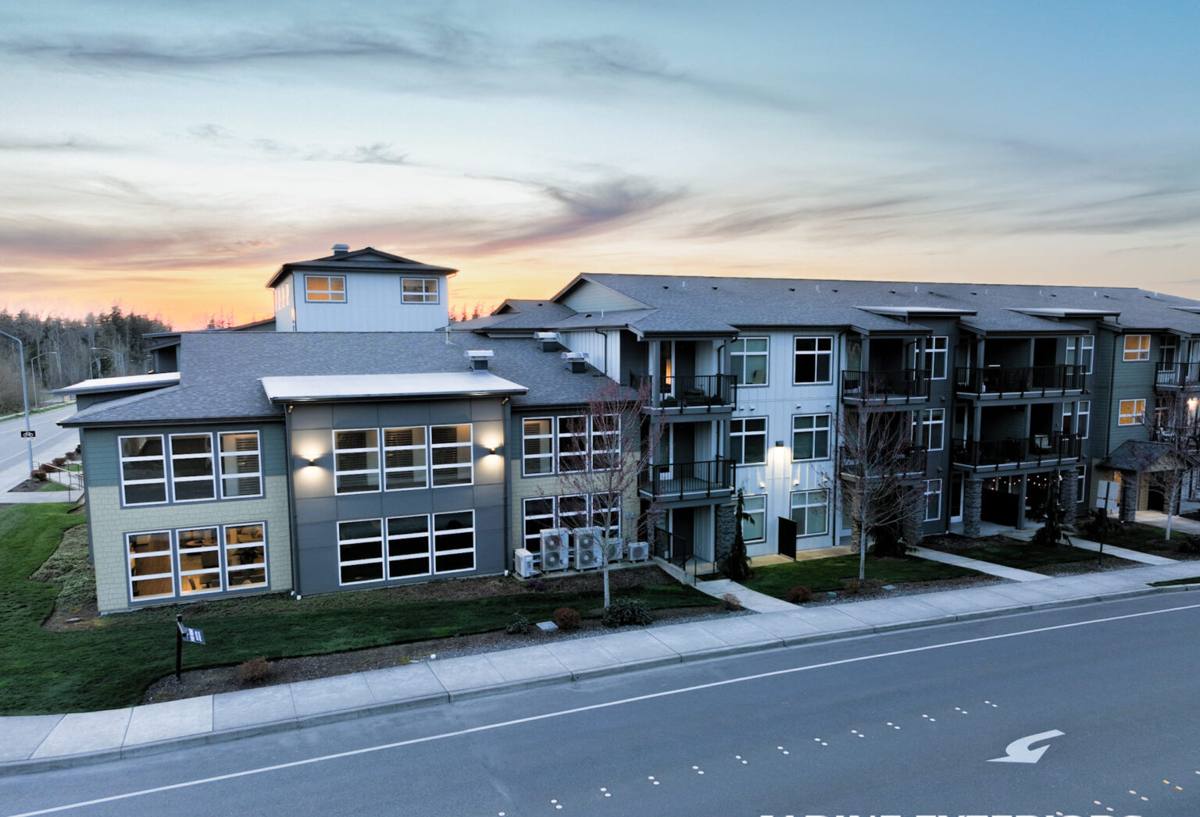
What Sudden Valley Homes Typically Need From a Roof Repair
Most repair calls in this area trace back to one of a handful of recurring issues rather than random bad luck. Understanding which category your problem falls into helps you have a more informed conversation with whoever inspects your roof.
The Usual Suspects
- Flashing failures at chimneys, skylights, valleys, and wall intersections — the single most common source of active leaks, far more often than the shingles themselves
- Wind-driven rain intrusion at shingle laps and edges that were adequate for straight-down rain but not for rain pushed sideways by coastal wind patterns
- Moss and organic growth on shaded, north-facing, or heavily tree-covered slopes, which holds moisture against the roof surface long after a storm has passed
- Nail and fastener corrosion from prolonged salt-air exposure, especially on older roofs installed with standard rather than corrosion-resistant fasteners
- Deck rot beneath the roofing material from long-term hidden moisture, often only discovered once the roofing above it is pulled back
Signs You Need a Repair, Not a Full Replacement
- A leak traced to one clear, localized source — a single flashing detail, a cracked pipe boot, a handful of damaged shingles
- The roof is under roughly two-thirds of its expected lifespan and otherwise in reasonable shape
- Moss or staining is cosmetic and hasn't caused shingle granule loss or deck softening underneath
- No widespread curling, cracking, or granule loss across multiple slopes
- The decking underneath, where accessible, is solid rather than soft or spongy
If several of these don't apply — multiple leak sources, a roof past its expected service life, or soft decking discovered during inspection — a repair may end up being a short-term fix on a roof that needs replacement soon anyway. Part of an honest inspection is telling you that plainly instead of patching over a bigger problem.
What a Correct Repair Actually Involves
A roof repair done right isn't just replacing whatever's visibly damaged. It starts with figuring out where the water is actually getting in, which is frequently not where it shows up on the ceiling below.
Where Leaks Really Start
Water travels along the underside of roofing material before it shows up as a stain inside the house, so a leak that appears over a bedroom might originate several feet away at a valley or chimney flashing. A correct repair traces the path back to the real entry point rather than patching the spot directly above the visible stain. Valleys, chimney flashing, skylight curbs, and wall-to-roof intersections account for the large majority of leaks in this climate — the flat field of shingles in the middle of a slope is rarely the actual problem.
Matching Materials and Technique
A repair should tie into the surrounding roof correctly — proper shingle lapping, flashing that's integrated with the underlayment rather than just caulked over it, and fasteners rated to hold up under salt-air exposure. Caulk and roofing cement have a place in roofing work, but they're a short-term seal, not a substitute for correctly lapped flashing and underlayment. A repair that relies mainly on sealant over a poorly flashed detail tends to fail again within a season or two.
Repair vs. Replace: How We Help You Decide
This is often the real question behind a repair call, and the honest answer depends on more than just the immediate leak.
| Factor | Leans Toward Repair | Leans Toward Replacement |
|---|---|---|
| Roof age relative to expected lifespan | Roughly two-thirds or less of expected service life used | At or near the end of expected service life |
| Number of problem areas | One clear, localized issue | Multiple unrelated leak sources or widespread wear |
| Decking condition | Solid, no soft spots found during inspection | Soft or rotted decking found in more than one area |
| Moss and organic growth | Surface staining without granule loss | Heavy growth with visible granule loss or shingle lifting |
| Material availability | Matching shingle or roofing material still obtainable | Discontinued material forcing a visible mismatch |
| Upcoming plans for the home | Short-term ownership horizon, repair extends useful life | Long-term ownership, replacement avoids repeat repair costs |
Repair costs for a straightforward, single-source leak are usually a modest fraction of a full replacement, but the range varies a lot based on roof pitch, access, and how much has to come apart to reach the actual problem. We give a firm number after an in-person inspection, not a phone estimate, because guessing at scope over the phone tends to be wrong in one direction or the other.
Our Process From Call to Cleanup
- Inspection. We walk the roof in person, trace the leak or damage to its actual source, and check decking and ventilation where accessible — not just the spot you noticed the stain.
- Written estimate. You get a clear scope of work and price before any work starts, including whether we think repair or replacement is the right call and why.
- Scheduling around weather. Roof repair work depends on dry conditions, so we're upfront about timeline and any weather-driven delays rather than promising a fixed date we can't guarantee in a wet season.
- The repair itself. Correct flashing, proper shingle lapping, matched materials where possible, and fasteners suited to salt-air exposure.
- Walkthrough and cleanup. We show you what was done, explain any additional issues found along the way, and leave the property clean.
Materials and Matching: Getting a Repair That Blends In
One of the most common frustrations with roof repairs is a patch that's structurally fine but visually obvious — a different shingle color or profile standing out against the rest of the roof. When the original material is still available, we match it directly. When it isn't, we'll tell you honestly rather than pretend a mismatch won't be noticeable, and talk through options like sourcing from a less visible slope or accepting a partial-slope replacement so the repair blends in better. This is a conversation worth having before work starts, not a surprise afterward.
Moss, Algae, and Long-Term Roof Health
Whatcom County's damp, mild climate keeps moss and algae growth active across a large part of the year, and Sudden Valley's tree cover in many areas adds to that on shaded slopes. Left alone, moss lifts shingle edges as it grows, traps moisture underneath, and accelerates the kind of granule loss and deck moisture that eventually turns a repair-sized problem into a replacement-sized one. Manual moss removal, done carefully to avoid damaging the shingle surface, combined with proper attic ventilation to reduce the moisture feeding growth from underneath, does more for a roof's long-term health here than most homeowners realize. If moss is a recurring issue on your roof, it's worth raising during any repair visit — it's often addressed alongside the primary fix rather than requiring a separate trip.
Why a Crew That Already Works Sudden Valley Matters
Roofing crews that mostly work drier, inland climates can do competent work and still miss details that matter here — under-flashing wind-driven rain properly, choosing fasteners that hold up to salt air, or recognizing which slopes and tree-cover patterns tend to hold moss longest through the wet season. A crew that already does repair work in this specific area has seen these patterns repeatedly and brings that judgment to the diagnosis, not just the repair itself. It also means a company that's positioned to actually be there if a warranty question comes up down the road, rather than a crew that showed up once and moved on.
A Few Practical Questions Worth Asking Any Roofer
- Will you trace the leak to its actual source before quoting a fix, or estimate from a description alone?
- What flashing and underlayment approach do you use for wind-driven rain specifically?
- Do you use corrosion-resistant fasteners given the salt-air exposure in this area?
- What does your workmanship warranty cover, separate from the material warranty?
- Will the estimate be in writing before any work begins?
Getting an Estimate
If you're dealing with a leak, staining, missing shingles, or just want an honest read on whether your roof needs a repair or something more, we're happy to come take a look. The estimate is free, there's no pressure attached to it, and if a repair is the right call rather than a bigger job, that's exactly what we'll recommend.