 Ferndale Window
 Building a Deck That Can Actually Handle Semiahmoo
Semiahmoo sits close enough to the water that salt air is a daily fact of life, not an occasional nuisance. Add in the driving rain that rolls off the Salish Sea through the fall and winter, plus the long stretch of damp, low-light months that let moss take hold on anything that isn't shedding water properly, and you've got a climate that is genuinely hard on outdoor structures. A deck built to a generic spec sheet, without accounting for that combination, tends to show its age fast — soft spots, corroded hardware, slick moss patches, and railings that loosen years before they should.
We build decks in Whatcom County with that reality in mind from the first design conversation. That means picking materials and fasteners rated for coastal exposure, framing and flashing details that keep water moving instead of pooling, and a layout that accounts for how sun, shade, and wind actually move across a Semiahmoo lot. This page walks through what that looks like in practice.
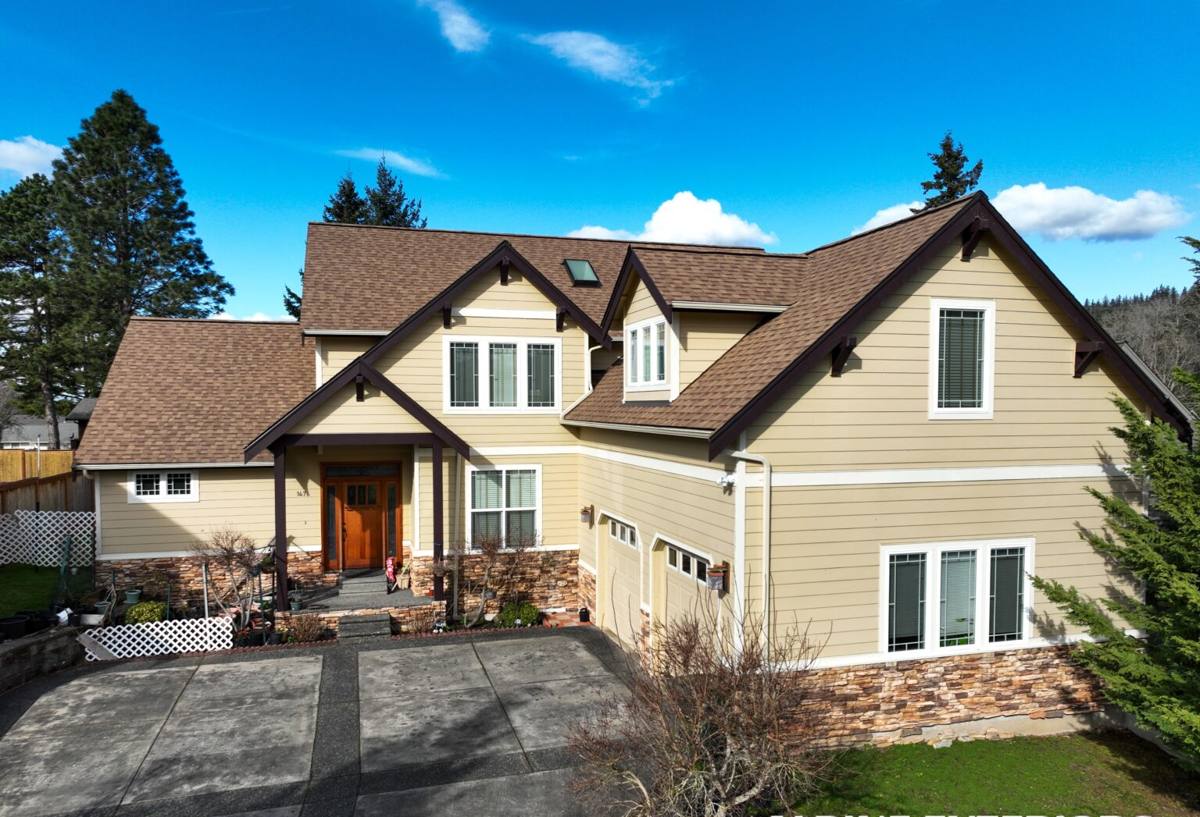
What Salt Air and Driving Rain Actually Do to a Deck
It helps to understand the specific failure modes we're designing against, rather than treating "coastal climate" as a vague warning label.
- Corrosion of fasteners and connectors: standard zinc-coated screws and joist hangers break down faster near salt water, leading to rust streaks, weakened connections, and eventual hardware failure hidden under the decking.
- Wind-driven rain intrusion: rain that comes in at an angle finds its way behind ledger boards, under poorly flashed rim joists, and into end grain that isn't sealed, which is where rot usually starts — not on the visible top surface.
- Moss and algae growth: shaded, north-facing, or poorly drained sections of decking hold moisture long after a storm passes, and that's exactly where moss and algae take over, creating a slip hazard and trapping even more moisture against the wood or composite surface.
- UV and moisture cycling: even on overcast days, wood and composite materials expand and contract with humidity swings, and repeated wet-dry cycling loosens fasteners and opens hairline gaps over time.
None of these are dramatic on their own, but stacked together over a few Whatcom County winters, they're what separates a deck that needs board replacement in year six from one that's still solid at year twenty.
Choosing the Right Decking Material for a Semiahmoo Property
There's no single "best" decking material — the right choice depends on how close the property sits to open water, how much shade the deck gets, and how much maintenance the homeowner actually wants to do. We walk through these trade-offs honestly rather than pushing whatever's easiest to install.
| Material | Salt air performance | Moss/moisture behavior | Maintenance |
|---|---|---|---|
| Pressure-treated wood | Good with quality fasteners; framing lumber is typically treated for ground contact | Needs regular cleaning and re-sealing in shaded areas | Highest — annual cleaning, periodic staining/sealing |
| Cedar | Naturally decay-resistant but softer; benefits from sealing near salt spray | Prone to graying and moss without upkeep | High — sealing every 1-2 years |
| Composite decking | Excellent — won't corrode or absorb salt | Can still grow surface algae in deep shade; cleans off easily | Low — occasional washing |
| PVC/cellular decking | Excellent — fully synthetic, no organic material for rot | Best moisture resistance of the group | Lowest — soap and water rinse |
| Tropical hardwoods (e.g., ipe) | Very good, naturally dense | Resists rot well but can still get slick with algae film | Moderate — periodic oiling to maintain color |
For homes closer to open water or with limited sun exposure, we lean toward composite or PVC decking specifically because they don't give moss and salt residue anything to work with. For homes set back with good sun and an owner who doesn't mind the upkeep, natural wood still has a place — it's a legitimate choice as long as everyone's clear on the maintenance commitment going in.
A Note on Ground Contact and Substructure
Whatever decking material sits on top, the framing underneath needs to be rated for the exposure it's actually going to see. Posts and beams close to grade or in persistently damp areas call for a higher treatment rating than a simple deck board — this is one of the most common corners cut on lower-bid deck jobs, and it's the one that costs the most to fix later since it means tearing up finished decking to get at it.
Framing and Fasteners: Where Deck Failures Actually Start
Homeowners naturally focus on what the decking surface looks like, but the framing and fasteners underneath are what determine whether a deck is safe in ten years. In a salt-air, high-rain environment, we pay particular attention to:
- Stainless or coated fasteners rated for coastal/marine exposure, not standard exterior-grade screws that will corrode faster near salt water.
- Ledger board flashing that directs water away from the house band joist instead of letting it wick in behind the ledger — a common source of hidden rot on older decks.
- Joist tape or capping on cut ends and joist tops to keep water from soaking into end grain before the decking ever goes down.
- Proper post footings sized and set below frost depth per code, with post bases that keep wood posts up off standing water rather than sitting directly in a wet footing.
These details don't show up in a photo of the finished deck, but they're the difference between a structure that holds up through Whatcom County winters and one that develops soft spots by the railing posts within a few years.
Our Deck Building Process
Site Assessment and Design
We start by walking the property to look at drainage patterns, sun and wind exposure, and how close the site sits to salt spray. That assessment drives the material recommendation and the framing spec — a shaded, water-facing lot gets a different plan than a sheltered, sun-exposed backyard.
Permitting and Code
Deck projects in Whatcom County typically require a permit, and we handle that process, including footing depth, railing height, and guard spacing requirements. Skipping permitting on a deck is a common shortcut on cheaper jobs, and it can create real problems at resale or insurance time.
Construction
Footings and framing go in first, with attention to the flashing and fastener details above, followed by decking, railings, and any stairs. We keep the site protected from weather during the build rather than leaving framing exposed to rain for extended stretches.
Final Walkthrough
We walk the finished deck with the homeowner, cover basic maintenance expectations for the material chosen, and make sure everything meets the agreed spec before calling the job done.
Moss, Drainage, and Long-Term Maintenance
Even a well-built deck needs some help fighting Whatcom County's moss season. Good design reduces the burden significantly: proper board spacing lets water drain through instead of pooling, and a slight slope away from the house keeps water moving off the surface. Homeowners can extend a deck's life with simple habits — an occasional wash-down with a deck-safe cleaner, keeping nearby vegetation trimmed back so airflow can dry the surface, and clearing debris out of gaps between boards before it composts into a moss bed. We're glad to walk through a maintenance schedule specific to whatever material ends up on your deck.
Railings and Hardware Built for Salt Exposure
Railings take a lot of abuse in a coastal environment — they're handled constantly, exposed to spray, and structurally critical for safety. We spec railing hardware and connectors rated for the exposure level of the site, and we favor systems where corrosion-prone components are either eliminated or easily inspected and replaced, rather than buried where a failure could go unnoticed.
Checklist: Questions to Ask Before Hiring a Deck Builder in Semiahmoo
- Are they pulling the required Whatcom County permit, or suggesting you skip it?
- What fastener and hardware spec are they using — standard exterior-grade, or coastal/marine-rated?
- How is the ledger board flashed against the house?
- What treatment rating are the framing lumber and posts, especially near grade?
- Do they have a clear recommendation on decking material based on your specific site's sun, shade, and exposure — or just one default option?
- What's the plan for drainage and slope so water doesn't pool on the surface?
- Do they offer a written warranty on workmanship, separate from the manufacturer's material warranty?
Why Hiring a Crew That Already Works in Semiahmoo Matters
A deck builder who works regularly in Semiahmoo and the surrounding Whatcom County waterfront areas already knows which framing and fastener specs actually hold up here, rather than learning it the hard way on your project. That familiarity shows up in small decisions — how footings are set in this soil, how much flashing detail a ledger board really needs, which materials handle the local moss season with the least fuss — that add up to a deck that stays solid instead of one that needs early repairs.
If you're planning a new deck or replacing one that's showing its age, we're happy to walk the site, talk through material options honestly, and put together a straightforward plan. Reach out for a free, no-pressure estimate using the form below.