 Ferndale Window
 Energy-Efficient Windows Built for the Nooksack Climate
Homes in and around Nooksack deal with a specific kind of wear that windows in drier parts of the country never see. Long stretches of driving rain, persistent damp, salt-carrying air moving in off the lowlands, and a moss season that seems to run most of the year all put steady pressure on window seals, frames, and glass. It's not dramatic weather — no hailstorms or blizzards to point to — but it's relentless, and that's exactly the kind of exposure that finds every weak point in a window installation over time.
When we talk about "energy-efficient windows" for a Nooksack home, we're not just talking about a glass rating on a sticker. We're talking about a window and installation system that keeps water out, keeps warm air in during the winter, keeps the house comfortable in the rare summer heat spike, and does all of that without demanding constant upkeep from the homeowner. That's a different standard than what a big-box retailer or a crew unfamiliar with Whatcom County conditions is usually building to.
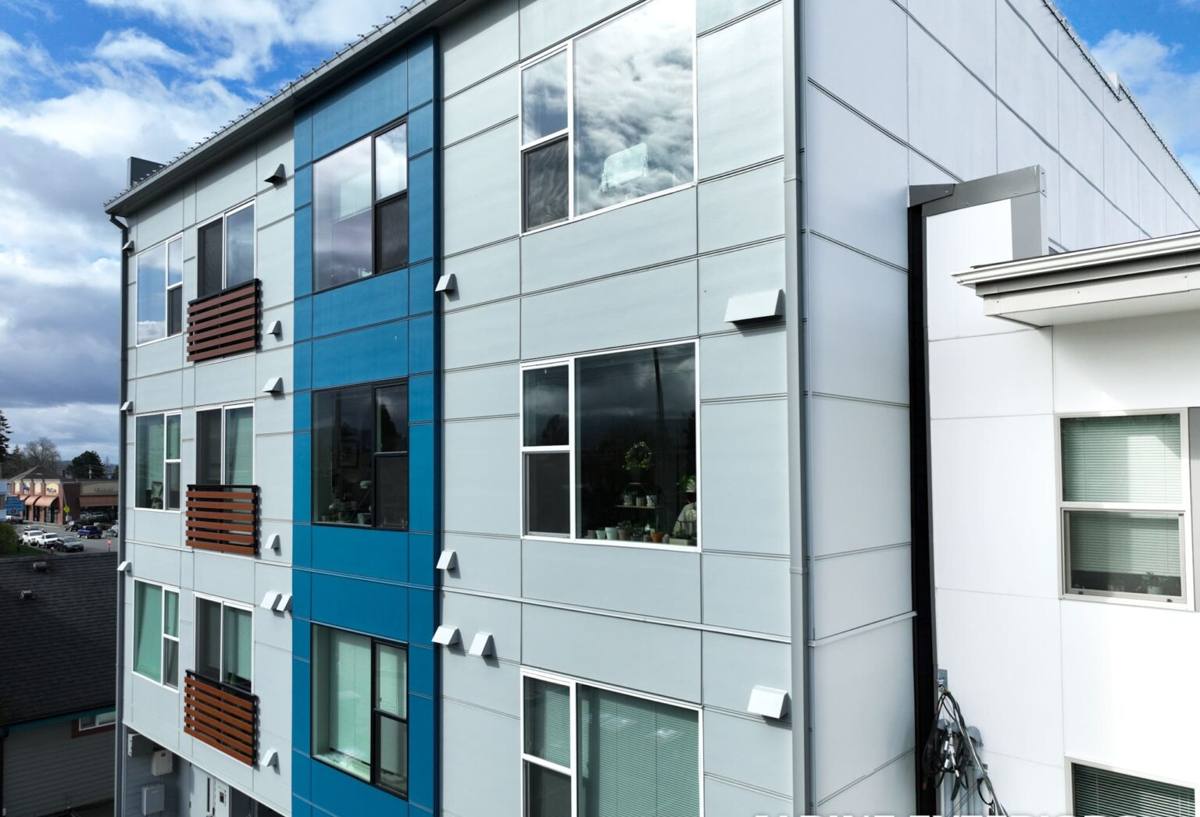
What Actually Makes a Window "Energy-Efficient" in This Climate
Energy efficiency in a window comes from three things working together: the glass package, the frame material, and the quality of the installation. Get any one of those wrong and the other two can't compensate.
Glass Packages
Double-pane windows with a low-E coating and argon gas fill are the practical baseline for this area. Low-E coatings reflect radiant heat back into the home in winter and block excess solar heat gain in summer, which matters more than people expect even in a mild climate — a poorly rated window still bleeds heat on cold, wet nights. Triple-pane glass adds another layer of insulation and can be worth it for north-facing rooms, additions with a lot of glass, or homes closer to busier roads where the extra pane also cuts down on noise.
Frame Materials
Frame choice matters as much as glass in a climate this wet. Vinyl frames with fusion-welded corners resist moisture intrusion well and don't require repainting. Fiberglass holds up to temperature swings with less expansion and contraction than vinyl, which can help seals last longer over many wet-dry cycles. Wood-clad frames look great but need real maintenance commitment in this climate — if the cladding or paint fails and moisture gets into the wood core, repairs get expensive fast. We'll talk through the honest trade-offs of each rather than pushing whatever's easiest to install.
Signs Your Current Windows Are Costing You Money
Most homeowners don't think about their windows until something is obviously wrong, but by then you've usually been losing energy — and money — for a while. Common warning signs we see on service calls in this area include:
- Visible condensation or fogging between the panes (a sign the seal has failed and the gas fill is gone)
- Drafts you can feel near the frame even with the window fully latched
- Soft, spongy, or discolored trim and sill wood, especially on west- and south-facing walls that take the brunt of driving rain
- Windows that are hard to open, close, or lock — often a sign the frame has swelled or shifted from moisture
- Moss or black streaking building up on the sill or lower frame
- A noticeable jump in heating costs without a matching change in usage habits
Any one of these on its own isn't necessarily an emergency, but a home with several of these signs is usually losing more in wasted energy than the cost difference between "fine" windows and correctly installed, well-sealed ones.
Comparing Window Options for Whatcom County Homes
| Option | Best For | Trade-Offs in This Climate |
|---|---|---|
| Vinyl, double-pane low-E | Most whole-home replacements; budget-conscious upgrades | Low maintenance, reliable moisture resistance; fewer custom color/finish options |
| Vinyl or fiberglass, triple-pane | North-facing rooms, additions, road-facing walls | Better insulation and sound control; higher upfront cost, heavier sash |
| Fiberglass frame | Homes wanting long-term stability through temperature and moisture swings | Handles expansion/contraction well; higher material cost than vinyl |
| Wood-clad | Homes prioritizing a specific traditional look | Needs consistent upkeep; failed cladding can lead to costly hidden rot |
There's no single "best" option for every home — a rental property and a long-term family home in Nooksack often call for different answers, and we'll size the recommendation to how you actually use the house.
How We Approach an Energy-Efficient Window Install in Nooksack
A window is only as good as its installation, and installation is where most energy loss and future water damage actually starts. Our process on Nooksack-area jobs is straightforward:
- On-site assessment. We check existing frame condition, look for hidden moisture or rot around openings, and measure for the correct fit rather than assuming standard sizes.
- Product recommendation. Based on the wall's exposure (how much direct rain and wind it takes), the room's use, and your budget, we recommend glass and frame options — not just the ones that are easiest for us to install.
- Removal and inspection. Old windows come out carefully so we can inspect the framing underneath. If there's water damage or rot behind the old unit, we address it before anything new goes in — sealing over a hidden problem just guarantees it comes back.
- Proper flashing and sealing. This is the step that matters most in a wet climate. Correct flashing tape, sill pans, and sealants keep water from working its way behind the window over the next 15-20 years, not just the first season.
- Insulation around the frame. Gaps between the window and rough opening get properly insulated so the energy-efficient glass isn't undermined by air leaking around the frame itself.
- Final check and walkthrough. We test operation, confirm a clean seal, and walk you through anything you should know about care going forward.
What Drives the Cost of a Window Project
| Factor | Why It Matters |
|---|---|
| Number and size of openings | Bigger jobs get better per-window pricing, but material and labor both scale with size and count |
| Glass package | Triple-pane and specialty coatings cost more upfront but reduce long-term energy loss |
| Frame material | Vinyl is typically the most budget-friendly; fiberglass and wood-clad cost more |
| Condition behind the old window | Hidden rot or water damage found during removal adds repair work, but skipping it isn't a real option |
| Access and wall exposure | Second-story or hard-to-reach openings, and walls that take heavy direct rain, may need extra prep or flashing detail |
We'll give you a written estimate that spells out these factors specifically for your home, so there are no surprises once the crew shows up.
Maintenance in a Wet, Mossy Climate
Even a correctly installed, high-quality window benefits from a little seasonal attention here. A few habits go a long way:
- Rinse sills and tracks periodically to clear moss, algae, and debris before it holds moisture against the frame
- Check exterior caulking and sealant lines once a year, especially after a hard winter, and touch up any that have cracked or pulled away
- Keep gutters and downspouts clear so water isn't sheeting down over window heads during heavy rain
- Trim back vegetation that keeps a wall shaded and damp, which speeds up moss growth around frames and sills
None of this is complicated, but it's the difference between a window system that performs well for two decades and one that starts failing at year eight because moisture had a place to sit.
Why Hire a Crew That Already Works This Area
Window installation looks similar on paper everywhere, but the details that actually matter — flashing details for driving rain, frame choices that hold up to salt-tinged air, sealing practices that account for a moss season lasting most of the year — are learned by working this specific climate, not by reading a spec sheet. A crew that regularly works Nooksack and the greater Ferndale area already knows which wall orientations take the worst weather, what kind of hidden rot to expect in older homes here, and how to install so the work still looks and performs right after a decade of Whatcom County winters.
That local experience also means fewer surprises during the job itself. We're not guessing at how a product will hold up in this climate — we're applying what we've already seen work, and avoided, on homes like yours nearby.
If your windows are drafty, fogged, hard to operate, or you're just planning ahead for a more efficient home, we're happy to take a look and walk you through honest options. Reach out for a free, no-pressure estimate using the form below.