 Ferndale Window
 Why Fairhaven Roofs Wear Out Differently
Homes in and around Fairhaven sit close enough to the water that salt-laden air is a constant, low-grade stressor on every exposed surface of a roof. Add Whatcom County's long wet season, frequent driving rain off the Strait, and the shaded, damp conditions that let moss take hold for much of the year, and you get a roofing environment that's genuinely tougher than what inland Washington homes deal with. Metal fasteners corrode faster. Shingle granules erode sooner. Moss works its way under shingle tabs and holds moisture against the roof deck long after a storm has passed. None of this means a roof in this area is destined to fail early — it means the installation has to account for these conditions from the start, not patch around them later.
A roof that was installed correctly for a drier, more sheltered part of the state won't necessarily hold up the same way here. That's the core reason a "new roof installation" isn't a one-size-fits-all job — the material selection, ventilation design, and flashing details all shift when salt air and sustained moisture are part of the equation.
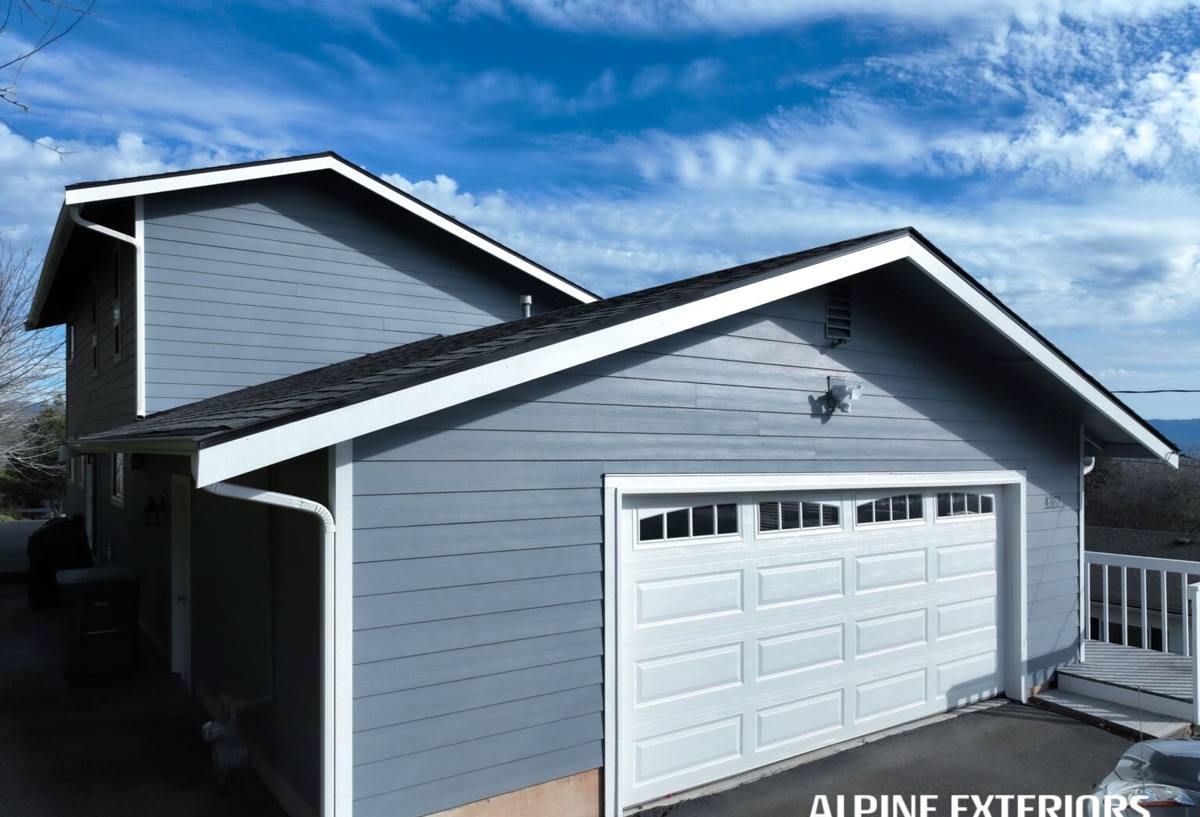
What a Correct New Roof Installation Actually Involves
A full roof replacement is more than stripping old shingles and nailing down new ones. Done right, it's a sequence of steps where each layer protects the one underneath it, and skipping or rushing any single step shortens the life of everything above it.
Tear-Off and Deck Inspection
Old roofing material comes off completely so the roof deck can be inspected. This is the point where hidden problems — soft spots, rot from a slow leak, delaminated plywood — get found and fixed. Covering over a compromised deck with new shingles is one of the most common ways a "new" roof fails within a few years, and it's not something you can see once the roofing material is back on.
Underlayment
In an area with this much rainfall, underlayment is not a formality. A synthetic or high-quality felt underlayment acts as the roof's backup waterproofing layer if wind-driven rain gets past the shingles, which happens more often in exposed coastal locations than most homeowners realize.
Flashing
Flashing around chimneys, vents, skylights, and roof-to-wall transitions is where the majority of roof leaks actually originate — not in the open field of shingles. New, properly installed flashing (not old flashing reused to save time) is non-negotiable on a quality installation.
Ventilation
Proper intake and exhaust ventilation keeps the attic space at a consistent temperature and moisture level, which matters for shingle lifespan and helps reduce the damp, shaded conditions that moss favors.
Roofing Material Installation
The final layer, installed to the manufacturer's nailing pattern, exposure, and fastening specifications — details that directly affect wind resistance and warranty coverage.
Choosing a Roofing Material for Salt Air and Moss Exposure
There's no single "best" roofing material for every home — the right choice depends on the home's exposure, budget, and how much long-term maintenance the homeowner wants to take on. What we do is walk through the honest trade-offs for a coastal, moss-prone property like the ones common around Fairhaven.
| Material | How It Handles Salt Air | Moss Resistance | Maintenance |
|---|---|---|---|
| Architectural asphalt shingle | Good with proper fastener selection | Moderate — benefits from algae-resistant granules | Periodic moss/debris removal recommended |
| Metal (standing seam) | Excellent with coated, corrosion-resistant fasteners | High — moss struggles to root on metal | Low |
| Synthetic/composite shingle | Good | Moderate to high depending on product | Low to moderate |
| Cedar shake | Requires diligent maintenance near salt air | Low without regular treatment | High |
Cedar shake is a good example of a product we're cautious about recommending for homes with heavy shade and moisture exposure — not because it's a bad material outright, but because it demands a level of ongoing treatment and moisture management that a lot of homeowners underestimate when they're comparing options up front. We'd rather be upfront about that maintenance burden than sell a roof that turns into a second job.
Ventilation and Moisture Control: The Part You Don't See
Moss doesn't grow because a roof is "old" — it grows because a roof surface stays damp and shaded long enough for spores to take hold. Good ventilation reduces the moisture sitting in the attic and, by extension, the underside of the roof deck, which helps limit the conditions moss needs. It also prevents the kind of trapped humidity that can cause the deck itself to degrade from the inside out over years of exposure.
On a new installation, we size intake and exhaust ventilation to the home's actual attic volume and roof geometry rather than defaulting to a generic vent count. Under-ventilated attics are a common issue on older homes in this area, and a re-roof is the natural point to correct it.
Flashing and Waterproofing Details for Driving Rain
Wind-driven rain off the water behaves differently than a straight-down downpour — it can push water sideways and upward under roof edges, valleys, and around penetrations that would stay dry in calmer conditions. This is why valley flashing, drip edge, and the waterproofing membrane around chimneys and skylights get extra attention on our installations. We also pay close attention to eave and rake edges, since wind-driven rain finds the weak points at roof edges before anywhere else.
- Ice-and-water shield membrane at eaves, valleys, and around all roof penetrations
- New step and counter-flashing at chimneys and walls — not reused old flashing
- Sealed and properly lapped underlayment seams
- Drip edge at all eaves and rakes to direct water away from fascia
- Pipe boots and vent flashing rated for long-term UV and moisture exposure
Our Installation Process
Every new roof project follows the same sequence, whether it's a straightforward gable roof or a more complex layout with multiple valleys and penetrations.
- On-site assessment — we inspect the current roof, attic ventilation, and any visible signs of moisture or moss buildup before quoting.
- Material selection — we go over the realistic trade-offs for your home's exposure and budget, not just a single default recommendation.
- Tear-off and deck inspection — old material removed, deck checked and repaired as needed.
- Underlayment and flashing — the waterproofing layers get installed before any finish roofing material goes down.
- Roofing material installation — installed to manufacturer specification to preserve warranty coverage.
- Final walkthrough — we review the completed roof and cleanup with the homeowner before calling the job done.
Why Local Experience Matters for This Job
A roofing crew that regularly works Whatcom County's coastal communities has already seen how salt exposure, shade patterns, and moss behave on real roofs in this area — not in a manual. That translates into practical decisions on-site: which fastener coatings hold up here, where a particular roof line tends to trap moisture, and which ventilation setup actually works once the home is shaded by mature trees for half the year. It also means we're familiar with local permitting and inspection expectations, so the job moves without unnecessary delays.
We're not asking homeowners to take that experience on faith — it's the reason our process looks the way it does, with extra attention on flashing, ventilation sizing, and material selection rather than a generic install.
After Installation: What Keeps a New Roof Performing
A quality installation is the foundation, but a little upkeep extends its life significantly in this climate, especially where moss is concerned.
- Keep gutters clear so water doesn't back up under the roof edge
- Trim back overhanging branches to reduce shade and debris buildup
- Remove moss and moderate moss growth promptly rather than letting it establish
- Schedule a roof check after major storms, particularly ones with high wind
- Have the attic ventilation checked periodically, especially after any exterior remodeling
What Affects the Cost of a New Roof
Every roof is different, so we don't publish flat pricing — but these are the main factors that move the number up or down, and we walk through each one during an on-site estimate.
| Factor | Why It Matters |
|---|---|
| Roof size and pitch | More surface area and steeper pitches increase labor and material needs |
| Number of valleys, penetrations, chimneys | Each one requires additional flashing work and labor time |
| Current deck condition | Rot or soft spots found during tear-off require repair before new material goes down |
| Material choice | Asphalt, metal, and synthetic products vary significantly in material cost |
| Ventilation upgrades needed | Older homes often need added intake or exhaust venting during a re-roof |
If you're weighing a new roof for a home in Fairhaven or elsewhere around Ferndale, we're happy to take a look and walk you through what your roof actually needs — no pressure, no generic sales pitch. A free, honest estimate is the easiest way to find out what the job really involves for your home.