 Ferndale Window
 Metal Roofing for Kendall Homes
Kendall sits in a part of Whatcom County where roofs work hard for their money. Between marine air moving in off the Salish Sea, long stretches of driving rain, and a moss season that can run most of the year, a roof here needs to shed water fast, resist corrosion, and stay clean enough that moss and algae don't get a foothold. Metal roofing, installed correctly, handles all three better than most alternatives — which is why we get regular calls from Kendall homeowners who are done patching an aging roof and ready for something that will genuinely outlast the weather.
This page is about metal roofing specifically for Kendall properties — not a general overview. If you're comparing options for a home in this area, the details below are what actually matter.
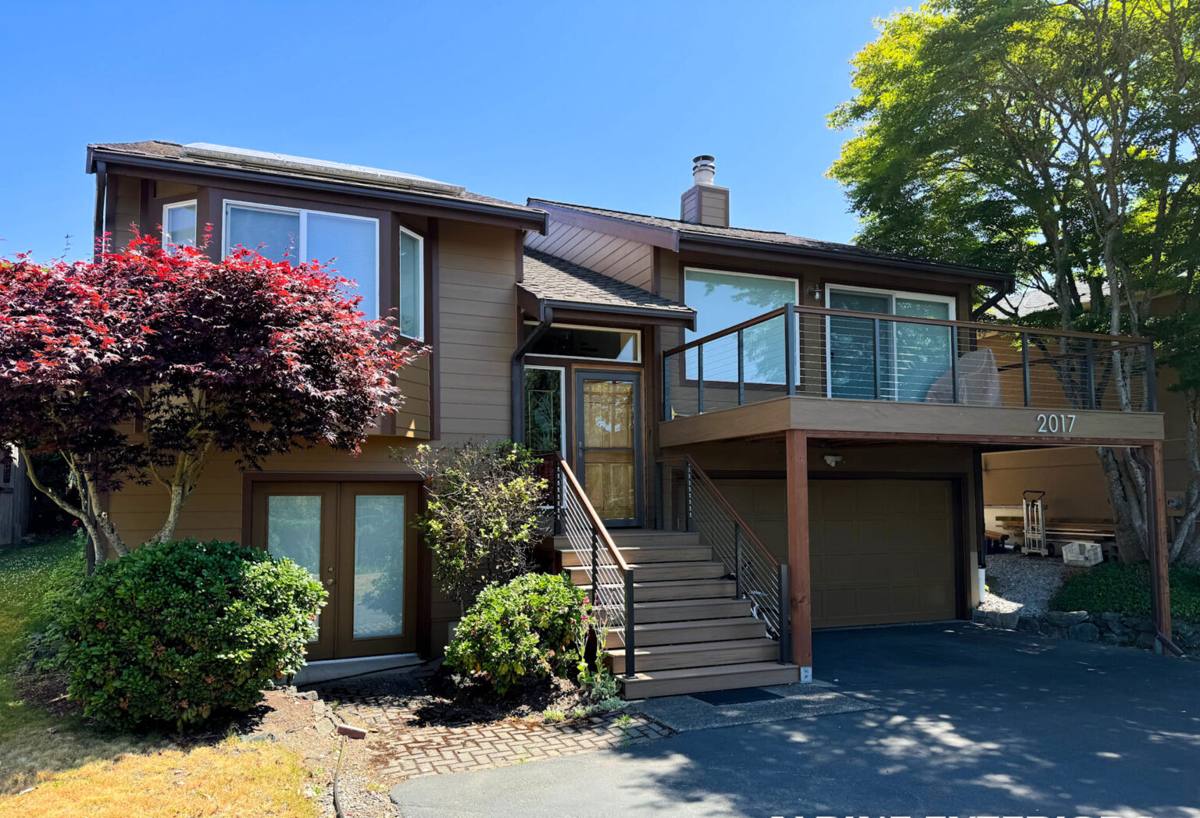
What Local Weather Does to a Roof Over Time
A roof in Kendall isn't dealing with one kind of stress — it's dealing with several, stacked on top of each other across the year.
Moisture and Moss
Shaded rooflines, north-facing slopes, and anywhere debris collects in valleys or against fascia are prime spots for moss and algae to establish. Once moss takes hold, it holds moisture against the roofing material, works into seams and fastener points, and accelerates rot underneath — even on materials that are themselves waterproof.
Wind-Driven Rain
Rain here rarely falls straight down. Wind pushes it sideways and up under lapped edges, which means flashing details, underlayment, and fastener sealing matter as much as the roofing material itself. A roof that looks fine from the ground can still be letting water in at the details.
Corrosion and Salt Exposure
Homes closer to open water or exposed to prevailing marine air take on a fine coating of salt over time. On uncoated or poorly finished metal, that accelerates corrosion at cut edges, fastener heads, and any point where the protective coating has been scratched or worn through during installation. This is one of the biggest differences between a properly installed metal roof and one that was rushed.
Temperature Swings
Whatcom County doesn't see extreme heat, but daily and seasonal temperature swings still cause metal roofing to expand and contract. Panels and fasteners have to be installed with that movement in mind, or you end up with oil-canning (visible waviness), loosened fasteners, or stress cracks at rigid attachment points over time.
Metal Roofing Options We Install
"Metal roofing" isn't one product — it's a category with real differences in cost, appearance, and how each type handles this area's rain and moss exposure. We'll walk through what fits your roof and budget, but here's the general breakdown.
| Type | Best For | Trade-Offs |
|---|---|---|
| Standing seam metal | Homes wanting the longest service life and cleanest water-shedding lines | Higher upfront cost; installation quality is critical to performance |
| Exposed-fastener metal panel | Budget-conscious projects, outbuildings, some residential applications | Fasteners penetrate the panel face — seals need periodic checking over the roof's life |
| Metal shingle / shake-profile | Homeowners who want a traditional look with metal's durability | More seams than standing seam; detailing at valleys and edges takes more care |
| Stone-coated steel | Matching a tile or shake aesthetic while gaining metal's structural performance | Heavier than bare metal panel; coating integrity depends on correct handling |
Steel and aluminum are the two base materials we work with most. Aluminum resists corrosion naturally, which can be an advantage on homes with more direct exposure to marine air. Steel, properly coated (typically Galvalume or a comparable coating under a painted finish), is a proven, cost-effective choice for most Kendall homes. We'll talk through which makes sense for your specific site and budget rather than defaulting to one answer.
What a Correct Installation Actually Involves
Metal roofing's reputation for longevity only holds up if the installation underneath it is done right. The panel itself is the part homeowners see — but most of the roof's actual performance comes from what's underneath and at the edges.
- A synthetic or self-adhered underlayment rated for the exposure, not a bare felt layer that degrades under prolonged moisture
- Flashing detailed at every valley, penetration, wall transition, and roof edge — the majority of leaks trace back to flashing, not the panel field
- Fasteners matched to the panel type and spaced per manufacturer specification, with proper sealing at every exposed penetration
- Panel layout planned to minimize seams and cut edges in high-exposure areas, since cut edges are where coatings are most vulnerable
- Ventilation maintained or improved so trapped attic moisture doesn't condense against the underside of the new roof
- Ice-and-water or equivalent protection at eaves and valleys where wind-driven rain and debris collect
Skipping any one of these doesn't necessarily show up right away — it shows up in year three or year eight, as a leak, a corroded fastener, or moss finding a foothold at a poorly sealed seam. That's the gap between a roof that looks like a metal roof and one that performs like one for its full service life.
Our Process, Start to Finish
We keep the process straightforward and don't push add-ons you don't need.
1. On-Site Assessment
We inspect the existing roof structure, decking condition, ventilation, and any problem areas — moss buildup, past leak damage, flashing condition — before recommending anything.
2. Honest Recommendation and Estimate
You get a clear written estimate covering material, tear-off (if needed), underlayment, flashing work, and labor. No pressure, no scare tactics about "roofs about to fail."
3. Tear-Off or Overlay Decision
In some cases metal can go over existing roofing; in others, especially where there's underlying moss or rot damage, a full tear-off is the right call. We'll tell you which situation you're in and why.
4. Installation
Deck inspection and repair as needed, underlayment, flashing, panels, and fastening — done in sequence, with attention to the details that determine how the roof performs in wind-driven rain, not just how it looks when finished.
5. Walkthrough and Cleanup
We walk the finished roof with you, confirm everything meets spec, and clear the site of old material and debris.
What Affects Cost
Every roof is different, but these are the main variables that move a metal roofing estimate up or down.
| Factor | Impact |
|---|---|
| Roof complexity (valleys, dormers, penetrations) | More cuts, flashing, and labor time |
| Tear-off vs. overlay | Tear-off adds disposal and labor cost but is often necessary over moss or moisture damage |
| Panel type and finish | Standing seam typically costs more than exposed-fastener panel |
| Deck condition | Rotted or damaged decking found during tear-off requires repair before installation |
| Roof pitch and access | Steep or hard-to-access roofs take longer and require more safety setup |
We'll break all of this down in your written estimate so you know exactly what you're paying for and why — not a single lump number with no explanation.
Living With a Metal Roof in Kendall
Metal roofing is low-maintenance compared to most alternatives, but "low-maintenance" doesn't mean "no maintenance" in a climate like this one.
- Clear gutters and valleys of needles and debris at least twice a year — trapped debris holds moisture against the roof and speeds up moss growth
- Trim back overhanging branches to reduce shade and debris drop onto the roof
- Do a visual check after major windstorms for lifted flashing or displaced panels
- Avoid pressure-washing the roof directly — it can force water under seams and damage finishes; a soft rinse or approved cleaning method is safer
- Address any scratched or exposed metal promptly, since that's where corrosion starts
Done right, a metal roof in this climate is one of the lower-maintenance choices available — it just isn't a completely hands-off one.
Why Hire a Crew That Already Works in Kendall
A lot of roofing problems in this area come down to installers applying general specifications without accounting for local conditions — underlayment rated for a drier climate, flashing details that work fine somewhere with less wind-driven rain, or moss-prone areas left without adequate protection at eaves and valleys. A crew that regularly works in Kendall and the surrounding Ferndale area already knows where those issues tend to show up on local homes, and builds the roof to handle them from the start rather than learning the hard way. We also know what local permitting and inspection requirements look like, so there are no surprises mid-project.
Get a Free, No-Pressure Estimate
If you're weighing a metal roof for your Kendall home, we're happy to take a look, answer your questions honestly, and put together a clear estimate — no obligation and no pressure. Use the form below to get started.