 Ferndale Window
 Roofing Built for Lynden's Weather, Not Just Any Roof
Lynden sits in the same weather system as the rest of Whatcom County: long wet winters, a short dry summer window for construction, and enough moisture in the air year-round that roofing materials and installation details matter more here than they do in drier parts of the state. A new roof installed in Lynden has to handle sustained rain events, wind off the flats and out of the Fraser Valley, and a moss and algae season that can run eight months or longer on north-facing slopes and shaded sections of roof.
We're based in Ferndale and have worked roofs throughout this corner of Whatcom County long enough to know which details actually matter for a house in Lynden versus a generic install spec. This page covers what that looks like in practice: what a correct new roof install involves here, how we run the job, and why the local knowledge behind the crew is worth something you can't get from an out-of-area contractor bidding the job sight-unseen.
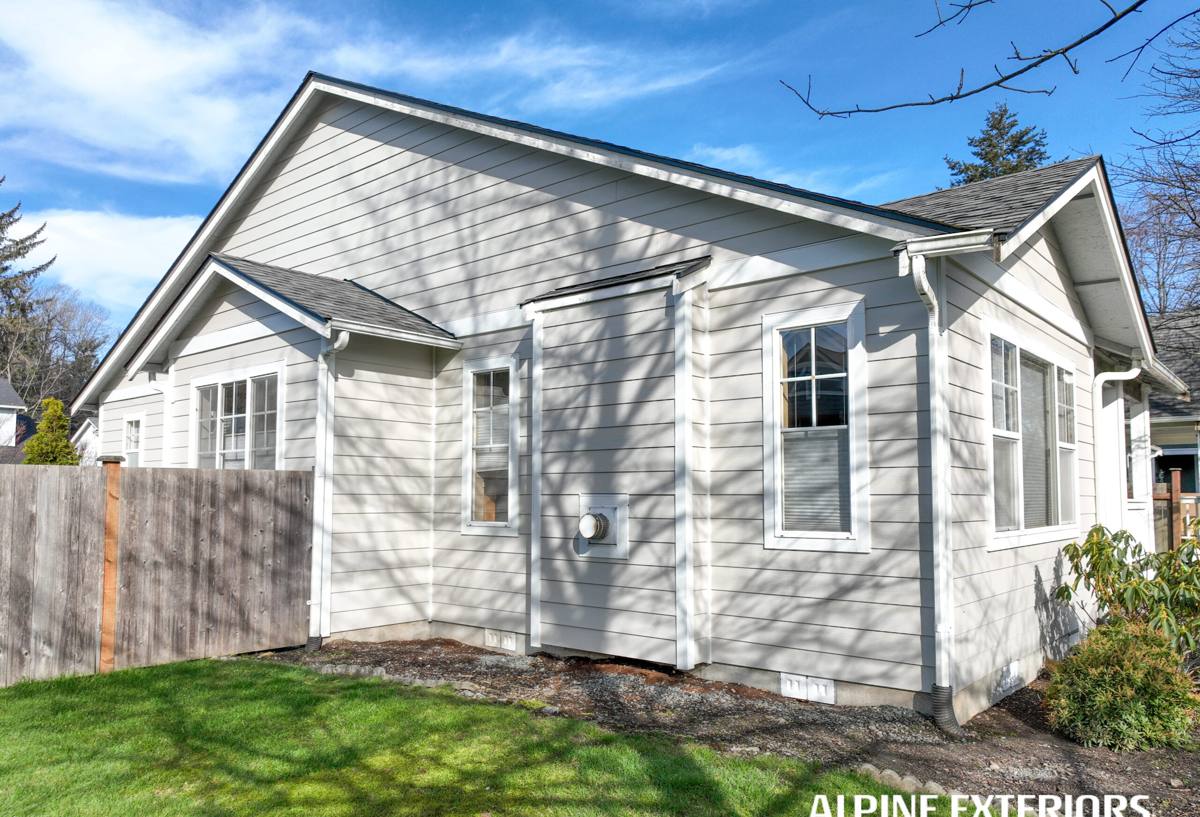
What Lynden's Climate Actually Demands From a Roof
Salt-tinged air off the Strait and Bellingham Bay, driving rain that comes in sideways during winter storms, and a moss season that never fully shuts off — these three things drive almost every decision on a Lynden roof replacement.
Moisture Load, Not Just Rainfall Totals
It's not just how much rain falls, it's how long the roof stays wet. Whatcom County gets long stretches of low-intensity rain and heavy fog, which keeps roofing materials damp for days at a time rather than a quick soak-and-dry cycle. That sustained dampness is what feeds moss, softens underlayment that isn't rated for it, and finds its way into any flashing detail that was cut short.
Moss and Algae Pressure
Shaded roof sections, north slopes, and anything near overhanging trees will grow moss in this climate almost regardless of material — the question is how much damage it does and how easy it is to manage. Moss holds moisture against the roof surface, works into shingle laps, and over years lifts and degrades the roofing material underneath it. A correct install plans for this rather than pretending it won't happen.
Wind and Driving Rain
Storms moving through this part of the county bring wind-driven rain that tests every seam, lap, and fastening pattern on a roof. Underlayment quality and fastening schedule matter more here than in a climate where rain mostly falls straight down.
Signs a Lynden Roof Is Due for Replacement
Roofs in this area often show wear differently than they would in a drier climate — moss and moisture damage can mask or mimic other problems. Some of the clearer signs we look for:
- Granule loss showing up in gutters or downspouts after storms
- Moss establishing on more than isolated patches, especially on north-facing or shaded slopes
- Shingles curling, cupping, or lifting at the edges
- Soft spots or sagging when walked, which usually points to deck damage underneath
- Staining on interior ceilings or in the attic, especially near valleys or penetrations
- Flashing around chimneys, skylights, or vents that's rusted, cracked, or pulling away
- A roof approaching or past the manufacturer's expected service life for this climate, not just its theoretical warranty length
Any one of these on its own doesn't necessarily mean full replacement, but a combination of two or three usually does. We'll walk the roof and tell you honestly if repair is a reasonable option before recommending a full install.
Choosing a Roofing Material for This Climate
There's no single "best" roofing material — the right choice depends on your roof's exposure, budget, and how much moss and moisture management you're willing to keep up with over the years. Here's how the common options stack up for a Lynden home specifically.
| Material | Moisture & Moss Behavior | Typical Lifespan Here | Trade-Offs |
|---|---|---|---|
| Architectural asphalt shingle | Good with proper ventilation and algae-resistant granules; still needs periodic moss removal on shaded slopes | 25–30 years | Best value; most familiar to local crews and insurers |
| Standing seam metal | Sheds moisture fast, minimal moss adhesion on smooth panels | 40–50+ years | Higher upfront cost; requires an installer experienced with panel seaming and expansion detailing |
| Composite/synthetic shake | Resists moisture absorption better than wood; moderate moss resistance | 30–40 years | Mid-to-upper cost; appearance varies by manufacturer |
| Cedar shake | Attractive but absorbs moisture and is the most moss-prone option in this climate without diligent upkeep | 20–30 years with maintenance | We'll install it if that's your preference, but we're upfront about the maintenance commitment it takes here |
For most Lynden homes we recommend architectural asphalt with algae-resistant shingles as the balance of cost, durability, and manageable upkeep, with standing seam metal as the upgrade path for homeowners planning to stay long-term or dealing with heavy tree cover and shade.
What a Correct Install Actually Involves
A roof is only as good as the layers underneath the shingles or panels. This is where a rushed install shows up years later as a leak, even if the surface material looks fine.
Tear-Off and Deck Inspection
We remove the old roofing down to the deck rather than layering over it, which lets us actually see the sheathing condition. Any soft, delaminated, or water-stained decking gets replaced before anything new goes down — installing over a compromised deck just hides the problem for the next roof to inherit.
Underlayment
Given how long this area stays wet, we use synthetic underlayment rated for extended moisture exposure across the field, with self-adhering ice-and-water membrane at eaves, valleys, and around every penetration — the spots where wind-driven rain and ice dams (on the rare cold snap) do the most damage.
Flashing Details
Chimneys, skylights, sidewalls, and valleys are where most roof leaks actually originate, not the open field of shingles. We use new step and counter-flashing rather than reusing old pieces, and we detail valleys so water sheds cleanly instead of pooling.
Ventilation
Proper intake and exhaust ventilation keeps the underside of the deck dry and reduces the moisture buildup that feeds mold and shortens shingle life from underneath. This matters as much in our climate as the roofing material itself, and it's a step that gets skipped on cut-rate jobs.
Fastening and Wind Rating
We follow manufacturer fastening schedules for this wind exposure, which for many products means more nails per shingle than the bare minimum spec — a small labor difference that pays off the first time a real windstorm comes through.
How We Run a Lynden Roofing Project
- On-site assessment — we walk the roof, check the attic for existing moisture or ventilation issues, and measure for an accurate material estimate.
- Written estimate and material selection — you get a clear scope, material options, and pricing before any work is scheduled, no pressure to decide on the spot.
- Scheduling around weather windows — we plan tear-off and dry-in around forecasted dry stretches so your home isn't exposed longer than necessary.
- Tear-off and deck repair — old roofing removed, deck inspected and repaired as needed.
- Underlayment, flashing, and ventilation install — the layers that determine whether the roof actually performs in this climate.
- Final roofing material install — shingles, panels, or shakes installed to manufacturer and local wind-exposure specs.
- Cleanup and walkthrough — site cleared of debris and nails, and we walk the finished roof with you.
Cost Factors for a Lynden Roof Replacement
Every roof is different, but the same handful of factors move the price up or down on most jobs we quote in this area.
| Factor | Why It Affects Cost |
|---|---|
| Roof pitch and complexity | Steep or multi-plane roofs take longer and require more safety setup |
| Deck condition | Water or moss damage found during tear-off means added sheathing repair |
| Material choice | Asphalt, metal, and composite options span a wide cost range |
| Number of penetrations | Chimneys, skylights, and vents each need individual flashing work |
| Access and tree cover | Tight lots or heavy overhead branches slow tear-off and material staging |
| Ventilation upgrades | Adding proper intake/exhaust venting where none existed adds labor but pays off long-term |
We don't quote a number without seeing the roof — anyone offering a firm price over the phone for a house they haven't walked is guessing. What we can promise is a written estimate that breaks down what you're paying for, before work starts.
Why a Local Crew Matters for This Job
A roofing crew that already works Whatcom County shows up already knowing what this climate does to a roof over time — which slopes hold moss, how much ventilation a typical Lynden attic actually needs, and which flashing failures we see repeatedly on older homes in the area. That's knowledge you don't get from a crew traveling in from outside the region on a one-off bid.
Being based in Ferndale also means we're a short drive away if a warranty question or a storm-related concern comes up after the job is done — not a call center number connected to a crew that finished your job and moved three counties away.
Maintaining a New Roof in Lynden
A correctly installed roof still benefits from basic upkeep in this climate:
- Keep gutters clear so water isn't backing up under the eaves
- Trim back overhanging branches to cut down on shade and debris buildup
- Have moss treated or removed before it establishes heavily, rather than after
- Walk the attic occasionally for signs of moisture, especially after a hard winter
- Schedule a flashing check every few years, since that's where leaks most often start
None of this is difficult, but skipping it is the most common reason a well-installed roof underperforms its expected lifespan in this part of the state.
If your Lynden home is due for a new roof, we're happy to take a look and give you a straight, no-pressure estimate — just fill out the form below and we'll get in touch.