 Ferndale Window
 Windows Built for Kendall's Weather, Not Just the Showroom
Kendall sits back in the foothills of Whatcom County, away from the busier commercial strips but still very much inside the same weather system that soaks the rest of the region for most of the year. Homes out here deal with long stretches of steady rain, heavy seasonal humidity, and the kind of shaded, tree-covered lots that keep moisture sitting against siding and window trim far longer than it would on an open lot. That combination is hard on windows in ways that don't always show up right away — a frame can look fine from the driveway while the corners underneath are already soft.
We've replaced windows on homes all through this corridor, and the pattern repeats: it's rarely the glass that fails first. It's the wood trim, the flashing, or the seal around the frame giving out under years of damp weather and moss creep. A window replacement done right for a Kendall home has to account for that from the first inspection, not just swap in a new unit and caulk around the edges.
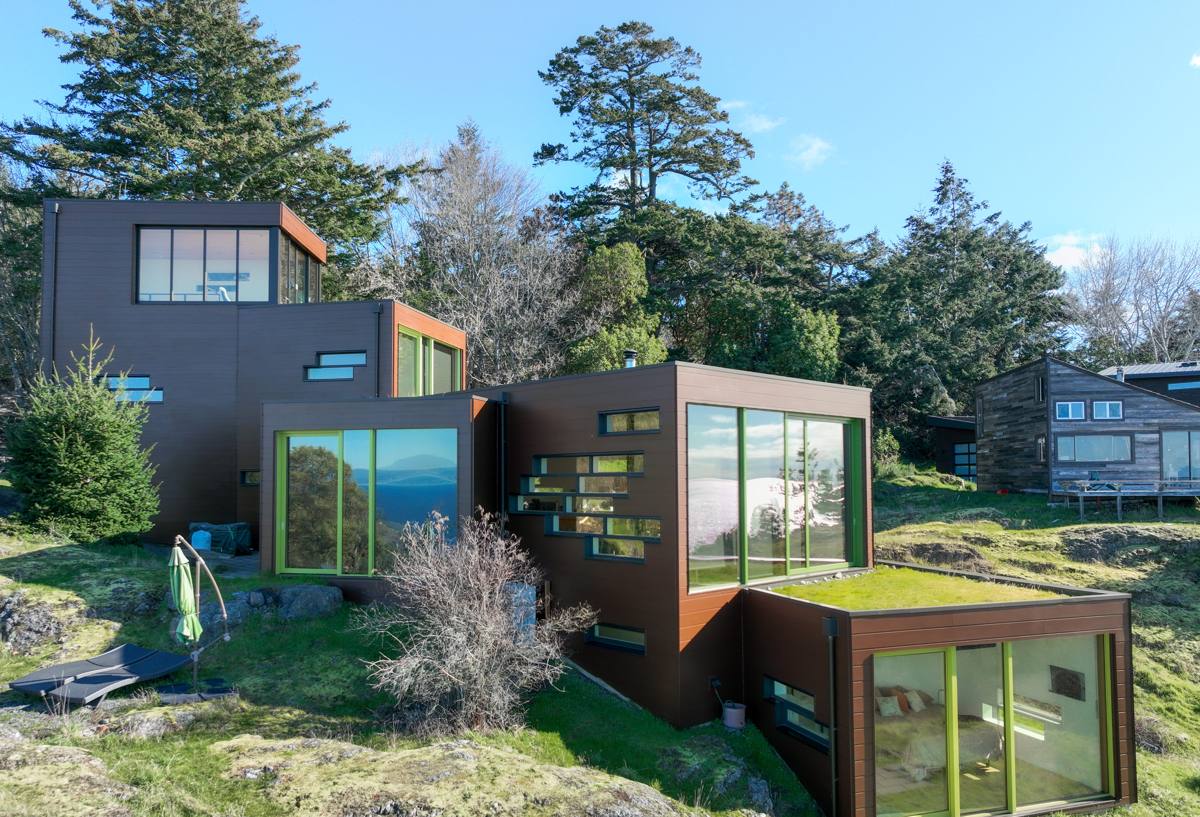
What This Climate Actually Does to a Window Over Time
Driving Rain and Wind-Driven Moisture
Storms in this part of Whatcom County don't just fall straight down — wind pushes rain sideways into window faces, especially on the south and west-facing walls of a home. Over years, that pressure finds any weak point in the flashing or sealant and works moisture behind the frame, where it can sit against wood sheathing unnoticed.
Long Moss and Mildew Season
Shaded lots and consistent moisture make this a strong moss and algae environment. Once moss establishes itself in a window sill or along a frame edge, it holds water against the surface almost permanently, which accelerates wood rot and breaks down caulk lines faster than in drier climates.
Humidity and Marine-Influenced Air
Even away from the immediate coastline, this region sits under a marine-influenced weather pattern for much of the year — humid air, salt-tinged in storms that roll in off the Sound, and persistent dampness that keeps building materials from ever fully drying out between rain events. That constant humidity is part of why we see condensation and seal failure show up earlier here than in drier parts of the state.
Temperature Swings
Foothill locations like Kendall also see a wider day-to-night and seasonal temperature range than homes closer to the water. That expansion and contraction stresses seals, glazing, and frame joints over time — another reason older single-pane and early double-pane windows tend to age out here.
Signs a Kendall Home Needs Window Replacement
Most homeowners call us after noticing one or two of these — but if you're seeing several at once, it's usually a sign the whole window, not just a part of it, needs attention.
- Fogging or a visible haze between panes (a failed seal letting moisture into the gas space)
- Windows that stick, won't latch, or are hard to open — often from swollen wood or a warped frame
- Soft, discolored, or crumbling wood at the sill or corners
- Moss, algae, or dark staining building up on the frame or sill even after cleaning
- Noticeable draft near the frame edge when it's windy outside
- Rooms near older windows that feel cold or damp compared to the rest of the house
- Rising heating bills without any other clear explanation
- Visible gaps between the frame and the siding or trim
What a Correct Window Replacement Job Involves
Removal and Hidden Damage Check
Pulling the old window is when we find out what's really going on. Any soft wood, rot, or water staining in the rough opening gets addressed before a new window ever goes in — installing a new window into a compromised opening just buries the problem for a few more years.
Flashing and Water Management
This is the step that matters most in a climate like this one. Proper flashing tape and a correctly lapped water-resistive barrier direct any moisture that gets past the window back out, rather than letting it collect behind the frame. Skipping or rushing this step is the single most common cause of premature window failure we see on older installs in this area.
Insulation and Air Sealing
The gap between the new window and the rough opening gets sealed with proper low-expansion foam or backer rod and sealant — not just stuffed with fiberglass, which does little to stop air movement and nothing to stop moisture.
Setting and Leveling the Unit
A window that's not shimmed level and square won't operate correctly and puts uneven stress on the seals from day one, which shortens its working life regardless of how good the window itself is.
Interior and Exterior Finish
Trim, caulking, and paint or stain get finished to match the home, and every exterior seal is checked before we call the job done.
Choosing the Right Window for a Kendall Home
There's no single "best" window material — the right choice depends on your home's exposure, budget, and how much upkeep you want to take on. Here's how the common options actually compare for a wet, shaded climate like this one.
| Frame Material | Moisture / Rot Resistance | Maintenance | Typical Cost Range | Best For |
|---|---|---|---|---|
| Vinyl | Very good — won't rot or absorb water | Low; occasional cleaning | Lower | Most homes prioritizing value and low upkeep |
| Fiberglass | Excellent — very stable in moisture and temperature swings | Low | Mid to upper | Homes with heavy sun/rain exposure wanting long-term stability |
| Wood-Clad | Good on the exterior cladding, but vulnerable if the seal at the cladding joint fails | Higher; requires monitoring of seams and interior wood | Upper | Homeowners prioritizing a natural interior wood look |
| Aluminum | Fair — prone to condensation and heat transfer | Moderate | Varies | Limited applications; generally not our first recommendation in this climate |
For most Kendall homes, we lean toward vinyl or fiberglass because both handle sustained moisture and temperature swings without the ongoing maintenance burden that wood-clad products carry in a climate that rarely gives materials a long dry stretch to recover in.
Glass Packages Worth Considering
Double-pane with a low-E coating and argon fill is the standard upgrade from older single-pane or basic double-pane units, and it makes a real difference in comfort and condensation control. Triple-pane adds another layer of insulation and can be worth it for north-facing rooms or homes further from the sun, though the added cost doesn't always pencil out for every room in every house — we'll walk through where it actually earns its keep.
Our Process, Start to Finish
- Free on-site estimate — we look at the actual windows and openings, not just take measurements over the phone
- Honest assessment — we tell you what's actually wrong, including anything we find that goes beyond the window itself
- Clear, itemized quote — no vague allowances, so you know what you're paying for
- Scheduled installation — timed around weather where possible, since a dry install window matters in this climate
- Removal, repair, and install — old window out, any hidden damage addressed, new window properly flashed and sealed
- Final walkthrough — we check operation, seals, and finish work with you before we consider the job done
Why Local Experience in This Area Matters
A crew that's worked around Kendall and the rest of Whatcom County already knows what to expect before they pull the first window: where moss tends to build up fastest, which orientations take the worst of the driving rain, and how the local humidity affects sealant cure times and material choices. That's not something you get from a crew that mostly works drier inland markets — the flashing details and product choices that hold up fine in a mild, dry climate don't always hold up here.
It also means we're not guessing at permitting, disposal, or scheduling around this area's weather windows. We'd rather set realistic expectations up front than rush a job into a wet week and have it show up as a problem two years later.
Comfort and Efficiency Gains You'll Actually Notice
Replacing failing windows in a home like this typically shows up in a few concrete ways: rooms near the old windows stop feeling drafty or damp, condensation on the glass in cold, humid weather drops off, and heating costs during the long wet season tend to come down once the air leakage and heat loss at the frame are addressed. These aren't dramatic overnight changes, but they're the kind of steady improvement that adds up over a full winter.
Keeping New Windows Performing in This Climate
A properly installed window should need very little from you, but a few habits go a long way here specifically:
- Rinse frames and sills periodically to keep moss and organic debris from establishing, especially on shaded sides of the house
- Check exterior caulk lines once a year for cracking or separation, particularly after a hard winter
- Keep gutters and downspouts clear so water isn't sheeting down over window heads
- Trim back vegetation that keeps a window in constant shade and moisture
If you're noticing drafts, fogged glass, soft wood, or windows that just don't operate the way they used to, it's worth having someone look before another wet season adds to the damage. We're happy to come take a look, tell you honestly what we find, and put together a no-pressure estimate — just fill out the form below to get started.