 Ferndale Window
 Windows Built for Kendall's Conditions, Not a Catalog Average
Kendall sits back from the water compared to Ferndale proper, but it isn't spared from what Whatcom County weather does to a house over time. Homes out here deal with long stretches of driving rain off the foothills, heavy tree cover that keeps siding and trim damp longer than it should be, and a moss season that can run most of the year in shaded yards. Add in the marine-influenced air that moves through the whole county, and you've got a climate that's genuinely hard on window frames, seals, and glazing — especially on products that were never engineered with this kind of year-round moisture load in mind.
"Custom windows" doesn't mean fancy shapes or a showroom upgrade. For a Kendall home it means windows sized, framed, and installed to match your specific openings, your home's age and construction, and the direction your weather actually comes from. That's a different job than swapping in a stock size and calling it done.
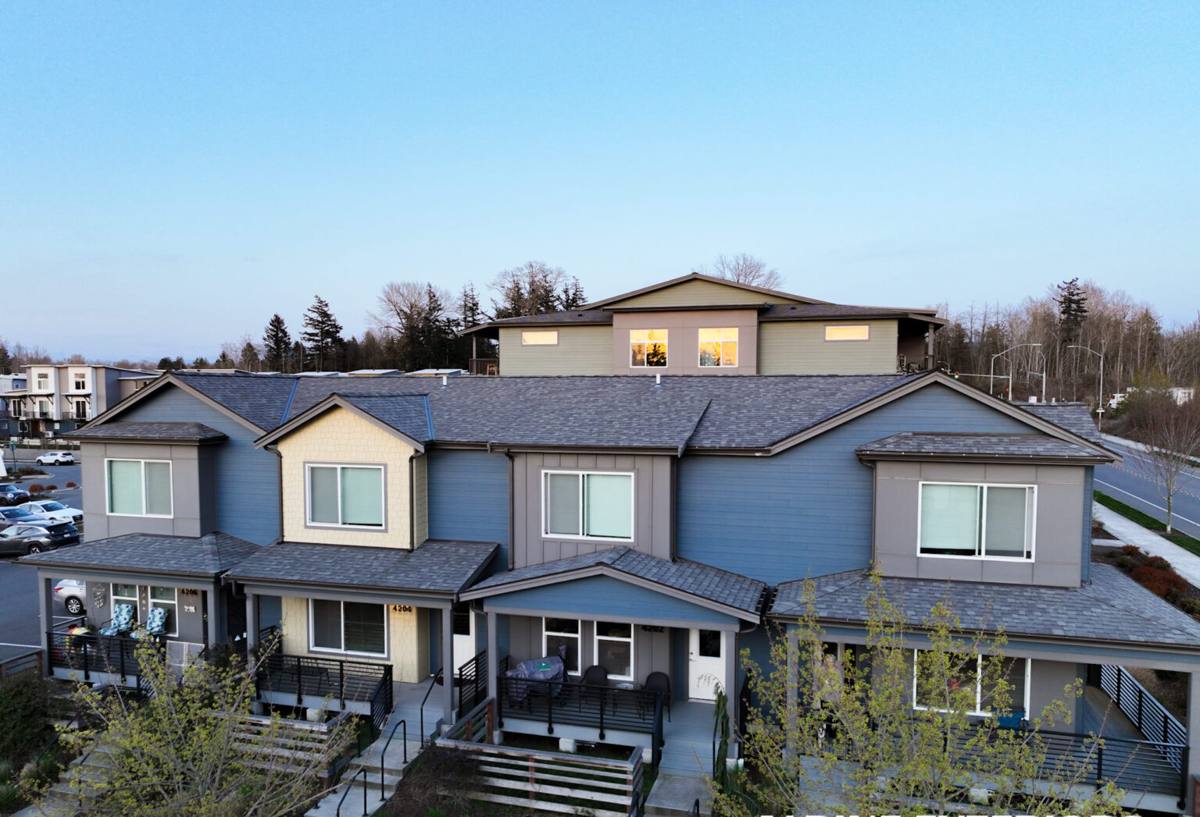
What Makes This a Local Job, Not a Generic One
A lot of window problems we get called out for in this part of Whatcom County aren't really window problems — they're installation and flashing problems that only show up after a few wet seasons. Custom work starts with an honest look at what's actually happening at each opening before we talk product.
What we check before recommending anything
- How exposed each wall is to wind-driven rain, and whether previous flashing or caulk work is holding up
- Signs of rot or soft framing around existing openings, which changes the scope from "replace glass" to "rebuild the opening"
- Whether the home has older, non-standard window sizes that a stock replacement won't fill correctly
- How much shade and moisture the specific wall sees — north-facing and tree-shaded walls need different sealing attention than sun-exposed ones
- Interior condensation or fogging, which usually points to a failed seal rather than a drafty frame
None of that shows up if you're just quoting a window off a spec sheet. It's the difference between a window that looks right on install day and one that's still performing correctly in five winters.
The Problems We Actually See on Kendall Homes
Most of the calls we get from this area fall into a short list of recurring issues, and almost all of them trace back to moisture management rather than the window unit itself failing outright.
Failed seals and fogged glass
Double-pane windows rely on a sealed gas gap between the panes. Once that seal breaks — usually from age, temperature cycling, or a manufacturing defect — moisture gets between the panes and you get permanent fogging. It's not fixable by cleaning; the sealed unit has to be replaced.
Wood rot at the sill and jamb
Older wood-frame windows, especially ones installed without proper flashing tape or with caulk as the only water defense, take on moisture at the bottom corners first. By the time you see paint bubbling or soft wood, the rot has usually been progressing for a while underneath.
Moss and organic buildup around frames
In shaded, tree-heavy yards, moss and algae don't just sit on the roof — they creep into window tracks, sills, and exterior trim, holding moisture against the frame material and accelerating whatever decay process is already underway.
Sticking sashes and worn hardware
Wood swells with moisture and shrinks as it dries out, which over years can throw a sash out of true. Vinyl and fiberglass are more dimensionally stable, but hardware still wears out and needs proper adjustment or replacement.
Choosing a Frame Material for This Climate
There's no single "best" window material — there are trade-offs, and the right call depends on your home's exposure, your maintenance appetite, and your budget. Here's how the common options actually compare for a wet, moss-prone climate like this one.
| Material | Moisture Behavior | Maintenance | Typical Fit |
|---|---|---|---|
| Vinyl | Won't rot or absorb water; seams are the main watch point | Low — occasional cleaning | Best value for most full-home replacements |
| Fiberglass | Very stable, minimal expansion/contraction with moisture and temperature swings | Low | Good for exposed walls and larger openings |
| Wood | Needs continuous protective finish; vulnerable at joints and sills if that finish fails | High — periodic refinishing | Traditional look, best for protected/covered walls |
| Wood-clad (wood interior, metal or vinyl exterior) | Exterior face resists moisture; interior still needs normal upkeep | Medium | A middle ground when the interior wood look matters |
| Aluminum | Doesn't rot, but conducts cold and can condense without a thermal break | Low | Less common for full-home residential use here |
For most Kendall homes, especially anything with real tree cover or a shaded north wall, we lean toward vinyl or fiberglass simply because they don't give moss and moisture a foothold to work with. Wood can still be the right call on a covered porch or a protected elevation where it isn't taking direct weather — it's about matching the material to the specific wall, not picking one product for the whole house by default.
Glass and Seal Options Worth Understanding
The frame gets most of the attention, but the glass package is doing a lot of the work against this climate's moisture and temperature swings.
- Double-pane with argon fill — the standard baseline now; the gas fill improves insulation over plain air-filled units
- Low-E coatings — a microscopic coating that helps manage heat transfer; useful year-round in a climate with cool, wet winters and mild summers
- Warm-edge spacers — the material separating the panes at the edge affects both insulation and how well the seal holds up over time; this matters more here than in a dry climate because seal failure is what causes most of the fogging calls we get
- Triple-pane — worth considering on north-facing or highly exposed walls where comfort and condensation resistance matter most, though it adds cost and weight
We'll walk through which combination actually makes sense for your specific openings rather than defaulting to the most expensive package — some walls don't need triple-pane, and some absolutely benefit from it.
How the Job Actually Goes
Every custom window job follows the same basic sequence, whether it's one window or a full-home replacement.
- On-site assessment — we measure each opening, check the condition of the existing framing, and look for moisture or rot issues before quoting anything
- Product selection — we go over frame material, glass package, and style options based on what that specific wall and opening need
- Removal — the old window comes out and we inspect the opening for hidden rot or flashing problems that weren't visible from outside
- Repair as needed — any soft or damaged framing gets addressed before the new window goes in; installing over a compromised opening just hides the problem
- Flashing and weatherproofing — proper flashing tape and sealant sequencing around the new unit, which is the single biggest factor in whether a window stays watertight for the next twenty years
- Installation and finish work — the window is set, shimmed, and secured, followed by interior and exterior trim work to match your home
- Final check — we confirm the unit operates smoothly and the seal and flashing are correctly done before we call the job finished
What "correct" flashing and sealing actually involves
- Housewrap or building paper integrated with the window flange, not just caulked over the top
- Flashing tape at the sill, jambs, and head in the right layering order — sill first, then sides, then head, so water sheds outward and down
- A sill pan or sloped sill detail so any water that does get past the exterior has somewhere to drain
- Backer rod and quality sealant at the exterior trim joints, not just a bead of caulk over a gap
- Insulation in the gap between the frame and rough opening — an underinsulated gap is a common source of both drafts and condensation
This is the part of the job that isn't visible once the trim goes back on, which is exactly why it's the part most likely to get rushed by a crew that's used to drier conditions or working from a checklist that doesn't account for this much sustained moisture.
Living With a Long Moss Season
Moss doesn't just grow on roofs. In shaded parts of Whatcom County, it works its way into window tracks, sits on exterior sills, and holds moisture against trim and caulk lines longer than open, sunny walls ever see. A few habits go a long way toward protecting a new window investment:
- Keep exterior sills and tracks brushed clear of moss and organic debris, especially heading into fall
- Trim back vegetation and tree limbs that keep a wall in constant shade and dampness
- Check caulk lines around trim once a year for cracking or separation, and address small gaps before they become water paths
- Clean weep holes on vinyl and fiberglass units so water draining out of the frame system isn't blocked
None of this replaces a correct installation, but it's cheap insurance that extends the life of one.
Rough Cost Factors
Every job is different, and we'll give you a real number after seeing your openings — but these are the main things that move price up or down on a custom window job in this area.
| Factor | Effect on Cost |
|---|---|
| Frame material (vinyl vs. fiberglass vs. wood) | Vinyl typically lowest, wood typically highest |
| Glass package (double-pane vs. triple-pane, Low-E options) | Upgraded glass adds cost but can be targeted to specific walls |
| Hidden rot or framing repair | Adds labor and material cost, usually not known until removal |
| Non-standard or custom sizing | Custom-built units cost more than stock sizes |
| Number of openings done at once | Full-home projects generally lower the per-window cost |
| Access and exterior trim complexity | Second-story, tight access, or ornate trim adds labor time |
We'd rather walk your home and give you an honest range for your actual openings than quote a number over the phone that won't hold up once we see the framing.
Why Hire a Crew That Already Works This Area
A window that's correctly installed in a dry inland climate can still fail early out here if the flashing and sealing detail doesn't account for how much sustained moisture this part of Whatcom County actually sees. That's not a knock on any particular product — it's a reminder that installation practice matters as much as the window itself, and installation practice should match the climate it's being done in.
Working regularly in and around Ferndale and communities like Kendall means we've already seen how different wall exposures, tree cover, and rain patterns play out over years, not just on install day. That shows up in the small decisions — how much flashing overlap to use, whether a sill pan is worth the extra step, which walls actually need triple-pane glass and which don't — that a generic install approach tends to skip.
If you're dealing with fogged glass, a sticking sash, or you're just ready to stop patching old windows, we're happy to take a look and give you a straightforward, no-pressure estimate. Use the form below to get started — there's no obligation, and you'll get a real assessment of what your home actually needs.