 Ferndale Window
 Building New in Everson Means Getting the Window Package Right the First Time
Everson sits inland from Ferndale in Whatcom County, close enough to the Nooksack River corridor and the open farmland around it that new construction here deals with a specific mix of weather: driving rain off the water, damp low-lying air that keeps everything wet longer than it looks, and a moss season that stretches most of the year. On a new build, the window package isn't something you fix later without tearing into finished walls. Get the flashing, the glass package, and the frame material right during construction, and you avoid the callbacks that plague retrofits ten years down the road.
We work new-construction jobs in and around Everson and Ferndale regularly — framing crews, general contractors, and owner-builders who want a windows subcontractor who understands regional building practice, not a big-box installer reading a manual for the first time on your site.
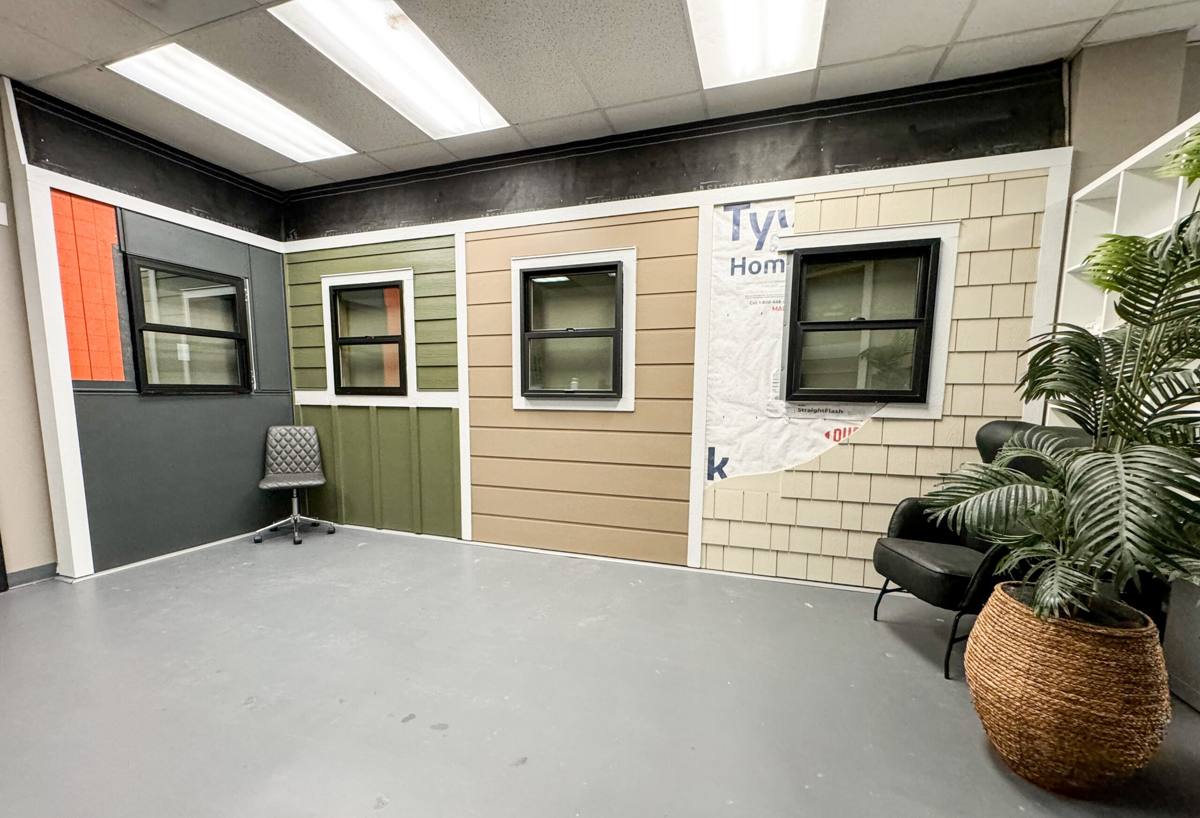
What Whatcom County Weather Actually Does to New Windows
New windows fail early for a small number of predictable reasons, and almost all of them trace back to installation, not the window itself:
- Driving rain finds gaps. Whatcom County storms come in sideways off the water more often than straight down. A window that would be fine in a drier inland climate can leak here if the flashing sequence isn't layered correctly.
- Moss and algae hold moisture against surfaces. A long moss season means anything that traps standing moisture — bad sill pitch, missing weep paths, wood trim without a drainage plane — stays wet for weeks at a time instead of drying between rains.
- Salt-tinged air accelerates corrosion. Being close enough to the coast, hardware, fasteners, and lower-grade metal components corrode faster here than in a dry inland climate. Cheap fasteners are a false economy.
- Temperature swings stress seals. Cool damp mornings followed by afternoon warmth put ongoing stress on seals and glazing compounds, which is why glass package and installation sealant quality matter more here than in milder climates.
On a new build, you get one chance to build the water management plan around these facts before siding and trim close it all in.
Why This Matters More on New Construction Than Replacement
On a retrofit, we're working around an existing rough opening and often correcting someone else's mistakes. On new construction, the rough opening, the weather-resistive barrier (WRB), and the flashing sequence are all being built at the same time we're setting windows. That's an advantage — done right, the window becomes one continuous part of the building envelope rather than a patched-in afterthought. It also means there's no excuse for shortcuts, because every layer is accessible before it gets covered.
What a Correct New-Construction Window Install Involves
New-construction windows are typically nail-fin units set into the rough opening before or during siding installation. The window itself is only part of the job — the sequence around it is what determines whether the house stays dry for the next 30 years.
The Sequence We Follow
- Rough opening check. Confirm the opening is square, level, and sized correctly to spec before anything goes in.
- Sill pan flashing. A sloped or pre-formed sill pan directs any water that gets past the window back outside the wall assembly, rather than letting it pool at the sill framing.
- Jamb and head flashing integration. Flashing tape and house wrap are layered shingle-style — each layer overlapping the one below it — so water sheds downward and outward, never into the wall cavity.
- Window set and fastening. The unit is set plumb, level, and square, then fastened per manufacturer spec. Under- or over-driving fasteners is a common cause of frame distortion and seal failure.
- Nail-fin integration with the WRB. The nail fin is taped and integrated into the weather-resistive barrier so the window becomes a continuous part of the drainage plane, not a separate element sitting on top of it.
- Interior air seal. A proper low-expansion foam or backer rod and sealant at the interior gap controls air leakage and condensation risk without bowing the frame.
- Final check. Operation, seal, and squareness are verified before trim and siding close the opening for good.
Skip or rush any one of these steps and the window may look fine on day one, and still leak or fail in year three.
Choosing a Glass and Frame Package for This Climate
Not every window line is a good fit for Whatcom County's combination of driving rain, long damp seasons, and salt-tinged air. We steer new-construction clients toward products with a track record for regional moisture performance and warranty structures that actually mean something if a seal fails down the line.
| Factor | Why It Matters Here |
|---|---|
| Frame material | Vinyl and fiberglass resist moisture and corrosion better than bare wood in a damp, moss-prone climate; wood-clad options need a maintained exterior cladding to hold up long-term. |
| Glass package (Low-E, gas fill) | Helps control condensation on cool, damp mornings and improves comfort during temperature swings between morning and afternoon. |
| Hardware and fastener grade | Corrosion-resistant hardware matters more this close to the coast than it would inland. |
| Nail-fin design | A fin that integrates cleanly with common WRB and flashing tape products reduces the chance of installation errors. |
| Warranty structure | Look for coverage that addresses seal failure and glass fogging, not just frame defects — these are the failure modes we see most in this climate. |
We'll walk through options with you based on your budget, the home's design, and how exposed the site is to wind-driven rain, rather than pushing one brand regardless of fit.
Coordinating with Your Builder or GC
New-construction window work only goes smoothly when it's coordinated with the framing and siding schedule. A few things we handle as a matter of course:
- Confirming rough opening dimensions against approved window schedules before units are ordered, to avoid delays waiting on special sizes
- Timing our install between dry-in and siding so flashing integrates cleanly with the WRB
- Communicating directly with your GC or framing crew on any opening corrections needed before we set windows
- Protecting installed units from job-site damage (overspray, debris, foot traffic) through the rest of construction
- Walking the finished openings with your GC before siding closes them in, so any issue is caught while it's still fixable
If you're an owner-builder managing the project yourself, we can also act as the point of contact for window scheduling and answer the framing and flashing questions that come up along the way.
Common New-Construction Window Mistakes We Catch
Missing or Improper Sill Pans
Some crews skip sill pan flashing on the assumption that house wrap alone will handle water management. In a climate with as much driving rain as Whatcom County sees, that's not enough protection at the most vulnerable point in the opening.
Reverse-Lap Flashing
Flashing tape applied out of shingle order — lower layers overlapping upper ones — funnels water into the wall instead of away from it. It's a mistake that's invisible until the first hard storm.
Over-Driven Fasteners
Fasteners driven too tight can bow vinyl or fiberglass frames just enough to compromise the seal, even though the window still looks and operates fine at handoff.
Wrong Sealant for the Substrate
Not every exterior sealant bonds well to every siding or trim material. Using the wrong product at the window perimeter is a common source of early caulk failure and the hairline gaps that let moisture in over time.
What to Expect Working with Us on a New Build in Everson
We quote new-construction window packages off your plans, including product selection, count, and any special sizes. On site, we follow the flashing and sequencing steps above regardless of which framing crew we're coordinating with, because that consistency is what keeps callbacks low. We also stand behind our installation work separately from the manufacturer's product warranty, so if something related to our install needs attention, you're not stuck arguing with a call center.
Because we work new construction across Ferndale and Whatcom County regularly, we're familiar with the inspection expectations local jurisdictions apply to window and flashing details, and we build our sequence to hold up to that scrutiny rather than treating it as an afterthought.
Ready to Talk Through Your Everson Build?
Whether you're a homeowner managing your own build or a contractor lining up subs, we're happy to look at your plans and talk through the right window package for the site. Reach out for a free, no-pressure estimate using the form below.