 Ferndale Window
 Windows Built for Island Living, Not Just Island Views
Lummi Island homes deal with a version of Whatcom County weather that's more concentrated than what you'll find a few miles inland in Ferndale or Bellingham. Being surrounded by water means more wind, more salt in the air, and more direct exposure to driving rain off the Sound. Add in the shaded, damp corners that never quite dry out during our long moss season, and you've got a set of conditions that will find every weakness in a window within a few years — not decades.
Energy-efficient windows done right aren't just about a lower heating bill, although that matters here too. On an island where every board, fastener, and pane of glass has to make the same trip you do, getting the installation right the first time saves homeowners from repeat repairs, rot behind trim, and premature seal failure. This page is about what that actually looks like for a Lummi Island property specifically.
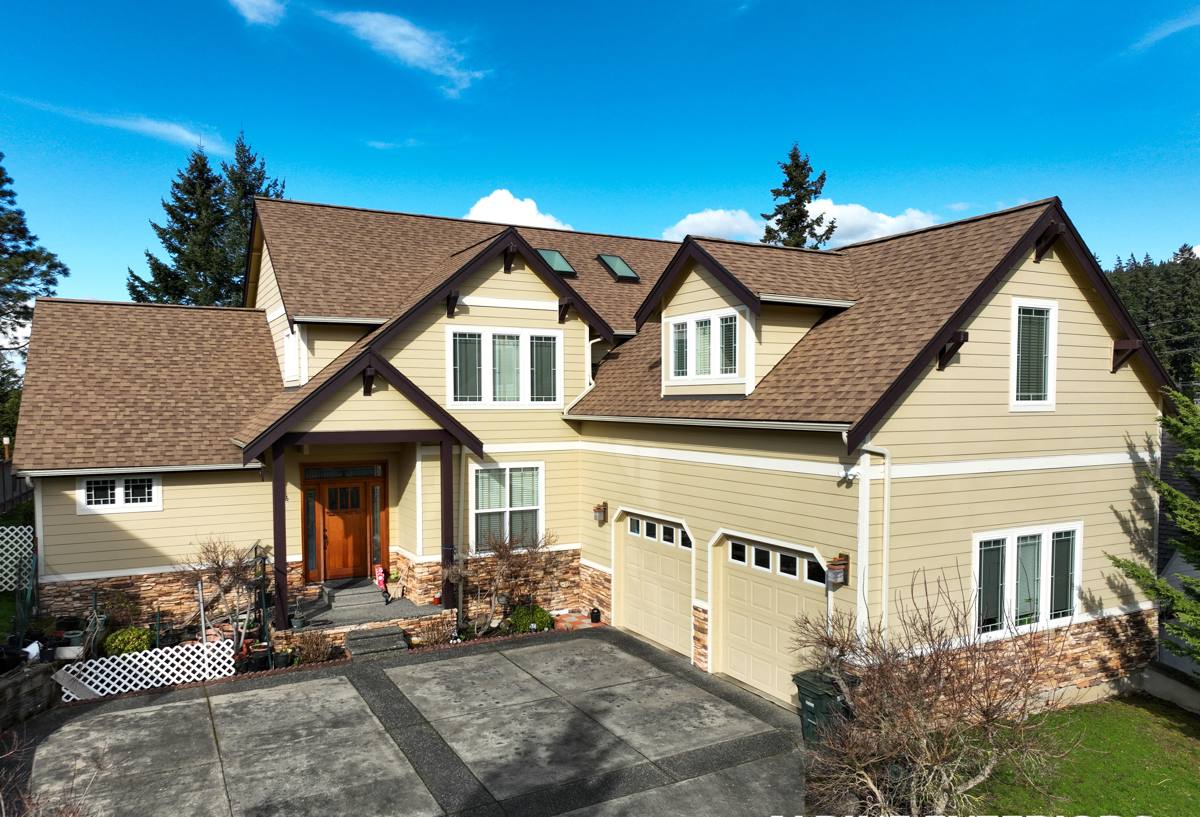
What the Marine Climate Does to Windows Over Time
Salt Air and Hardware
Airborne salt is corrosive to unprotected metal. Over years, it can pit and seize window hardware — locks, cranks, hinges, and balance mechanisms — especially on the side of a house facing open water. Cheaper hardware finishes and mild steel fasteners tend to show this first, sometimes within just a handful of seasons on a heavily exposed elevation.
Wind-Driven Rain
Rain that falls straight down is a much easier problem to solve than rain that's being pushed sideways by wind off the water. Wind-driven rain finds gaps in flashing, worn weatherstripping, and old sealant joints that would never leak in a more sheltered location. This is the number one cause of the water staining and soft trim we see around older windows on exposed sides of island homes.
Moss and Shade
North-facing walls and anything tucked under tree cover stay damp far longer after a storm than a sun-facing wall does. That extended dampness is what lets moss and algae get a foothold on sills, trim, and cladding — and once organic growth is holding moisture against wood or degraded caulking, it accelerates rot rather than just being a cosmetic nuisance.
Temperature Swings and Condensation
Marine climates like ours don't see extreme cold, but the constant damp and temperature swings between day and night make condensation a regular occurrence on poorly insulated glass. Persistent interior condensation is often the first visible sign that a window's seal or insulating value has broken down.
What Correct Energy-Efficient Window Installation Involves
"Energy-efficient" is only as good as the installation underneath it. A high-performance window installed with poor flashing will leak and rot the same way a cheap one would — it just costs more to replace when it fails. A correct job includes:
- Removing the old window and inspecting the rough opening and surrounding framing for hidden water damage or rot before anything new goes in
- Repairing or rebuilding any compromised framing rather than installing over it
- Installing proper flashing — head flashing, sill pan, and side flashing — sequenced so water is always directed outward and downward
- Setting the window level, plumb, and square, with correct shimming so the frame isn't under stress
- Sealing and insulating the gap between the window frame and the rough opening without overpacking it, which can bow the frame
- Finishing with weather-resistant sealant and trim details suited to the exposure on that specific elevation
On exposed or shaded elevations common around Lummi Island properties, we pay particular attention to sill pan flashing and drainage paths, since this is where wind-driven rain and prolonged dampness cause the most damage over time.
Glazing and Frame Performance
Beyond the installation itself, the window unit's own construction determines how it performs over the long run in a coastal setting.
| Feature | Why It Matters Here |
|---|---|
| Low-E, dual or triple-pane glass | Reduces heat loss and interior condensation risk during damp, cool stretches |
| Corrosion-resistant hardware | Locks, cranks, and hinges hold up longer against salt air exposure |
| Reinforced weatherstripping | Maintains a tight seal against wind-driven rain over years, not just at install |
| Frame material | Affects moisture tolerance, expansion/contraction behavior, and long-term maintenance needs |
| Warranty structure | Clarifies what's covered on seal failure, hardware corrosion, and glass defects |
How We Approach a Lummi Island Window Project
1. On-Site Assessment
We start by walking the exterior and looking at each elevation individually. A window on the water-facing side of a house is dealing with a different set of stresses than one tucked under a covered porch or shaded by trees, and the right product and detailing can vary window to window on the same house.
2. Product Selection
We talk through frame material, glazing package, and hardware options based on that specific elevation's exposure, your budget, and how the home is used — full-time residence versus a seasonal or weekend property changes some of these tradeoffs.
3. Removal and Prep
Old units come out carefully so we can inspect the framing underneath. If we find rot or water damage — which is common on older homes with original or aging windows — we address it before installing anything new. Installing a new window over a compromised opening just hides the problem temporarily.
4. Installation and Flashing
Each window is set, flashed, and sealed following a consistent sequence so water is always shed outward, never trapped behind the trim.
5. Cleanup and Walkthrough
We clean up the work area and walk through operation, care, and warranty coverage with you before we consider the job finished.
Choosing Windows by Exposure
Not every window on a Lummi Island home needs the same specification. Matching the product to the elevation avoids paying for protection you don't need in one spot while under-protecting a more exposed one.
| Exposure | Primary Concern | What to Prioritize |
|---|---|---|
| Direct water-facing elevation | Wind-driven rain, salt air | Corrosion-resistant hardware, reinforced flashing detail |
| Shaded or tree-covered side | Prolonged dampness, moss/algae | Durable sill material, good drainage detailing |
| South or west-facing, sun-exposed | Heat gain, UV wear on seals | Low-E glazing, UV-stable weatherstripping |
| Sheltered/interior courtyard sides | Lower wear, standard exposure | Standard efficiency package is often sufficient |
Why It Matters to Hire a Crew That Already Works on Lummi Island
Getting to and from the island adds a layer of planning that mainland jobs don't have. Materials, crew, and equipment all have to be timed around the ferry crossing, which means a contractor who hasn't worked on the island before is more likely to underestimate scheduling, show up with the wrong materials on hand, or lose a day to logistics they didn't plan for. A crew that's done island jobs before builds that timing into the schedule from the start, so the project moves at the pace it was quoted at.
There's also a practical materials question: window units, flashing components, and trim all need to arrive complete and correct, because a forgotten piece isn't a quick trip back to the shop — it's another crossing. Planning deliveries around that reality is part of doing the job professionally on an island property.
What to Ask Before You Hire
- Have you completed installations on Lummi Island or similar water-exposed properties before?
- How do you handle scheduling and materials logistics around the ferry crossing?
- What's your flashing and sill pan detail for a water-facing wall?
- What warranty coverage applies to hardware corrosion versus glass seal failure?
- Will you inspect and repair rough opening framing if damage is found, or install over it?
Maintaining Energy-Efficient Windows in This Climate
Even a correctly installed window benefits from routine attention in a marine environment. A short seasonal checklist goes a long way:
- Rinse salt residue off frames and glass periodically, especially on water-facing elevations
- Lubricate hardware — locks, cranks, hinges — on a regular schedule to fight corrosion
- Clear moss and organic debris from sills and tracks before it holds moisture against the frame
- Check exterior caulking and sealant annually for cracking or separation
- Watch for interior condensation between panes, which can signal seal failure
- Keep gutters and nearby drainage clear so water isn't sheeting down over window heads
What Affects the Cost of a Project Like This
Every home and every window opening is different, so we don't quote by phone — but these are the factors that typically move the price on a Lummi Island project:
| Factor | Why It Affects Cost |
|---|---|
| Number and size of window openings | Directly scales material and labor |
| Condition of existing framing | Rot or water damage found during removal adds repair work |
| Frame material and glazing package chosen | Higher-performance products cost more upfront |
| Exposure and elevation detailing | Water-facing sides often need more thorough flashing work |
| Site access and logistics | Ferry scheduling and delivery timing factor into project planning |
If you're weighing options for windows on a Lummi Island property, we're happy to walk the house with you, look at each elevation, and put together a straightforward, no-pressure estimate. There's a form below — reach out and we'll get a visit scheduled around the crossing.