 Ferndale Window
 Deck Replacement in Blaine: Built for What the Coast Throws at It
Blaine sits right up against the water, and that proximity to Semiahmoo Bay and the Strait of Georgia means homes here take on a different kind of weathering than you'd see further inland in Whatcom County. Salt-laden air corrodes fasteners and hardware faster than a dry climate ever would. Driving rain off the water finds every gap in flashing and every unsealed joint. And the long, damp moss season that runs from fall through spring keeps deck surfaces wet for months at a time, which accelerates rot in anything that isn't detailed correctly. A deck built without those conditions in mind might look fine for a few years and then fail all at once — soft boards, rusted-through brackets, a ledger board that's been quietly rotting behind the siding.
We're based out of Ferndale and work Blaine regularly, so this isn't theoretical for us. It's the same salt air, the same rain patterns, and the same moss growth we deal with on jobs a few miles up the road. A deck replacement done right here has to account for all of it from the ground up, not just get new boards down over an old problem.
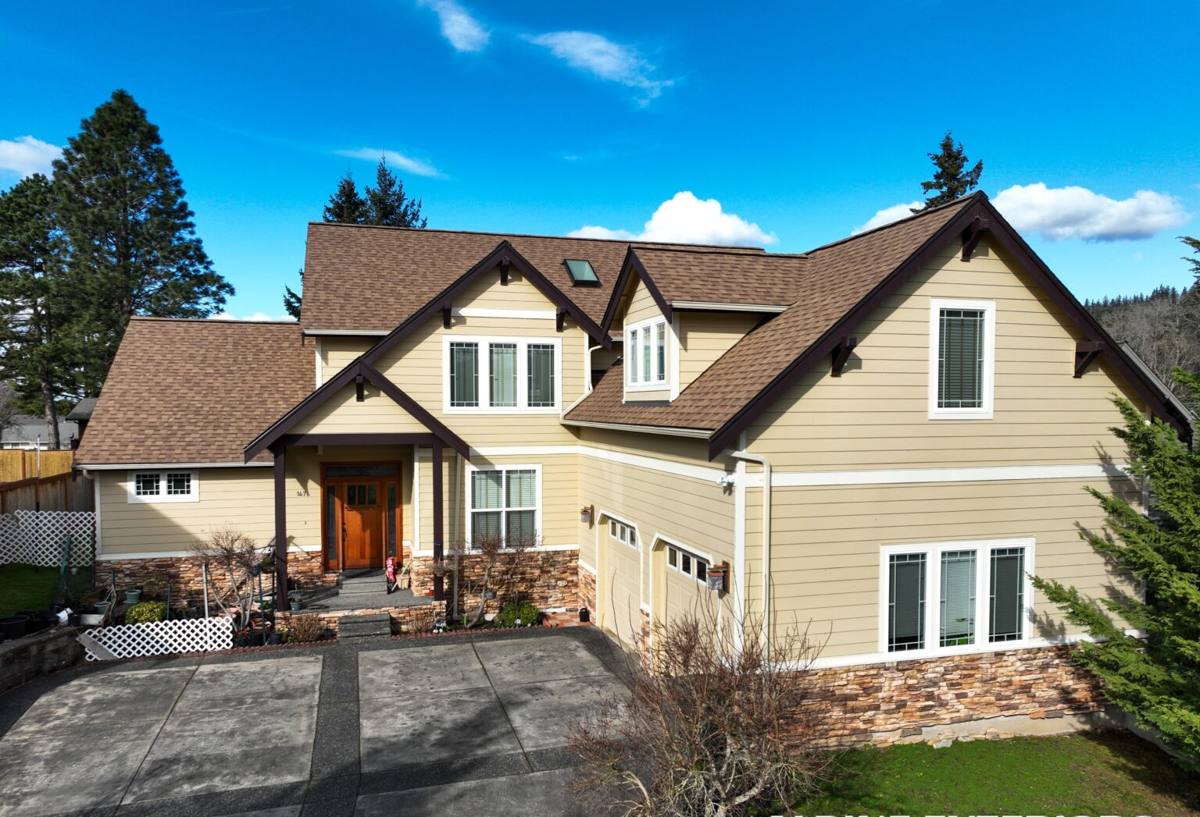
Signs Your Blaine Deck Needs Replacement, Not Repair
Not every tired-looking deck needs a full tear-out. But there's a point where patching individual boards stops making sense — either because the structure underneath is compromised, or because the cost of piecemeal repairs starts to rival a full replacement anyway. Here's how we sort that out on a first visit:
- Soft or spongy spots when you walk the deck, especially near the house or around post bases — usually a sign of rot in the framing, not just the surface boards
- Visible rust streaking from screws, joist hangers, or bolts — a strong indicator the hardware is failing, which is common in salt-exposed coastal settings
- Gaps or separation where the deck meets the house — often points to ledger board problems, which is a structural safety issue, not cosmetic
- Persistent moss or algae growth that comes back within weeks of cleaning — a sign the deck isn't drying out between rain events, which accelerates decay underneath
- A deck older than 15–20 years built with older-generation treated lumber and galvanized (not coated) fasteners — the hardware is usually the first thing to go
- Railings that flex or feel loose — a safety concern that often means the post connections have deteriorated
If we see one or two of these, repair might still be the right call. If we see several at once, or the framing itself is compromised, replacement is usually the more honest recommendation — repairing around rotten framing just delays the real cost.
What a Correct Deck Replacement Involves
Structural Assessment and the Ledger Connection
The ledger board — where the deck attaches to the house — is the single most important connection on the whole structure, and it's also the part most prone to hidden rot because water tends to collect right where the deck meets the siding. A correct replacement means pulling back siding as needed to inspect the rim joist and wall framing behind it, not just bolting a new ledger to whatever's already there. Flashing gets installed properly at this joint to direct water away from the house, which is one of the most common details that gets skipped on lower-quality work and is exactly the kind of shortcut that causes hidden damage in a climate like ours.
Framing and Footings
Joists, beams, and posts all get sized and spaced to current code requirements, and footings are checked or replaced if they've shifted or aren't deep enough for the load. In wetter, moss-prone ground, we also pay attention to grading and drainage around the footings so water isn't sitting against the posts year-round.
Fasteners and Hardware
This is where a lot of decks fail early in coastal areas, and it's an easy thing to get wrong if a crew isn't used to salt air conditions. We use stainless steel or coated fasteners and hardware rated for the corrosive exposure this area sees, rather than standard galvanized hardware that can start rusting within a few seasons near the water.
Decking Surface and Railings
Once the structure is sound, the decking material and railing system go on. This is where homeowners have the most choices to make, and where the trade-offs between appearance, maintenance, and long-term moisture performance really matter — covered in more detail below.
Choosing Decking Material for Salt Air and Moss
There's no single "best" decking material — it depends on how much maintenance you're willing to do, your budget, and how much you value low upkeep versus the look of natural wood. Here's how the common options compare for a Blaine-area job specifically:
| Material | Moss/Moisture Resistance | Maintenance | Typical Lifespan |
|---|---|---|---|
| Pressure-treated wood | Good if sealed regularly; moss and algae can take hold in shaded, damp spots without upkeep | Annual cleaning and resealing recommended | 15–20 years with maintenance |
| Cedar | Naturally moisture-resistant but still needs sealing to prevent graying and moss buildup near the coast | Regular cleaning and periodic staining/sealing | 15–20 years with maintenance |
| Composite decking | Strong resistance to moisture and rot; some early composite products had moss/algae issues in shaded, damp climates, which manufacturers have addressed in newer capped formulations | Occasional washing, no sealing or staining | 25–30+ years, manufacturer-dependent |
| PVC decking | Fully synthetic, doesn't absorb moisture, resists rot outright | Low — occasional washing | 25–30+ years, manufacturer-dependent |
We install both quality wood and composite/PVC systems, and we'll give you a straight answer on which fits your situation rather than pushing whatever's easiest for us to install. For a shaded, north-facing deck that stays damp most of the year, we're more likely to steer you toward a capped composite or PVC product because it holds up better against the moss cycle without constant upkeep. For a sunnier spot where you want the look and feel of real wood and don't mind the yearly maintenance, cedar or treated lumber is a perfectly sound choice — it just needs to be sealed and cleaned on a schedule to actually last.
Our Process for a Blaine Deck Replacement
1. On-Site Assessment
We walk the existing deck with you, check the framing, ledger, and footings, and give you a straight read on whether you're looking at repair or full replacement — and why.
2. Design and Material Selection
We talk through layout, railing style, and decking material based on how the space is used, how much sun and moisture it gets, and your maintenance preferences.
3. Permitting
Deck replacements in Whatcom County typically require a permit, especially when footings, framing, or the ledger connection are being rebuilt. We handle that process as part of the job so it's not something you have to chase down yourself.
4. Demolition and Rebuild
Old decking, framing, and hardware come out; the structure gets rebuilt from the footings up with corrosion-resistant fasteners and correctly flashed ledger connections throughout.
5. Final Walkthrough
Before we consider the job done, we walk it with you — checking railings, stair treads, and surface fastening — so you know exactly what was done and what to expect from the material going forward.
Why a Local Ferndale Crew Matters for a Job Like This
Deck work in a coastal Whatcom County setting isn't the same trade as deck work in a dry inland climate, and a crew that mostly works elsewhere can miss the details that matter here — flashing at the ledger, fastener selection, drainage under the structure. We work Ferndale, Blaine, and the surrounding area regularly, so the coastal exposure, the rain patterns, and the moss cycle aren't a surprise to plan around after the fact — they're just part of how we build the job from the start. That also means we're not disappearing to the next region once the project wraps; if something needs a look a year or two down the road, we're still local.
Keeping a New Deck in Good Shape
Whatever material you choose, a little seasonal attention goes a long way in this climate. A simple maintenance routine for a Blaine-area deck:
- Sweep leaves and debris off the surface regularly, especially in fall — trapped moisture under leaf litter is one of the biggest drivers of moss growth
- Clean the deck surface at least once a year with a wood- or composite-safe cleaner to remove algae and moss before it takes hold
- For wood decks, reseal or restain on the schedule recommended for your specific product — usually every 1–2 years in this climate
- Check railing posts and stair connections annually for looseness
- Keep gutters and downspouts near the deck clear so runoff isn't draining directly onto or under the structure
- Trim back vegetation that keeps the deck surface shaded and damp longer than necessary
What Affects the Cost of a Deck Replacement
| Factor | Why It Matters |
|---|---|
| Deck size and layout | Square footage and complexity (multiple levels, angles, built-in features) drive labor and material quantities |
| Decking material | Treated wood costs less upfront; composite and PVC cost more initially but less in long-term maintenance |
| Structural condition | Rotten framing, footings, or ledger issues add rebuild scope beyond just resurfacing |
| Railing style | Standard wood railings cost less than metal, cable, or glass systems |
| Permitting and inspection | Required for most structural rebuilds in Whatcom County; adds time but is part of doing the job correctly |
| Site access | Decks on slopes, over water-adjacent terrain, or with limited equipment access can add labor time |
We give a firm, itemized quote after the on-site assessment rather than a rough number over the phone, because the framing condition and material choice affect the price more than almost anything else.
If your deck in Blaine is showing its age — or you just want an honest read on whether it needs repair or full replacement — we're happy to come take a look. Fill out the form below for a free, no-pressure estimate.