 Ferndale Window
 Custom Windows Built for the Nooksack Area
Nooksack sits inland from Ferndale along the river valley, and homes out here deal with a specific mix of conditions: heavy seasonal rain, high ambient humidity, long stretches of overcast weather, and the moss and mildew growth that comes with all of it. Whatcom County's marine-influenced climate doesn't spare the river valley communities just because they're a few miles from saltwater — the moisture load is just as real, and it shows up in window frames, sills, and glazing seals before most homeowners notice anything else going wrong.
Custom windows for this area aren't just about picking a style out of a catalog. It's about specifying the right frame material, the right glazing package, and the right installation detail for a house that will spend a good chunk of the year sitting in damp air and driving rain. That's the lens we bring to every Nooksack project.
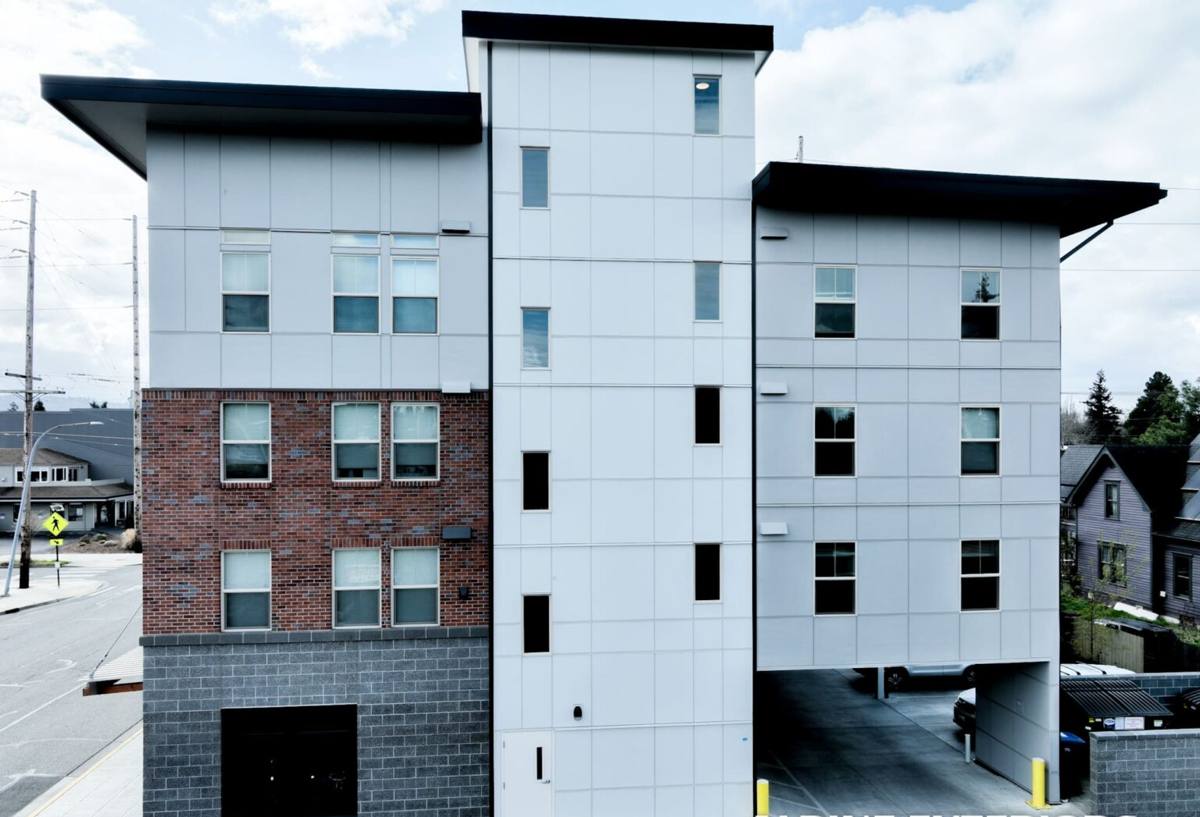
What Nooksack's Climate Does to Windows
Before talking about products, it's worth being honest about what's actually working against a window system out here year-round:
- Driving rain: Wind-driven rain finds any gap in flashing or sealant, and it doesn't take a storm — a few seasons of steady exposure is enough to start a slow leak.
- Extended moisture exposure: Long wet seasons mean wood components, uncapped trim, and porous caulking joints stay damp far longer than they would in a drier climate, which accelerates rot and seal failure.
- Moss and organic growth: Shaded exteriors, tree cover common in this area, and near-constant humidity create ideal conditions for moss and mildew to take hold on frames, sills, and exterior trim.
- Condensation: Temperature swings between damp outside air and heated interior air during the colder months can cause interior condensation on poorly performing glass, which over time damages sills and surrounding drywall.
None of this is unique to any one house — it's the baseline reality of building envelope maintenance in this part of Whatcom County. The difference between a window installation that holds up and one that doesn't usually comes down to material choice and installation detail, not the base cost of the window itself.
Frame Material: What Actually Holds Up Here
We get asked often whether wood, vinyl, or fiberglass is "best." The honest answer is that it depends on maintenance tolerance and how the frame is detailed, but in a high-moisture area like Nooksack, some materials carry more risk than others if they're not properly maintained.
Wood-frame windows
Wood offers the best insulating properties and a traditional look many older Nooksack farmhouses and area homes were originally built with. The trade-off is real: exposed or poorly clad wood exteriors need regular repainting and caulk maintenance to keep moisture out. We don't recommend unclad wood exteriors in this climate unless the homeowner is committed to a real maintenance schedule — it's a professional standard we hold to, not a knock on wood as a material.
Vinyl-frame windows
Vinyl is the most moisture-tolerant option and requires the least upkeep, which makes it a practical default for many homeowners here. Quality varies a lot between manufacturers — wall thickness, reinforcement, and weld quality at the corners all affect how well a vinyl frame resists warping over the long term in a wet climate.
Fiberglass and composite frames
Fiberglass expands and contracts at close to the same rate as glass, which reduces seal stress over time and holds paint well if a custom color is wanted. It costs more upfront but tends to need less attention over its life, which matters on a house that already sees a lot of weather.
Clad-wood windows
Aluminum- or vinyl-clad wood gives you the wood interior look with a weather-resistant exterior shell. This is a common middle-ground choice for Nooksack homeowners who want the traditional interior appearance without the exterior maintenance burden of bare wood.
| Frame Type | Moisture Tolerance | Maintenance | Best Fit |
|---|---|---|---|
| Vinyl | High | Low | Budget-conscious, low-maintenance priority |
| Fiberglass/Composite | High | Low-Moderate | Long-term durability, custom color |
| Clad-Wood | Moderate-High | Moderate | Traditional interior look, exterior protection |
| Bare Wood | Low (unmaintained) | High | Period-accurate restoration, active upkeep planned |
Glazing and Seals: Where Most Failures Actually Start
Frame material gets most of the attention, but the glazing unit and the seal around it are where we see the most moisture-related failures in this area. A double- or triple-pane insulated glass unit relies on a perimeter seal to keep the gas fill in and moisture out. Once that seal starts to fail — often from years of thermal cycling and damp exposure — you get fogging between the panes, which is not repairable and means the glass unit needs replacing.
For Nooksack homes, we generally recommend:
- Warm-edge spacer systems rather than older metal spacers, since they perform better through temperature swings and resist seal fatigue longer.
- Low-E coatings suited to our climate, which help with both winter heat retention and reducing solar gain on the rare sunny days.
- Argon or krypton gas fills for improved insulating performance, especially on larger custom sizes.
Installation Detail Matters More Than the Window Itself
We say this to every homeowner we work with: a well-built window installed poorly will leak, and a mid-grade window installed correctly will outperform it. The installation details that matter most in a wet climate like this are the ones you never see once the trim is back on:
Flashing and drainage
Proper window flashing directs any water that gets behind the exterior cladding back out, rather than letting it pool at the sill. This is non-negotiable on any custom install we do, regardless of frame material.
Sealant selection and placement
Not every sealant is rated for the same movement and exposure. We use products matched to the substrate and expected exposure, and we don't rely on caulk alone to do a flashing detail's job.
Sill pan protection
A sill pan under the window rough opening gives any water that does get past the primary defenses a way out instead of a place to sit and rot the framing.
Proper shimming and squaring
A window that isn't shimmed level and square will stress its own seals prematurely and may not operate smoothly for its full service life.
Custom Sizing and Shapes for Nooksack Homes
"Custom" windows aren't only about non-standard shapes — most of our custom work in this area is driven by replacing openings in older homes that don't match modern standard sizes, or homeowners wanting to change a window's proportions during a remodel. We handle:
- Non-standard rough openings common in older area homes
- Combination units (picture windows flanked by operable units)
- Arched, specialty-shaped, or larger-than-standard openings
- Room additions or remodels where window placement is changing along with the structure
Custom sizing means more precise measurement and often a longer lead time from the manufacturer, but it also means the finished opening is built for your house specifically, not adapted to fit a stock size.
Our Process for a Nooksack Window Project
- On-site assessment: We look at existing frame condition, signs of past moisture intrusion, and how the current windows are performing before recommending anything.
- Product selection: Based on your budget, maintenance preference, and the specific exposure of your home, we walk through frame and glazing options rather than pushing one default product.
- Precise measurement: Especially important on custom or older openings where nothing may be perfectly square anymore.
- Removal and prep: Old units come out carefully, and we inspect the rough opening for hidden rot or damage before anything new goes in.
- Flashing, sill pan, and sealant installation: The unglamorous part that determines whether the window stays dry for the next twenty years.
- Window installation and shimming: Set level, square, and plumb, with fasteners placed per manufacturer specification.
- Interior and exterior trim finishing: Matched to your home's existing details or updated as part of the project scope.
- Final walkthrough: We check operation, seals, and finish work with you before calling the job done.
Why Local Experience in This Area Matters
A crew that regularly works Nooksack and the surrounding Ferndale area already knows what this climate does to a window installation over time — not from a textbook, but from having gone back to look at work done in prior years and seeing what actually holds up. That experience shapes which flashing details we insist on, which sealants we trust for this exposure, and which frame materials we steer homeowners toward or away from depending on how much upkeep they want to take on.
It also means we're not learning the quirks of the area on your project. Older homes in this part of Whatcom County often have their own rough-opening sizing, framing quirks, and prior repair history, and having seen that pattern repeatedly makes the assessment and installation more accurate from the start.
A Simple Pre-Project Checklist
If you're considering window replacement on a Nooksack-area home, these are worth walking through before you get quotes:
- Note any rooms with visible condensation, fogging between panes, or drafts
- Check exterior trim and sills for soft spots, discoloration, or moss buildup
- Decide your maintenance tolerance — low-upkeep vinyl/fiberglass versus higher-maintenance wood exteriors
- Think about whether you want to change any window sizes or shapes as part of the project
- Ask any contractor specifically how they handle flashing and sill pan details, not just what brand of window they sell
Getting Started
If you're weighing a window project for a Nooksack-area home, we're glad to walk through what your house specifically needs given its exposure, age, and condition. There's a free, no-pressure estimate form below — reach out and we'll take a straightforward look at your options.