 Ferndale Window
 New Roof Installation Built for Custer's Coastal Weather
Custer sits close enough to the water that salt air is part of daily life, and far enough from the mountains that the weather coming off the Strait rolls straight through with wind-driven rain behind it. A roof out here isn't just shedding water — it's fighting corrosion, constant dampness, and a moss season that can run most of the year. When it's time for a new roof, the goal isn't just to get something watertight on top of the house. It's to install a system that's actually built for what Whatcom County throws at it, season after season.
This page covers what a full roof replacement looks like specifically for homes in and around Custer — the conditions your roof is up against, what a correct installation includes, and how we approach the job from tear-off to final inspection.
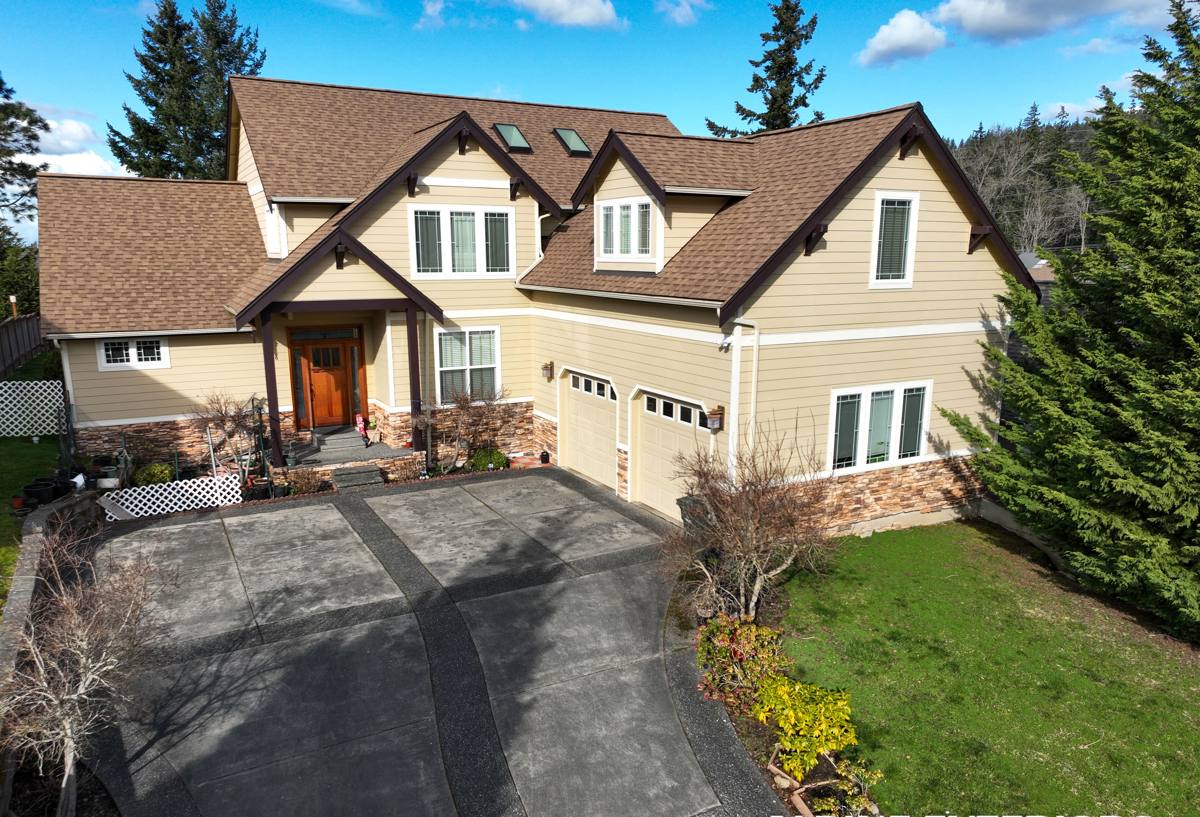
What Custer's Climate Actually Does to a Roof
Every region has its own roofing challenges. Out here, the combination is fairly specific:
Salt Air and Metal Fatigue
Proximity to Puget Sound and the Strait of Georgia means airborne salt settles on everything, including roof flashing, fasteners, and metal accents. Lower-grade or untreated metal corrodes faster near the coast than it would even twenty or thirty miles inland. Fastener and flashing choice matters more here than in a drier, inland part of the state.
Driving Rain, Not Just Rain
Wind-driven rain doesn't behave like a straight-down shower. It gets pushed up under shingle tabs, into exposed nail heads, and along poorly lapped flashing. A roof that would hold up fine in a calmer climate can leak here if the underlayment, flashing details, and shingle exposure aren't done with wind-driven moisture specifically in mind.
Long Moss and Lichen Season
Cool, damp, and shaded conditions for much of the year make Whatcom County prime territory for moss and lichen growth on roofing. Moss isn't just cosmetic — it holds moisture against the roofing material, works its way under shingle edges, and shortens the life of whatever's underneath it. North-facing slopes and roofs shaded by trees are especially prone to it.
Temperature Swings and Membrane Flexibility
We don't get extreme heat here, but we do get freeze events in the winter combined with near-constant dampness. Roofing materials and sealants need to stay flexible and adhere properly across that range, not just in ideal 70-degree conditions.
Signs a Custer Home Needs a New Roof, Not Another Repair
Not every roofing problem calls for a full replacement, but there's a point where patching stops making financial sense. Common signs we look for on inspection:
- Granule loss heavy enough that you're finding grit in gutters and downspouts
- Shingles that are cupping, curling, or cracking, especially on south and west-facing slopes
- Soft or spongy spots in the roof deck when walked, which usually means water has already reached the wood
- Persistent moss or lichen coverage that keeps returning after cleaning
- Daylight visible through the roof deck from the attic, or water staining on attic sheathing
- Flashing around chimneys, vents, or skylights that's rusted, lifted, or resealed with visible caulk patches
- A roof that's at or past the manufacturer's expected service life for its material and exposure
- Multiple past repairs in different spots, suggesting the whole system is aging out at once
If a roof is showing two or three of these at once, replacement usually costs less over time than continuing to chase leaks one at a time.
What a Correct Roof Installation Actually Involves
A roof looks simple from the ground. The difference between a roof that lasts and one that fails early almost always comes down to steps that aren't visible once the job is done.
Full Tear-Off and Deck Inspection
We remove the existing roofing down to the deck rather than layering over it. That lets us actually see the plywood or plank sheathing underneath, replace any sections that are soft, delaminated, or water-damaged, and confirm the deck is properly nailed and flat before anything new goes on. Roofing over a compromised deck just hides the problem for a while.
Underlayment Matched to the Exposure
Given how much wind-driven rain this area sees, underlayment selection matters. We use synthetic or ice-and-water shield underlayment in vulnerable areas — eaves, valleys, and low-slope transitions — to give the roof a second line of defense if wind ever pushes water past the primary roofing material.
Flashing Done Right, Not Just Sealed
Flashing around chimneys, skylights, vent pipes, and roof-to-wall transitions is where most leaks start. Correct installation means step flashing, counter-flashing, and proper laps — built so water sheds naturally — rather than relying on caulk or sealant to do the flashing's job. In a salt-air environment we also pay attention to flashing material, favoring options that hold up to corrosion rather than the cheapest available metal.
Proper Ventilation
Roof ventilation controls attic temperature and moisture, which directly affects how long roofing materials last and how much moss and mildew pressure the roof deck faces. A roof installed without adequate intake and exhaust ventilation can trap moisture underneath, which is a common contributor to premature deck rot in this climate.
Fastening Standards
Manufacturer-specified nailing patterns and fastener placement affect wind resistance directly. In a region that gets its share of winter windstorms off the water, under-nailing or misplaced fasteners are a common cause of shingles lifting or blowing off in the first hard storm after installation.
Roofing Material Options for Custer Homes
There's no single "best" roofing material — the right choice depends on the home's roof pitch, budget, and how much moss and moisture exposure the site has. Here's how the common options compare for this climate:
| Material | Typical Lifespan Here | Moss Resistance | Salt-Air Considerations |
|---|---|---|---|
| Architectural Asphalt Shingle | 20-30 years | Moderate — benefits from zinc/copper strips | Good with proper flashing metal; most common choice |
| 3-Tab Asphalt Shingle | 15-20 years | Lower — thinner profile holds less algae-resistant granule | Budget option; shorter service life in wet climates |
| Standing Seam Metal | 40-60 years | Excellent — sheds moss naturally | Needs coastal-rated finish to resist salt corrosion |
| Cedar Shake | 20-30 years with upkeep | Poor without regular treatment | Requires more maintenance in damp, shaded conditions |
| Composite/Synthetic Shingle | 30-50 years | Good — engineered for moisture resistance | Generally stable; check manufacturer coastal warranty terms |
Most Custer homeowners land on architectural asphalt or a composite product as the practical middle ground — better moisture and algae performance than basic 3-tab, without the upfront cost of metal or the upkeep of cedar. We'll walk through the real trade-offs for your specific roof rather than pushing one product across the board.
How Our Roof Installation Process Works
- On-site inspection and estimate. We look at the current roof, attic ventilation, deck condition where visible, and any problem areas you've already noticed, then put together a written estimate.
- Material selection. We go over options suited to your roof's pitch, sun/shade exposure, and budget, with straight talk about what each one costs to maintain over time.
- Scheduling around the weather. Roofing work needs a dry window. We plan installation dates with Whatcom County's rain patterns in mind and stage material delivery to minimize exposure time.
- Tear-off and deck repair. Old roofing comes off, the deck is inspected, and any damaged sheathing is replaced before moving forward.
- Underlayment, flashing, and ventilation installation. These layers go in first and get the most attention, since they're what actually protects the home once the roofing is on.
- Roofing material installation. Installed to manufacturer fastening and exposure specs, not shortcuts.
- Cleanup and final walkthrough. Site cleared of debris and old materials, gutters checked for roofing debris, and a walkthrough so you know exactly what was done.
What Drives Roof Replacement Cost
Costs vary based on the specifics of the home, but the main factors are consistent across most jobs in this area:
| Factor | Why It Matters |
|---|---|
| Roof size and number of planes | More square footage and cut-up rooflines mean more material and labor |
| Pitch and access | Steeper roofs and difficult access require more safety setup and time |
| Deck condition | Rotten or damaged sheathing found during tear-off adds repair cost |
| Material choice | Asphalt, composite, and metal carry different material and labor costs |
| Number of penetrations | Chimneys, skylights, and vents each need proper flashing, which adds labor |
| Ventilation upgrades | Adding or correcting intake/exhaust venting is sometimes needed alongside the roof |
We give a firm written estimate after the on-site inspection rather than a rough phone quote, since deck condition and roof complexity aren't fully known until we're actually up there.
Why It Matters to Hire a Crew That Already Works Custer
Roofing crews that mainly work drier, inland climates sometimes underbuild for this area — lighter underlayment, standard flashing metal, or ventilation specs that are fine elsewhere but undersized for a coastal moss climate. A crew that regularly works Custer, Ferndale, and the rest of Whatcom County has already seen which details actually matter here: where wind-driven rain tends to find weak points, which slopes hold moss longest, and how salt exposure affects fastener and flashing choices over time. That's not a marketing point — it's the difference between a roof that needs attention again in eight years and one that goes the full distance of its material's rated life.
After Installation: Keeping a New Roof Performing
A correctly installed roof still benefits from basic upkeep in this climate:
- Keep overhanging branches trimmed back to reduce shade and debris buildup, which slows moss regrowth
- Clean gutters at least twice a year so water isn't backing up under the roof edge
- Have moss or lichen addressed early with proper roof-safe treatment rather than pressure washing, which can strip granules
- Schedule a periodic visual check of flashing points after major windstorms
None of this replaces a correct initial installation, but it extends the life you get out of it.
If your roof in Custer is showing its age or you're planning ahead rather than waiting for a leak, we're glad to come take a look. Fill out the form below for a free, no-pressure estimate — we'll walk the roof, tell you honestly what condition it's in, and lay out real options.