 Ferndale Window
 Custer's Climate Puts Real Stress on Exterior Siding
Custer sits in the part of Whatcom County where Puget Sound weather and open farmland collide. Homes here deal with salt-laden air moving in off the water, long stretches of driving rain through fall and winter, and a moss season that can run most of the year under the region's tree cover and cloud ceiling. That combination is hard on siding in ways that don't always show up right away. Salt air accelerates corrosion on fasteners and trim. Wind-driven rain finds every gap in flashing and caulking. Moss and algae hold moisture against a wall for weeks at a time, especially on north- and west-facing walls that don't get much sun to dry out.
None of this makes Custer a bad place to own a home — it just means the siding has to be chosen and installed with this specific climate in mind, not a generic one. That's the lens we bring to every James Hardie job we do in this area.
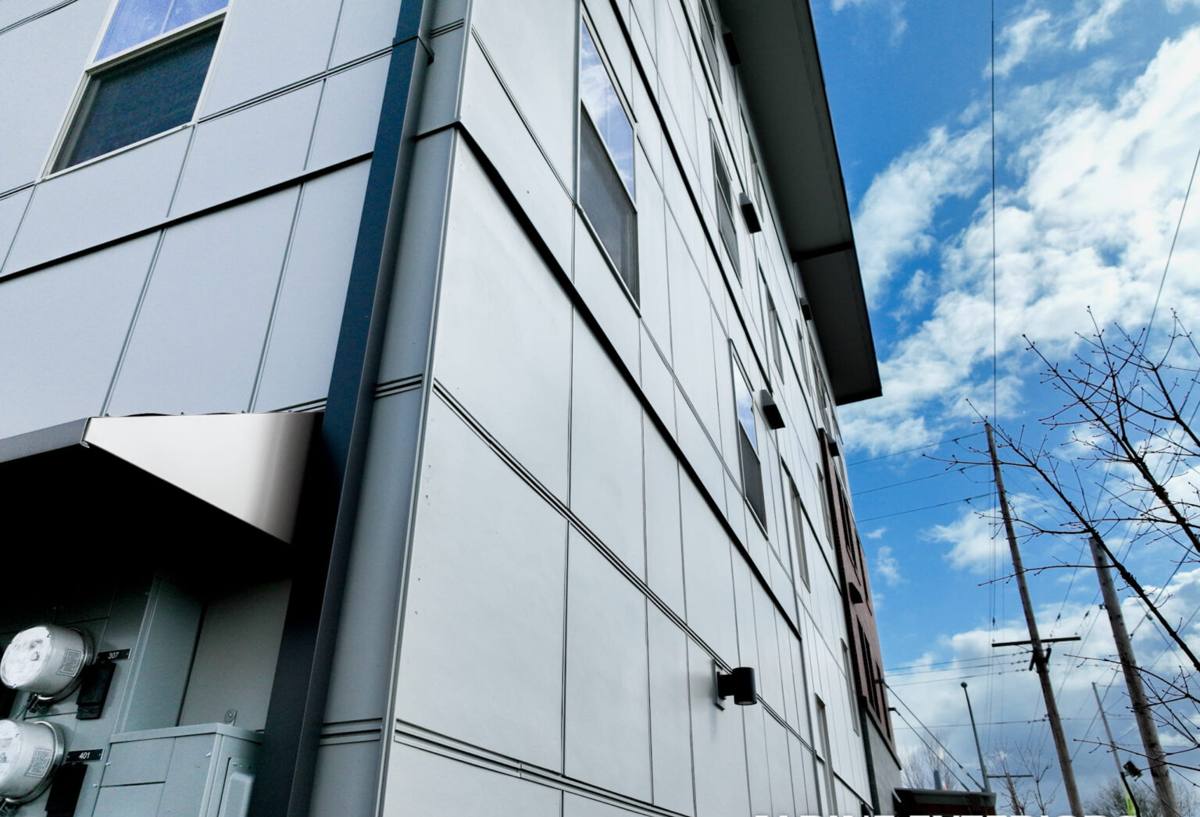
Why We Only Install James Hardie Here
We don't install vinyl, LP SmartSide, primed spruce, cedar, or other fiber cement brands. That's not a marketing line — it's a standard we hold ourselves to because of what we've seen this climate do to those products over time. Vinyl expands and contracts with temperature swings and can warp or crack in cold snaps; it also traps moisture behind it if not detailed correctly. Wood species like cedar and primed spruce look great on day one but require ongoing painting, caulking, and moisture vigilance to hold up against year-round Pacific Northwest rain — skip a maintenance cycle in a wet stretch and rot can set in. Engineered wood products like LP SmartSide perform well in many climates but are more sensitive to sustained moisture exposure at cut edges and joints than fiber cement.
James Hardie fiber cement is non-combustible, dimensionally stable across temperature and humidity swings, and doesn't feed mold or rot the way wood-based products can. It's not the cheapest option on the market, and it's heavier and more labor-intensive to install correctly — but for a coastal, high-rain county like Whatcom, it's the product we're willing to put our name behind.
What We're Not Saying
We're not claiming other products are junk or that every home with vinyl or wood siding is in trouble. Plenty of siding systems perform fine when installed well and maintained on schedule. Our position is narrower: given what this specific climate does to siding over 20-30 years, fiber cement is the trade-off we think makes sense, so it's the only thing we put on a wall.
Choosing the Right Hardie Product for a Custer Home
James Hardie makes climate-specific formulations under its HZ5 and HZ10 engineered-for-climate lines. Homes in Whatcom County fall into the wetter, cooler HZ5 zone, which is formulated to resist moisture intrusion and freeze-thaw stress better than the versions of the product sold in dry, hot climates. Using the correct HZ designation for this region isn't optional — it's part of doing the job right.
Beyond the climate formulation, there are a few product decisions worth thinking through for a Custer property:
- Lap siding vs. panel siding: Traditional horizontal lap is the most common choice and sheds water well when lapped and flashed correctly. Panel systems (board-and-batten style) can work for accent walls or garages but need extra attention at seams.
- ColorPlus factory finish: A baked-on finish applied at the factory under controlled conditions, which holds color and resists fading and chipping better than field-applied paint — and it means less repainting over the life of the siding.
- Trim and soffit materials: Matching Hardie trim boards to the siding keeps expansion rates consistent and avoids the mismatched-material gaps where water tends to get in.
What Correct Installation Actually Involves
Fiber cement siding is only as good as its installation. Most of the failures we see on older homes in this area trace back to installation shortcuts, not the product itself. In a high-rain, salt-air environment like Custer, a few details matter more than usual:
Water Management First
Correct installation starts before the first board goes up: a proper weather-resistive barrier, correctly lapped and taped, with rigid flashing at every window, door, and horizontal transition. Siding is the last line of defense, not the only one — the drainage plane behind it is what actually keeps a wall dry over decades of driving rain.
Clearances and Gaps
Hardie's own installation specs call for minimum clearances from grade, roofing, and decks, plus gaps at butt joints and trim to allow for expansion and drainage. Closing those gaps up tight — a common corner-cutting move — traps moisture instead of letting it escape, which is exactly the wrong thing to do in a climate with a long wet season.
Fasteners and Hardware
In a salt-air environment, fastener corrosion is a real concern. We use fasteners and hardware rated for the exposure, not whatever's cheapest, because a corroding nail head under a painted surface is a slow, hidden failure point.
Caulking and Sealant Discipline
Sealant belongs at specific joints, not everywhere — over-caulking can trap moisture just as easily as a missing bead lets it in. Getting this balance right takes experience with the product, not just a caulk gun and good intentions.
How Correct Hardie Installation Compares to the Alternatives in This Climate
| Factor | James Hardie (HZ5) | Vinyl | Cedar / Primed Spruce |
|---|---|---|---|
| Moisture resistance | Engineered for wet climates; won't rot | Won't rot, but can trap moisture behind it | Vulnerable to rot without diligent maintenance |
| Salt air / corrosion exposure | Material itself doesn't corrode; fasteners must be rated | Resistant, but can become brittle over time | Fasteners and finish both degrade faster near salt air |
| Moss and algae resistance | Factory finish resists staining; surface cleans easily | Can stain and hold algae in shaded areas | Porous surface holds moss and organic growth |
| Fire resistance | Non-combustible | Combustible | Combustible |
| Ongoing maintenance | Occasional wash; repaint only if desired | Low maintenance, but repairs are visible and can't be spot-painted well | Regular painting/staining and caulk inspection needed |
Our Process for a Custer Siding Job
Every job starts with an on-site inspection, not a phone estimate. We look at the existing siding and sheathing condition, check for any hidden moisture damage (especially around windows, decks, and roof transitions — common trouble spots in this climate), and measure for the right product and trim package.
- Inspection and written scope — what's being removed, what's being replaced, and why.
- Sheathing and moisture barrier repair or replacement where needed — we don't cover up a problem.
- Weather-resistive barrier and flashing installed to spec at every penetration.
- James Hardie HZ5 siding installed per manufacturer clearances, fastening, and joint requirements.
- Trim, caulking, and final cleanup, with a walkthrough before we call the job done.
We work throughout Ferndale and the surrounding Whatcom County communities, including Custer, so we already know the microclimate quirks in this area — where the wind comes off the water, which sides of a house stay shaded and damp longest, and how the local moss season behaves. That local pattern recognition is part of what an experienced local crew brings that an out-of-area installer simply doesn't have yet.
Living With Hardie Siding Through Moss Season
Fiber cement won't feed moss and algae the way bare wood can, but any exterior surface in western Washington will pick up organic growth over time, especially in shaded, north-facing areas. A little seasonal upkeep keeps it looking right and protects the finish:
- Rinse siding with a garden hose and soft brush once or twice a year — avoid high-pressure washing directly at seams and joints.
- Keep gutters clear so overflow doesn't run down the wall and feed moss growth in one concentrated area.
- Trim back vegetation and tree limbs that keep a wall shaded and damp longer than the rest of the house.
- Check caulking at trim and penetrations every couple of years — sealant is the one part of the system that wears out before the siding does.
- Address any impact damage (a ladder bump, a stray branch) promptly rather than letting exposed edges sit through a wet winter.
Warranty and Long-Term Value
James Hardie backs its siding with a strong, transferable limited warranty, and ColorPlus finishes carry their own finish warranty separate from the substrate. Warranty coverage matters most when installation was done correctly in the first place — manufacturer warranties are commonly tied to installation meeting their published specifications, which is one more reason installation quality isn't a place to cut corners.
For a Custer home, that long-term coverage paired with a non-combustible, rot-resistant material adds up to a siding system that's built to be a one-time project, not a recurring maintenance headache through repeated wet Whatcom County winters.
If you're weighing siding options for a home in Custer, we're glad to take a look and give you a straightforward, no-pressure estimate — including an honest read on your current siding's condition before we ever talk about replacement. Fill out the form below to get started.