 Ferndale Window
 Window Installation in Cordata: Built for the Wet Side of Whatcom County
Cordata sits in north Bellingham, close enough to the Ferndale line that homes there see the same weather pattern that shapes exterior work across this part of Whatcom County. Moist air moves in off the water, rain arrives sideways more often than it falls straight down, and mild, damp winters give moss and mildew a long stretch of the year to work on anything shaded or slow to dry. Windows sit right at the seam between the inside of a house and all of that weather, which is exactly why a window that looks fine from the curb can still be the source of a moisture problem working its way into the wall behind it.
This page is about one job in one neighborhood: window installation for Cordata homes. We work this area regularly, and the way we approach a window install here is shaped by what actually happens to windows in this specific climate over years of exposure, not by a generic checklist that could apply anywhere in western Washington. Material choice matters, but the installation detail — how the opening is prepped, how water is directed away from the frame, how the unit is sealed into the surrounding wall — is what actually decides whether a window holds up through a full Whatcom County winter or starts giving you trouble in the first year or two.
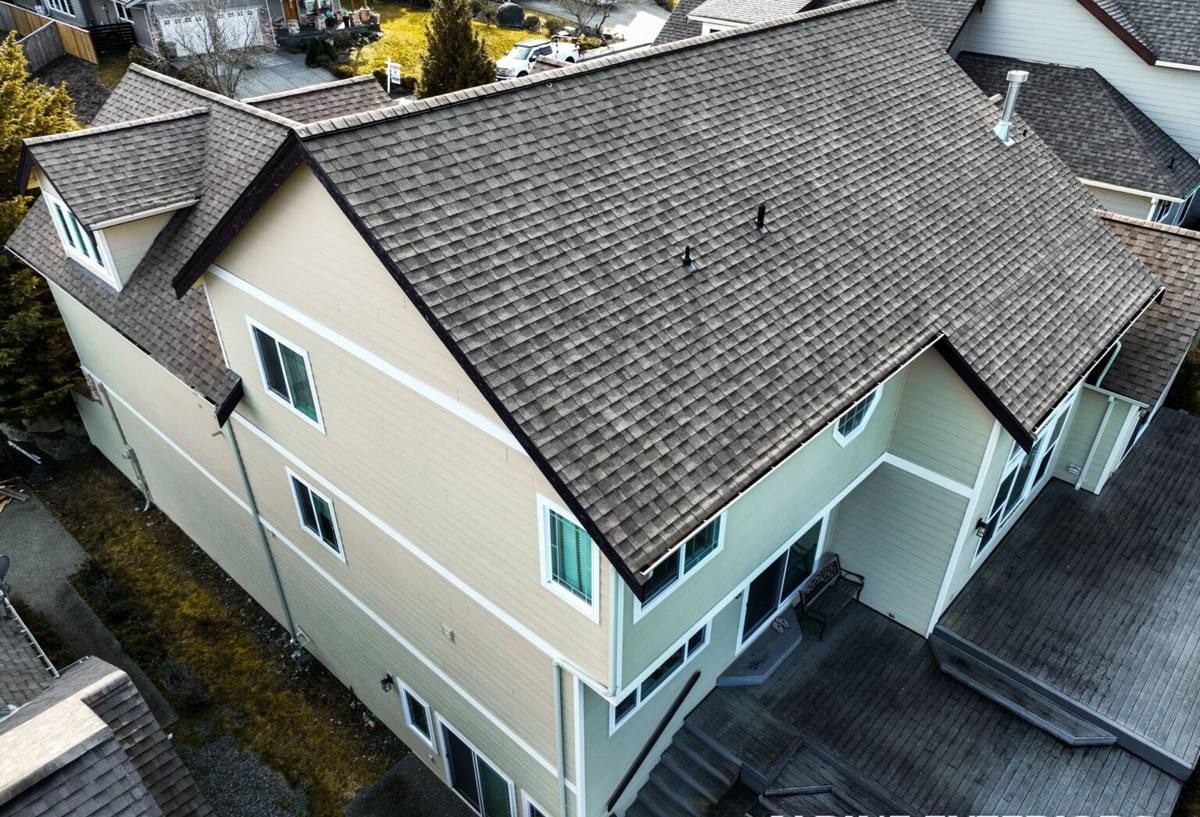
What This Climate Does to a Window Installation
Salt-Tinged Marine Air
Cordata isn't waterfront, but it's close enough to Bellingham Bay and the Strait that homes here still pick up salt-carrying air on winter storm systems. Over years, that air accelerates corrosion on window hardware, screen frames, and lower-grade fasteners, especially on elevations that face the prevailing weather. It's a slow process, which is part of the problem — homeowners often don't notice pitted hardware or a stiff lock mechanism until it's already been failing for a while.
Wind-Driven Rain
Rain in this part of Whatcom County rarely falls straight down. Storms push it sideways, and that sideways load tests window flashing far harder than a calm, straight-down rain ever would. A window that's a perfectly good product on paper will still leak if the flashing behind it wasn't lapped correctly or if the sill wasn't built to shed water outward. Most of the water damage we find behind older windows traces back to that installation detail, not to the window unit itself.
A Long Moss and Mildew Season
Damp, mild conditions through fall, winter, and spring give moss and mildew a long season to take hold anywhere moisture sits instead of draining away. Window sills, trim, and the lower corners of wood-framed windows are common spots for it, particularly on shaded or north-facing walls. It's not just cosmetic — sustained growth holds water against the surface underneath it, and on an older window that can mean slow rot starting at the sill long before it's visible from inside the house.
Condensation Pressure in Damp Winters
The temperature gap between a heated interior and a cold, wet Whatcom County exterior puts real condensation pressure on glass and frames. Fogging between panes, moisture pooling on interior sills, and drafts that seem to come from nowhere are usually signs that a seal has failed or that the glazing package was never built for this much sustained humidity in the first place.
Signs a Cordata Home Is Due for Window Attention
- Fogging or trapped moisture between the panes of a double-pane window
- Noticeable drafts or cold spots near the frame even when the window is fully latched
- Sills or trim that feel soft, look discolored, or show visible rot
- Windows that stick, won't latch fully, or take real effort to open and close
- Daylight or gaps visible where the frame meets the siding or trim
- Recurring moss or dark staining on window trim that comes back soon after cleaning
- A jump in heating costs that tracks with older, poorly sealed windows
What a Correct Window Installation Actually Involves
Measuring and Ordering
Every opening on a house settles differently over time, so we measure each window individually rather than assuming they're all identical, even on a home where they look that way. Custom-sized units built to the actual opening perform better and seal tighter than a close-enough stock size, and getting the order right the first time avoids a second delay on top of the standard lead time for manufactured windows.
Removing the Old Window and Prepping the Opening
Once the old window comes out, the rough opening gets inspected before anything new goes in. This is where hidden problems from a previous installation tend to show up — soft framing, missing or failed flashing, or water staining that points to a leak that's been going on for a while. We deal with what we find rather than sealing a new window over a problem that's still there.
Sill Pan and Flashing: The Detail That Determines Everything
The sill pan and flashing are what actually keep water out, more than the window unit itself. A correctly built sill pan slopes outward and carries any water that gets past the window away from the framing instead of letting it pool. Flashing has to lap correctly with the weather-resistive barrier and siding around it, in the right order, so water sheds down and out rather than tracking behind the wall. This is standard on every window we install — not an upgrade homeowners have to request.
Setting, Shimming, and Air-Sealing
A window has to be set plumb, level, and square, and shimmed so it isn't relying on the surrounding frame to hold its shape — an out-of-square window binds, leaks, and wears out its hardware early. Insulation and air-sealing around the perimeter close the gap between the window and the framing without over-packing it, which can bow the frame and cause the same operating problems it was meant to prevent.
Trim and Finish
Interior and exterior trim get reinstalled or replaced to match, and every seam that touches weather gets sealed with materials rated for sustained moisture exposure rather than a bead of general-purpose caulk. Caulk has a place in this process, but it's a supplement to correct flashing, never a substitute for it.
Insert Replacement vs. Full-Frame Installation
| Factor | Insert Replacement | Full-Frame Installation |
|---|---|---|
| What it involves | New window fits into the existing, sound frame | Old frame comes out down to the rough opening; flashing is rebuilt from scratch |
| Best suited for | Frames that are structurally sound with no hidden water damage | Frames with rot, failed flashing, or a history of leaks |
| Disruption to siding and trim | Minimal | More involved — siding and trim around the opening are affected |
| Relative cost and time | Lower cost, faster | Higher cost, more labor, but addresses the root problem |
| Long-term outcome | Good, if the existing frame was actually sound | More durable when hidden damage exists, since it isn't sealed behind the new window |
We check the frame condition before recommending either approach, and we won't sell an insert replacement over a frame that's already compromised just because it's the easier, cheaper job — that combination usually just seals a moisture problem in behind new glass and trim.
Choosing Window Products for a Cordata Home
There's no single right window for every house — budget, sun exposure on a given wall, and how long a homeowner plans to stay in the home all factor into the decision. What matters most for this climate is a tight, well-built frame and a glazing package suited to sustained moisture and damp winters, more than any particular brand name.
- Frame material: Vinyl and fiberglass both resist the rot that an uncladded wood frame is vulnerable to in a climate this wet, with fiberglass generally holding its shape better across temperature swings.
- Glazing package: Double or triple-pane options with a low-E coating and argon or krypton gas fill improve both energy performance and resistance to interior condensation during cold, damp stretches.
- Hardware grade: Corrosion-resistant hardware holds up longer against the salt-tinged air that reaches inland to Cordata than standard-grade hardware does.
- Glass upgrades for noise: Cordata's proximity to the airport and to I-5 means some homeowners are as interested in sound as they are in weather performance. Laminated glass in the glazing package can measurably cut down on ambient noise; a thicker glazing package alone helps some but isn't a guaranteed fix, and we'll be straight with you about which option actually addresses what you're hearing.
Our Installation Process
- An on-site walk-through of the windows in question, checking frame condition, seal integrity, hardware function, and how the existing flashing ties into the siding around each opening
- An honest read on which windows are reasonable candidates for insert replacement and which need a full-frame installation, explained in plain terms
- A written scope and estimate before any work begins, with the manufacturer's product warranty kept separate from our installation warranty so it's clear what's covered by whom
- Careful removal, opening prep, sill pan and flashing work, setting and sealing, and trim finish, done to the same standard on every job regardless of size
- A final walkthrough so you can see the operation and finish before we consider the job done
Why a Crew That Already Works Cordata Matters
A contractor who works this stretch of Whatcom County regularly already knows how wind-driven rain, salt-tinged air, and a long moss season behave here versus a drier, more sheltered inland setting. That shows up in small decisions that matter more than they seem to on paper — how much lap a flashing detail gets, whether the sill pan slopes enough to actually shed water, which hardware grade is worth specifying for a given wall's exposure. Those are the decisions that determine whether a window installation in Cordata holds up through one wet winter or holds up for decades, and they're easy to get wrong for a crew that doesn't see this specific climate on a regular basis.
If you're dealing with drafty, foggy, or hard-to-operate windows in Cordata, or you just want an honest opinion on whether a window is a repair candidate or needs full replacement, we're glad to take a look. Reach out using the form below to schedule a free, no-pressure estimate.