 Ferndale Window
 Lynden's Climate Is Harder on Siding Than It Looks
Homes in the Lynden area sit inland from Bellingham Bay, but that distance doesn't buy much protection from Whatcom County's marine climate. The same wind that carries salt-tinged air off the Salish Sea moves across the flats and reaches houses well away from the water, and it does it year-round. Add driving rain that comes in sideways during fall and winter storms, and a moss season that can stretch eight months or more under our gray, damp skies, and you've got a climate that's genuinely tough on exterior building materials — even ones that look fine from the street.
Most siding failures we see out here aren't dramatic. They're slow: paint that chalks and fades a few years early, seams that let moisture behind the cladding, north-facing walls that stay damp long enough for moss and algae to take hold, and fasteners that back out because the material behind them swelled and shrank one too many times. None of that shows up on day one. It shows up in year six or seven, and by then the fix costs a lot more than getting the material and the installation right the first time would have.
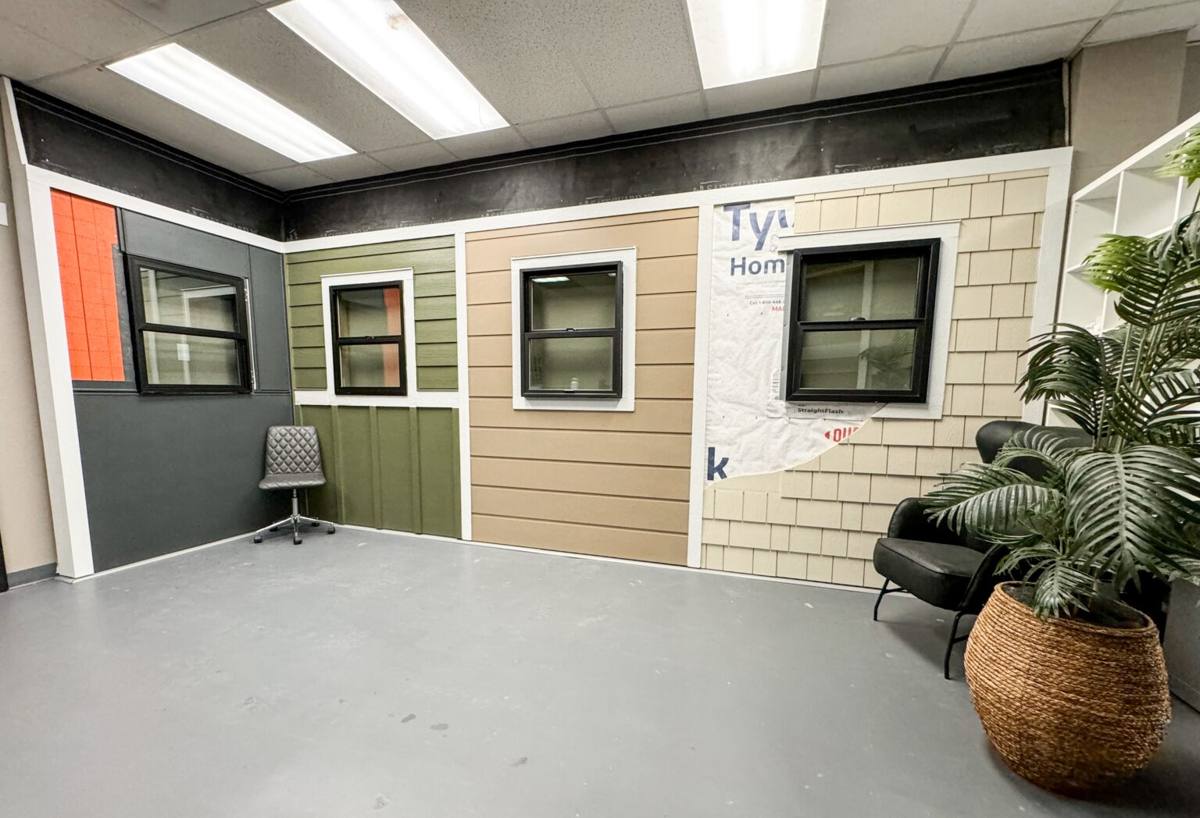
Why We Install Only James Hardie Fiber Cement
We made a decision a while back to install one siding system and be genuinely good at it, rather than carry every option and be average at all of them. That system is James Hardie fiber cement. It isn't a knock on every other product on the market — vinyl, engineered wood, and other fiber cement brands all have their place — but for a climate like ours, Hardie's combination of moisture engineering, factory-applied finish, and long-term stability is what we're willing to put our name behind.
James Hardie makes its lap siding, panels, and trim in an HZ5 formulation engineered for climates with sustained damp weather, freeze-thaw cycles, and marine exposure — which describes Whatcom County well. The fiber cement itself is dimensionally stable, meaning it doesn't swell and shrink with humidity the way wood-based products can, so seams stay tighter and paint lines stay cleaner for longer. It's also non-combustible, which matters more every year as wildfire smoke and dry-season fire risk creep into life in Washington, even on the wet side of the state.
Where Hardie really earns its keep on a Lynden project is the factory-applied ColorPlus finish. Instead of a job-site paint job exposed to wind and moisture the moment it goes up, ColorPlus is baked on under controlled conditions and backed by its own finish warranty. In a climate that puts real stress on field-applied paint, starting with a finish that was never rained on before it hit the wall is a genuine advantage — not a marketing point.
What a Correct Hardie Installation Actually Involves
Hardie siding is only as good as the install behind it. The material is engineered to shed water and handle moisture, but that engineering only works if the details underneath it are done correctly. This is where a lot of siding jobs — on any brand — quietly go wrong, and where the differences between a rushed crew and a careful one show up years later.
Moisture Management and Flashing
Every correct Hardie install starts with a water-resistive barrier and properly lapped flashing at every window, door, roofline, and penetration. Water has to be directed out and away from the wall assembly at every transition, not just the obvious spots. Around Lynden, where driving rain can push water sideways into wall assemblies that would stay dry in a calmer climate, shortcutting flashing details is one of the fastest ways to end up with hidden rot behind siding that looks perfect from the driveway.
Fastening and Clearances
James Hardie's installation instructions call for specific fastener types, spacing, and embedment depth, plus minimum clearances between the bottom of the siding and grade, roofing, decks, and patios. Those clearances aren't arbitrary — they keep the bottom edge of the siding out of standing water and splashback, which is exactly the kind of slow, chronic moisture exposure that causes problems in a wet climate like ours.
Field Cuts and Caulking
Any time a piece of Hardie siding gets cut on site, that cut edge needs to be sealed before it goes up, and the right sealant needs to go in the right joints — not everywhere, and not nowhere. Over-caulking traps moisture in just as badly as under-caulking lets it in. It's an easy detail to rush and easy to get wrong, and it's one of the first things we check on every job we take on.
Our Process, From Estimate to Final Walkthrough
Walkthrough and Estimate
We start with an on-site look at the existing siding, the wall assembly behind it where we can see it, and any obvious trouble spots — north-facing walls, areas under trees, low-clearance sections near grade or hardscape. That walkthrough is where we build a real estimate and talk through product line, profile, and color.
Prep and Tear-Off
Old siding comes off, and we take a real look at the sheathing and framing underneath before anything new goes up. If there's hidden water damage, this is where we find it — and we'd much rather find it now than after new siding is already installed over it.
Install Day
Flashing and the water-resistive barrier go in first, per Hardie's published details, followed by the siding itself at correct fastener spacing and clearances, then trim and caulking. We follow James Hardie's installation instructions to the letter, because that's also what keeps the product's warranty valid.
Final Walkthrough
We walk the finished job with you, check the details up close — seams, corners, trim lines, clearances — and handle any punch list items before we call it done.
Choosing the Right James Hardie Product for a Lynden Home
James Hardie makes more than one siding profile, and the right choice depends on the style of the house and how you want it to look, not just what's cheapest to install. Here's how the main options compare for a typical Lynden-area home:
| Product | What It Looks Like | Where It Works Well |
|---|---|---|
| HardiePlank lap siding | Traditional horizontal lap look, in several width profiles and textures | Most Lynden-area homes; a classic Pacific Northwest street presence |
| HardieShingle | Staggered-edge or straight-edge shingle panels | Accent gables, dormers, or a full shingle-style home |
| HardiePanel | Vertical panel siding, often paired with battens | Modern or farmhouse-style homes, porch ceilings, gable accents |
| HardieTrim | Smooth or textured boards for corners, fascia, and window and door trim | Finishing every project so trim ages and weathers at the same rate as the field siding |
Most Lynden projects end up as HardiePlank for the field of the house with HardieTrim at corners and openings, sometimes with a HardieShingle accent on a gable or entry feature. We'll walk through what fits your home during the estimate rather than push a one-size answer.
What About the Old Cedar, Spruce, or Vinyl Currently on the House?
A lot of the homes we look at in and around Lynden still have their original cedar or primed spruce siding, or a vinyl re-side from years back. Cedar and primed spruce both move with moisture and need repainting on a real schedule to hold up — skip a cycle or two in this climate and you're looking at cupping, checking, or paint failure. Vinyl doesn't rot, but it can warp in direct sun, crack in a hard freeze, and it's not something you repaint if the color fades or a section gets damaged; you're replacing panels and hoping the discontinued color still matches. None of that makes those products bad choices for every situation — it's why we standardized on Hardie instead of trying to be everything to everyone.
Why a Crew That Already Works Lynden and Ferndale Matters
Siding installation isn't just about the product — it's about a crew that knows how the local building department handles permitting, what inspectors around here actually look for, and what the housing stock in this area tends to need. A crew that works Lynden and Ferndale regularly has already seen the common wall assemblies, the typical trouble spots on homes of a certain age, and the way local weather actually behaves on a job site — not the weather on a spec sheet.
There's also a plain accountability factor. A crew with a local reputation to protect handles the details differently than one that's passing through. If something needs a callback two years down the road, we're still here, in the same county, working the same streets.
Living With Hardie Siding in a Moss-Prone, Marine Climate
Hardie siding is low-maintenance compared to wood, but "low-maintenance" doesn't mean "no maintenance" — especially in a climate that grows moss on just about anything that sits still long enough. A little regular attention goes a long way toward keeping the siding, and the ColorPlus finish, looking good for the long haul.
- Rinse siding once or twice a year to clear pollen, road film, and the start of moss growth before it takes hold
- Keep gutters clear so overflow doesn't run down the wall and feed moss growth on north-facing sections
- Trim back plants and tree limbs that keep siding shaded and damp longer than it needs to be
- Check caulking at trim joints and penetrations every year or two, and recaulk where it's thinning or cracking
- If repainting is ever needed, use products compatible with ColorPlus finishes rather than assuming any exterior paint bonds and performs the same way
- Walk the lowest course of siding periodically to confirm clearance from grade, mulch, and hardscape that may have built up over time
What Affects the Cost of a Lynden Siding Project
Every home is different, so we don't quote real numbers until we've seen the walls, but a few factors consistently move the price up or down on projects in this area:
| Factor | Why It Moves the Price |
|---|---|
| Tear-off scope | Full removal and disposal of old siding costs more than installing over sound existing sheathing |
| Sheathing or framing repair | Hidden moisture damage found during tear-off adds material and labor before new siding can go on |
| Product line and profile | Lap width, shingle vs. plank, and trim complexity all affect material cost |
| Wall complexity | Dormers, multiple stories, and detailed trim take more time than a simple rectangular wall |
| Color selection | Standard ColorPlus colors versus premium or custom finish options |
The honest range for a full re-side varies a lot based on those factors and the size of the home, which is exactly why a real walkthrough beats a phone-quote every time.
Signs It's Time to Start Looking at Siding
You don't need to wait for visible failure to start the conversation. Some of the earlier signs worth a look include soft spots when you press on siding near the bottom edge, paint that's failing faster on one side of the house than the others, persistent moss or algae that comes right back after cleaning, and caulking that's cracked or pulling away at trim joints. Catching these early, before moisture gets a foothold behind the wall, usually means a straightforward re-side instead of a repair job that also has to deal with rotted sheathing.
If you're weighing a re-side in the Lynden area, or just want an honest read on what your current siding is telling you, we're happy to take a look. The estimate is free, there's no pressure, and you'll get a straight answer about what your home actually needs — fill out the form below to get started.