 Ferndale Window
 Asphalt Shingle Roofing in Cordata: Built for This Climate, Not Just This House
Cordata sits close enough to the water and far enough into the Whatcom County lowlands that its roofs take a specific kind of beating: salt-tinged air rolling in off the Strait, long stretches of driving rain in the fall and winter, and a moss season that seems to start earlier every year. Asphalt shingle roofing is still the most practical, cost-effective choice for the vast majority of homes here — but "practical" only holds up if the installation actually accounts for how this neighborhood's weather behaves. A shingle roof installed the way a crew might install one in Spokane or Sacramento will not perform the same way in Cordata. We treat every roof here as a Pacific Northwest roof first, and an asphalt shingle roof second.
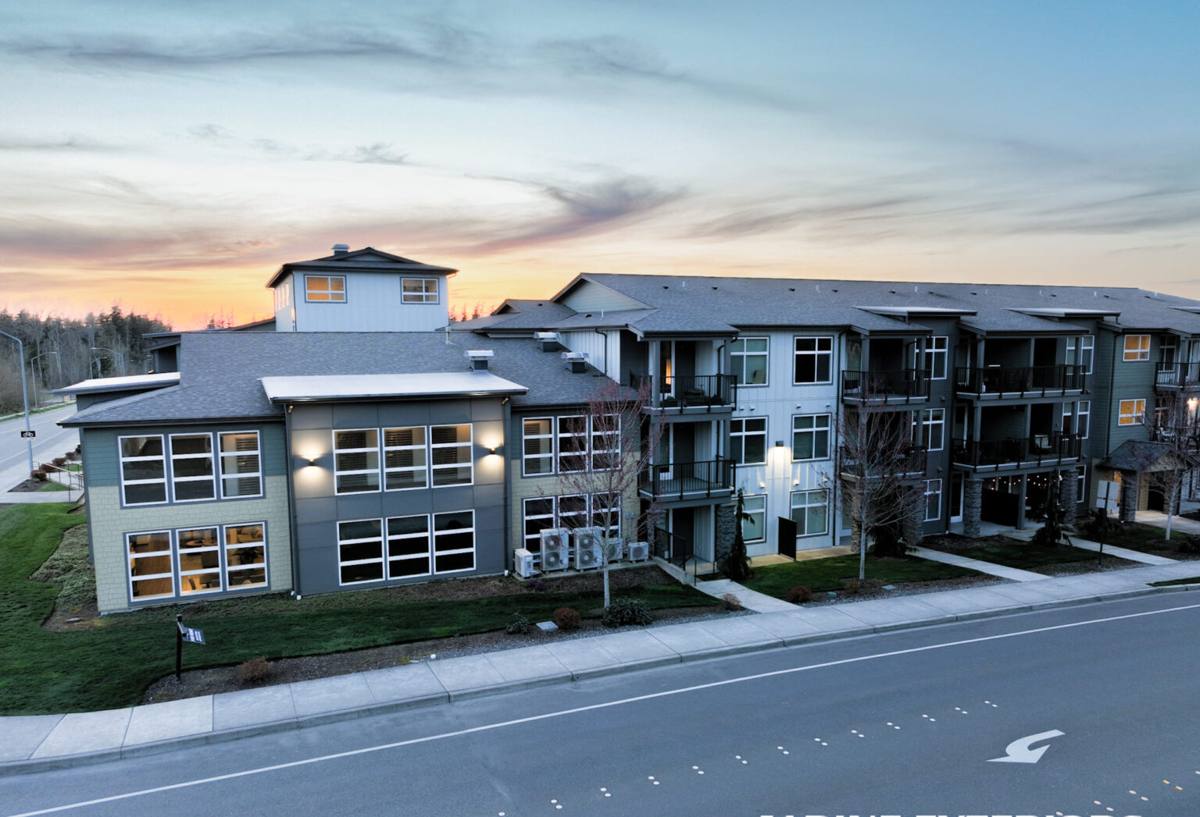
What Cordata's Climate Actually Does to a Roof
Homeowners in this part of Whatcom County are usually surprised by which part of the roof fails first — it's rarely the shingles themselves wearing out from sun exposure the way they might in a hotter, drier climate. Instead, the failure points tend to be moisture-related and cumulative.
Moss and Organic Growth
Shaded roof planes, north-facing slopes, and anything under overhanging trees stay damp for weeks at a time during our wet months. Moss doesn't just sit on the surface — its root structure works into the shingle mat, lifts tabs at the edges, and holds water against the roof deck long after a storm has passed. Left unaddressed for a few seasons, moss growth alone can cut years off a shingle roof's service life.
Driving Rain and Wind-Driven Water
Storms moving through this corridor often bring rain sideways, not straight down. That matters for roofing because wind-driven rain finds weaknesses that vertical rain never would — under-lapped shingle courses, poorly sealed valleys, and flashing that was installed to code but not to the actual wind pattern of this specific site.
Salt Air and Metal Components
Proximity to marine air accelerates corrosion on unprotected metal — nails, flashing, vent stacks, and gutter hardware. A roof that uses bargain-grade fasteners or bare metal flashing will show rust streaks and early metal fatigue years before a comparable roof further inland.
Freeze-Thaw Cycling
Whatcom County doesn't get brutal winters, but it does get enough freeze-thaw swings to stress shingles that have already absorbed moisture. Water that's soaked into a moss-damaged or poorly ventilated roof deck expands when it freezes, which widens existing cracks and loosens fastener grip.
What a Correct Asphalt Shingle Installation Includes
A shingle roof is a system, not a single product layered onto plywood. When we quote a roof for a Cordata home, every one of these components gets specified deliberately — not defaulted to whatever's cheapest.
- Deck inspection and repair — any soft, rotted, or delaminated sheathing gets replaced before a single shingle goes down. Roofing over a compromised deck just hides the problem.
- Ice-and-water or synthetic underlayment at vulnerable zones — eaves, valleys, and areas prone to wind-driven rain get additional water-resistant underlayment, not just the minimum felt layer.
- Proper flashing at every penetration — chimneys, skylights, vent stacks, and wall intersections use step flashing, counter-flashing, or pipe boots sized and sealed correctly, with corrosion-resistant metal given the salt air.
- Balanced attic ventilation — intake at the eaves and exhaust at the ridge, sized to the attic volume. Without this, moisture gets trapped under the deck regardless of how good the shingles are.
- Starter strip and drip edge at all eaves and rakes — skipping these is a common shortcut that shows up as edge lifting and water intrusion within a few years.
- Manufacturer-specified nailing pattern and fastener count — six nails per shingle in high-wind zones, placed in the correct nailing zone, not just "close enough."
- Valley treatment appropriate to the roof's slope and exposure — woven, closed-cut, or open metal valleys, chosen based on how water actually moves across that specific roof.
Choosing the Right Shingle for a Cordata Roof
Not every asphalt shingle product is built the same, and the differences matter more here than in drier climates. The table below reflects the trade-offs we actually walk homeowners through, not manufacturer marketing claims.
| Shingle Type | Typical Lifespan | Wind/Rain Performance | Best Fit |
|---|---|---|---|
| 3-tab (economy) | 15–20 years | Lower wind rating; more seams for water to find | Budget-driven projects, secondary structures |
| Architectural / dimensional | 25–30+ years | Heavier mat, stronger wind rating, better sealant strips | Most Cordata homes — our default recommendation |
| Impact-resistant (Class 4) | 30+ years | Reinforced mat resists cracking and granule loss | Homes with heavy tree cover or storm-debris exposure |
| Premium designer shingles | 30–50 years | Thickest mat, best warranty structure, best moss/algae-resistant granule options | Homeowners planning to stay long-term or matching higher-end architecture |
For most Cordata homes we recommend architectural shingles with algae-resistant granules as the baseline, given how much time roofs here spend damp and shaded. Where a roof sees heavy tree cover or debris, stepping up to an impact-resistant product is a reasonable upgrade, not an upsell.
Our Process, Start to Finish
We keep the process straightforward because roofing decisions are stressful enough without added confusion.
1. On-Site Inspection
We walk the roof, check the attic from the inside for ventilation and moisture signs, and photograph problem areas — moss buildup, flashing wear, granule loss in the gutters. This tells us what's actually happening, not just what's visible from the ground.
2. Honest Scope and Estimate
We explain what needs to be replaced versus what can reasonably be repaired, and give a written estimate that breaks out material and labor. No pressure tactics, no artificial deadlines.
3. Material Selection
We walk through shingle options based on your budget, the roof's exposure, and how long you plan to stay in the home — not just whichever product carries the highest margin.
4. Tear-Off and Deck Prep
Full tear-off to bare deck on most jobs, with sheathing repaired or replaced as needed. We don't recommend layering new shingles over old on this type of climate — trapped moisture underneath is a real risk.
5. Installation
Underlayment, flashing, shingles, and ventilation components installed to manufacturer spec and adjusted for the specific slope, exposure, and wind pattern of your roof.
6. Final Walkthrough and Cleanup
We inspect the completed roof with you, clear debris and stray fasteners from the property, and confirm gutters and downspouts are clear and functioning before we consider the job done.
Maintenance That Actually Extends Roof Life Here
A well-installed shingle roof in Cordata still needs periodic attention — the climate doesn't let any roof coast on installation quality alone.
- Inspect for moss growth at least once a year, ideally before the wet season sets in, and remove it with soft-wash methods rather than pressure washing, which strips granules.
- Keep gutters and downspouts clear so water isn't backing up under the shingle edges during heavy rain.
- Trim back overhanging branches to reduce shade, debris buildup, and physical abrasion on the shingle surface.
- Check attic ventilation isn't blocked by insulation, storage, or nesting debris — blocked vents trap moisture year-round, not just in winter.
- Have flashing around chimneys, skylights, and vents checked every few years, since these are the most common points of slow, hard-to-notice leaks.
Why a Crew That Already Works Cordata Makes a Difference
Roofing crews that work unfamiliar territory tend to install to generic code minimums. A crew that already works this corner of Whatcom County knows which roof orientations in Cordata hold moss longest, which storm direction actually stresses a given roof plane, and which flashing details tend to fail first in salt-air conditions. That familiarity shows up in small decisions — an extra course of underlayment at a vulnerable valley, a slightly different fastener spec for a windier lot — that a homeowner never sees but absolutely benefits from over the life of the roof.
It also means faster, more realistic response when something does go wrong. A local crew isn't scheduling a return trip from two counties away to address a warranty question or a storm-damage inspection.
Cost Factors Worth Understanding Before You Get Quotes
Roofing quotes can vary widely, and the reasons usually come down to a handful of factors rather than one company simply being "cheaper."
| Factor | Why It Moves the Price |
|---|---|
| Roof pitch and complexity | Steep slopes, multiple valleys, and dormers all add labor time and safety requirements |
| Deck condition | Rot or delamination found during tear-off requires sheathing replacement, an added cost not visible until the old roof is off |
| Shingle tier | Economy, architectural, and premium products carry different material costs and warranty terms |
| Ventilation upgrades | Adding or correcting intake/exhaust ventilation is an upfront cost that prevents far more expensive moisture damage later |
| Access and site conditions | Steep lots, limited driveway access, or heavy landscaping around the home affect setup time and disposal logistics |
We break these factors out clearly in every estimate so you're comparing actual scope, not just a bottom-line number.
Signs a Cordata Roof Needs Attention Now
Some warning signs are worth acting on before they become a full roof replacement:
- Heavy moss coverage, especially on north-facing or shaded slopes
- Granules collecting in gutters or at downspout outlets
- Curling, cracking, or lifted shingle edges
- Dark streaking that doesn't wash off, often algae rather than dirt
- Daylight visible through the attic roof deck, or damp insulation after a storm
- Rusted flashing or fastener heads showing through, common near coastal air exposure
None of these automatically mean a full replacement is needed — but they're worth a professional look before the next wet season adds to the damage.
If your roof is showing any of these signs, or you're simply planning ahead for a replacement, we're happy to take a look and give you a straightforward, no-pressure estimate. There's no obligation — just an honest assessment of what your roof actually needs. Use the form below to get started.