 Ferndale Window
 Window Replacement in Birch Bay: Built for a Waterfront Climate
Birch Bay sits directly on the water in northern Whatcom County, and that location puts more stress on windows than almost anywhere else we work. Homes here take a steady dose of salt-laden marine air, long stretches of wind-driven rain through fall and winter, and a moss and mildew season that can run most of the year on shaded walls and window trim. Windows are usually the first exterior component to show that stress, because a window opening has more seams, more moving hardware, and more places for water to find its way in than almost any other part of the building envelope.
We're a Ferndale-based crew that works Birch Bay regularly, and window replacement here is a large part of what we do. This page is specifically about full window replacement for Birch Bay homes: what the climate demands, what a correct job actually involves, and how to tell when replacement makes more sense than another round of repairs.
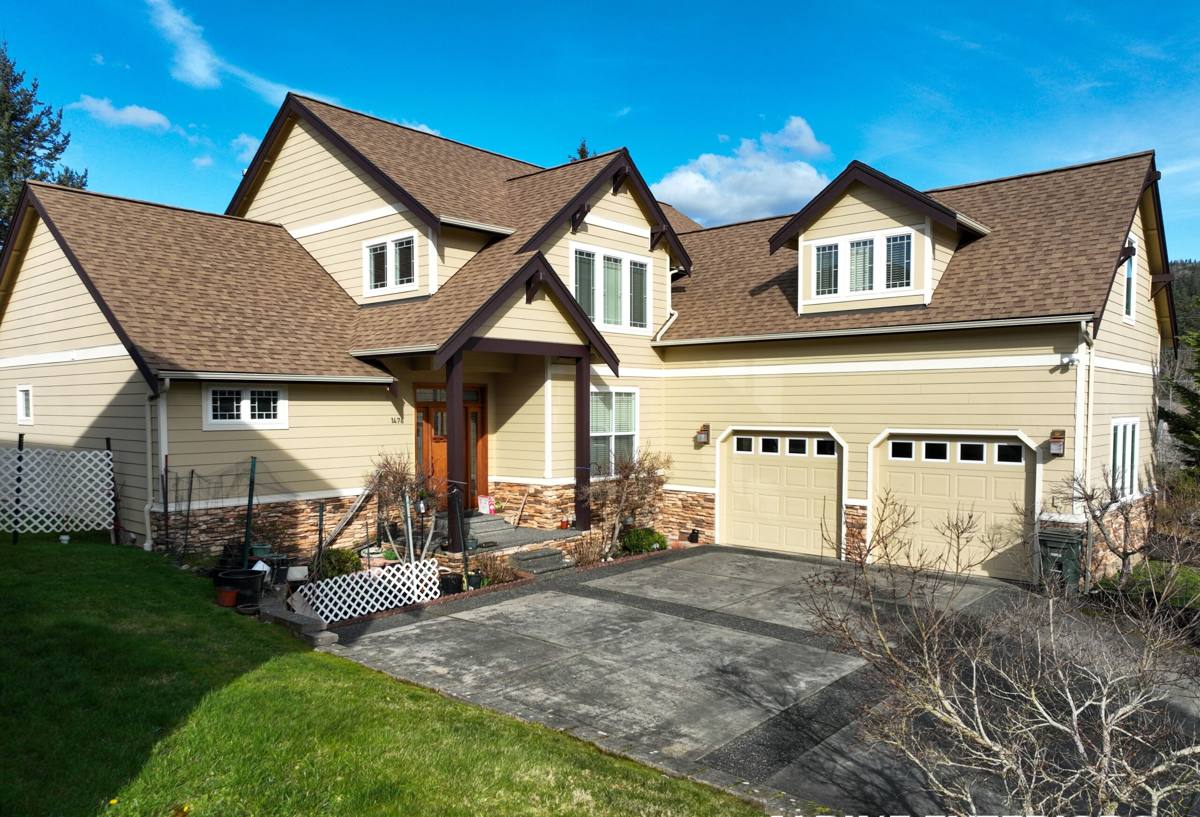
What Birch Bay's Climate Does to Windows
Direct Salt Air Exposure
Being right on the bay means Birch Bay homes deal with more direct salt exposure than most of the county. Salt accelerates corrosion on window hardware, fasteners, and lower-grade frame components, and it breaks down cheap finishes faster than a drier inland setting would. A window that would hold up fine a few miles inland can show pitted hardware, stiff mechanisms, or a chalky, faded frame years ahead of schedule out here.
Wind-Driven Rain
Open water exposure also means more wind, and wind-driven rain doesn't fall straight down — it gets pushed sideways into wall assemblies and window openings. That's a tougher test than an annual rainfall number suggests, because water finds its way into gaps and seams that would never see moisture in a calmer, more sheltered location. Flashing and sealant details that would be adequate somewhere inland can fail here specifically because the water is arriving from the side, not from above.
A Long Moss and Mildew Season
Mild temperatures, shade, and near-constant moisture add up to a moss and mildew season that runs most of the year on shaded or north-facing walls in Birch Bay. Window sills, trim, and the wood framing around older units are common places it takes hold, especially wherever water sits instead of draining away. Sustained growth doesn't just look bad — it holds moisture against the frame and sill, which is exactly the condition that leads to rot.
Condensation From Temperature Swings
Whatcom County's damp winters and the gap between a heated interior and a cold, wet exterior put real condensation pressure on glass and frames. Older single-pane or failing double-pane windows show this constantly: fogging, moisture trapped between panes, or water pooling on interior sills. That's a sign of a failed seal, not just a cosmetic nuisance, and it's one of the more common reasons Birch Bay homeowners call us.
Signs a Birch Bay Home Needs Window Replacement
- Fogging or visible moisture trapped between the panes of a double-pane window
- Drafts or cold spots near the frame even when the window is fully closed and locked
- Wood sills or trim that feel soft, look discolored, or show visible rot
- Hardware that's stiff, corroded, or has stopped locking securely
- Visible daylight or gaps where the frame meets the siding or trim
- Paint or finish peeling, bubbling, or chalking faster than the rest of the exterior
- Rising energy bills that point to a window assembly no longer sealing properly
Repair vs. Replacement: How We Make the Call
Not every window on a Birch Bay property needs full replacement, and we don't default to replacement just because it's the bigger job. A window with a failed seal but a sound frame and working hardware is often a reasonable repair candidate. A window with rotted framing, corroded hardware that's been failing for years, or a frame that's absorbed enough moisture to warp usually isn't — at that point, repeated patching costs more over time than doing the replacement once, correctly.
| Condition | Repair Often Makes Sense | Replacement Often Makes Sense |
|---|---|---|
| Fogged glass, sound frame and hardware | Yes — reglaze or seal replacement | Only if the frame is also compromised |
| Stiff, corroded, or broken hardware | Yes — hardware replacement | Not on its own |
| Soft or rotted sill or frame | Rarely a lasting fix in this climate | Yes |
| Persistent drafts despite sealing attempts | Sometimes, if flashing is the real cause | Yes, if the unit itself is the source |
| Single-pane, no storm window | Possible short-term fix | Yes, for real energy and comfort gains |
We'll tell you which situation you're actually in during the on-site assessment, window by window, rather than pushing a whole-house replacement when only a handful of units are the real problem.
What a Correct Window Replacement Involves
Removal and Opening Prep
The old unit comes out carefully so we can see the actual condition of the rough opening underneath, which is impossible to judge accurately from outside. On Birch Bay homes especially, this is often where we find out whether years of marginal flashing let water track into the framing. Any soft or damaged wood gets addressed before the new window goes in — installing a new window over a compromised opening just buries the problem.
Flashing and Weatherproofing
This is the step that matters most given how exposed Birch Bay is. Correct flashing laps with the surrounding weather-resistive barrier and siding so water is directed out and away from the opening instead of trapped behind it, and every seam gets sealed with materials rated for sustained moisture exposure. This is standard practice on every window we install here, not an upgrade homeowners have to request. Caulk plays a supporting role in that system — it was never meant to be the only line of defense against wind-driven rain, and treating it that way is one of the more common mistakes we find on older Birch Bay homes.
Setting, Shimming, and Sealing the Unit
A new window has to sit square and plumb in the opening, shimmed correctly so it isn't binding or under stress that will shorten the life of its seals and hardware. Interior and exterior sealant get applied as part of the full weatherproofing system, not as a quick finishing touch.
Trim and Finish Integration
The exterior trim gets integrated to match the surrounding siding and finish, so the replacement reads as intentional rather than patched in. On a waterfront property, trim detailing also plays a role in how water sheds away from the opening, so it's functional as well as cosmetic.
Frame and Glazing Choices for a Waterfront Property
Frame material matters more in Birch Bay than it does a few miles inland, since direct salt exposure works against lower-grade materials faster here. We'll walk through the honest trade-offs for your specific windows rather than defaulting to whichever option is fastest to install.
| Frame Material | How It Holds Up Here | Trade-Off |
|---|---|---|
| Vinyl | Resists rot and corrosion; performs well in a mild, wet climate | Fewer color and finish options than other materials |
| Fiberglass | Dimensionally stable across temperature swings; holds paint well | Higher upfront cost than vinyl |
| Uncladded wood | Requires regular maintenance to resist rot in this climate | We recommend cladding or an alternative for weather-facing openings |
| Wood-clad | Interior wood look with a protected exterior face | Cost and cladding quality both matter — worth discussing for your project |
For glazing, double-pane with a low-E coating is the practical minimum we recommend for Birch Bay, since it helps with both energy performance and reducing interior condensation during cold, damp stretches. Triple-pane can make sense on a north-facing wall or a particularly exposed elevation, though it's a real cost increase that isn't always worth it for every opening on a house. Hardware grade matters just as much as frame or glass — corrosion-resistant hardware holds up longer against sustained marine air than standard-grade hardware, and it's not always obvious from a spec sheet which grade a given window actually ships with.
Cost Factors for Birch Bay Window Replacement
We won't quote a number without seeing the windows in person, since exact pricing depends on the specific property, but a few factors consistently move the price on jobs in this area:
- Number and size of openings — more windows and larger units mean more material and labor
- Frame material — vinyl, fiberglass, and wood-clad options carry different price points
- Glazing package — double-pane low-E versus triple-pane, and any additional coatings
- Condition of the existing opening — hidden rot or framing repair adds labor before the new unit goes in
- Standard vs. custom sizing — older Birch Bay homes sometimes have openings that don't match standard manufacturer sizes
- Access and site conditions — second-story or hard-to-reach openings take more time and equipment
Our Process, Start to Finish
- On-site assessment — we check frame condition, seal integrity, hardware function, and how existing flashing ties into the siding around each opening
- Honest recommendation — a straightforward read on which windows are reasonable repair candidates and which make more sense to replace, explained window by window
- Written scope and estimate — a clear proposal before any work begins, with product and installation warranties spelled out separately
- Ordering and lead time — a realistic timeline, since window orders can run several weeks depending on size and configuration
- Removal and opening prep — old units come out carefully, with any hidden framing or flashing issues addressed before the new window goes in
- Installation and flashing — each unit is set, shimmed, and flashed as standard practice, not an upsell
- Trim and finish — exterior trim is integrated to match the surrounding siding and architecture
Why a Local Birch Bay Crew Matters
A crew that works Birch Bay regularly understands how direct salt exposure, wind-driven rain, and a long moss season behave on real waterfront homes over a full year — not just how a window performs on a manufacturer's spec sheet. That experience shows up in decisions that don't come up in a sales conversation: how much lap a flashing detail needs on a given elevation, whether a sill needs extra slope to shed water fast enough, and which hardware grade is worth specifying even when a cheaper option is available. Those are the details that decide whether a window replacement is still performing cleanly in fifteen years or showing drafts and soft trim in five.
What to Ask Before Hiring for Window Replacement
- Ask specifically how they handle flashing integration with your existing siding, not just what window brand they sell
- Confirm current Washington contractor licensing and active liability insurance
- Get a written scope that separates the manufacturer's product warranty from the installer's workmanship warranty
- Ask whether they recommend repair or replacement window by window, and why
- Ask about realistic lead times, since orders for this region can take several weeks
If your Birch Bay home has windows that are drafty, foggy, hard to operate, or just past their reasonable service life, we're glad to take a look and give an honest read on repair versus replacement. Use the form below to schedule a free, no-pressure estimate.