 Ferndale Window
 Blaine's Coastal Climate Is Hard on Siding
Blaine sits right on the water at the northern edge of Whatcom County, and that location comes with a specific set of weather problems that homes a few miles inland don't deal with in the same way. Salt-laden air off the Salish Sea works on exposed materials year-round. Wind-driven rain off the water hits walls at an angle instead of falling straight down, which pushes moisture into seams, laps, and fastener holes that a calmer climate would never test. And the long, wet stretch of fall through spring gives moss, algae, and mildew months to establish themselves on any siding that holds moisture or stays shaded and damp.
None of this is unique to one house or one street in Blaine — it's a function of being a coastal community in the Pacific Northwest, and it means siding decisions here carry more weight than they would in a drier, more sheltered part of the state. A product or installation detail that's merely "fine" inland can fail years early on a home exposed to salt air and driving rain.
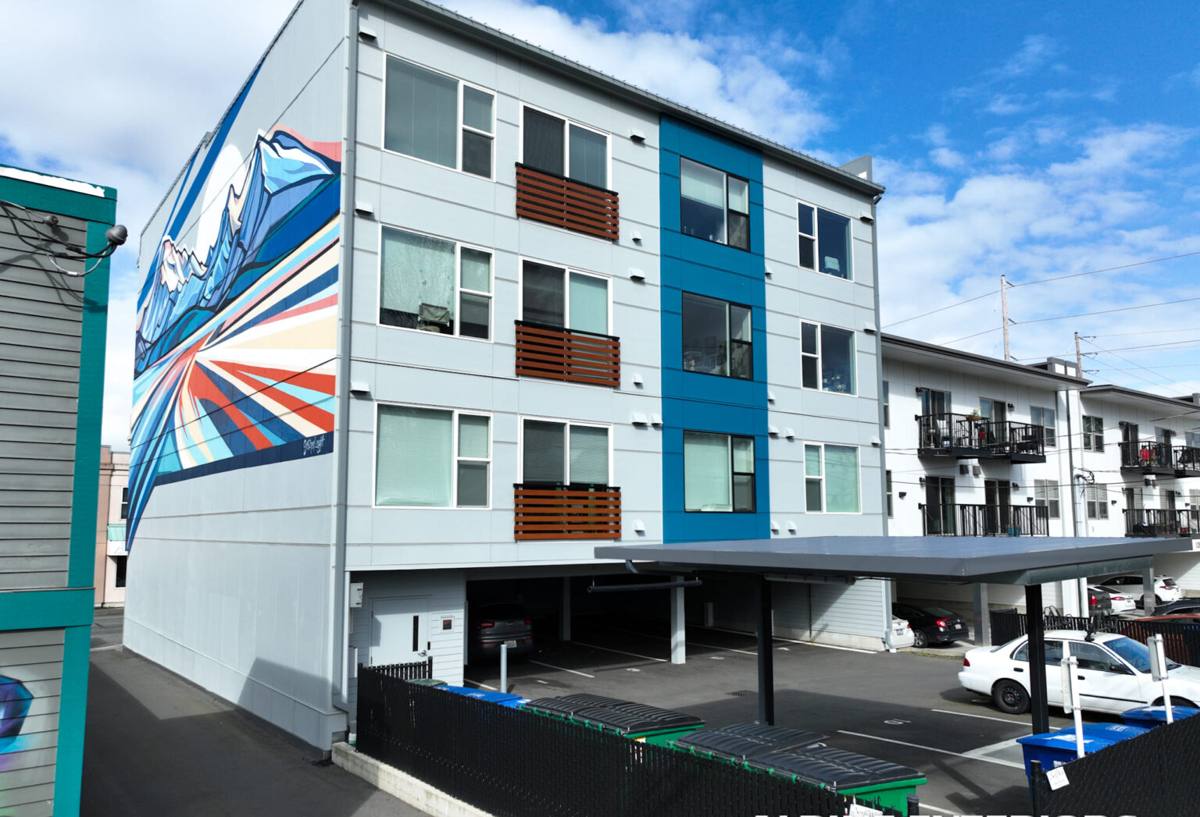
What Salt Air, Driving Rain, and Moss Actually Do to Your Walls
Salt Air
Airborne salt is corrosive to metal fasteners, trim, and flashing, and it accelerates the breakdown of some paints and coatings. Over years, siding facing the water side of a home takes on a different weathering pattern than siding on the sheltered side of the same house — a difference that shows up as chalking, fading, or coating failure well ahead of schedule.
Driving Rain
Wind-driven rain doesn't behave like a normal rain shower. It finds horizontal laps, corner trim, and butt joints and pushes water sideways and even slightly upward under pressure. Siding systems and installation details that only assume gravity-fed drainage — rather than pressurized wind-driven moisture — are the ones that let water behind the cladding first.
Moss and Organic Growth
Shaded, north-facing, and tree-adjacent walls in this climate stay damp for extended stretches during the wet season. Materials that absorb moisture or that don't dry out quickly give moss and mildew a foothold, and once organic growth establishes itself on a wall, it holds even more moisture against the surface — a cycle that speeds up rot and coating failure underneath.
| Material | Salt Air Exposure | Wind-Driven Rain | Moss/Moisture Resistance |
|---|---|---|---|
| Vinyl | Doesn't corrode, but can chalk, warp, or become brittle over time | Prone to water intrusion at laps if not detailed carefully; doesn't stop moisture, just sheds it | Doesn't feed growth itself, but traps moisture behind it if installed too tight |
| Primed Wood / Cedar | Coatings break down faster near salt spray | Absorbs water at end grain and joints, prone to swelling | Organic material — most susceptible to rot and moss without diligent upkeep |
| Engineered Wood (LP SmartSide) | Coatings wear, edges vulnerable if not sealed | Engineered wood core can swell if moisture reaches cut edges or laps | Wood-based core is vulnerable to moisture wicking if the outer treatment is compromised |
| James Hardie Fiber Cement | Non-combustible, dimensionally stable material; ColorPlus finish engineered for UV and weather exposure | HZ5 products engineered for wet, harsh climates; correct lap and flashing detail sheds wind-driven rain | Won't rot; resists moisture absorption far better than wood-based products |
Why We Only Install James Hardie Fiber Cement in Blaine
We've made a standing decision not to install vinyl, LP SmartSide, Cemplank, Allura, primed spruce, or cedar siding — not because every one of those products is bad in every climate, but because Blaine's combination of salt air, driving rain, and a long moss season punishes their specific weak points harder than most places in the state. Vinyl can shed water reasonably well but doesn't stop it, and it isn't a fire-resistant material. Wood and wood-based products give moisture a path in through end grain, cut edges, and coating breaks, and that's a maintenance commitment most homeowners underestimate until they're repainting or patching rot a few years in.
James Hardie fiber cement is engineered specifically for this kind of exposure. It's non-combustible, dimensionally stable (it doesn't expand and contract with moisture the way wood does), and the HZ5 product line is formulated for harsh, wet climates rather than a one-size-fits-all national spec. The factory-applied ColorPlus finish is baked on under controlled conditions, which gives it more consistent, longer-lasting color and weather resistance than field-applied paint — a real advantage on a home that's taking direct salt spray and horizontal rain. It also carries a strong transferable warranty, which matters on a coastal home where you want documented protection against the exact conditions Blaine puts siding through.
What a Correct Siding Replacement Involves
Tear-Off and Inspection
A proper siding replacement starts by removing the existing siding down to the sheathing, not covering over it. That's the only way to actually inspect for hidden rot, soft sheathing, or water damage around windows, doors, and penetrations — problems that are common on older coastal homes and that get sealed in (and get worse) if you just re-side over them.
Weather-Resistive Barrier and Flashing
Behind the siding, a correctly installed weather-resistive barrier and properly lapped flashing at windows, doors, and every penetration is what actually keeps wind-driven rain out of the wall assembly. This is the detail that separates a siding job that holds up in Blaine's climate from one that looks fine for a few years and then starts showing water stains and soft spots.
Fastening and Clearances for Coastal Wind
Fastener spacing and type matter more on a home exposed to strong coastal wind gusts than they do on a sheltered inland lot. Hardie siding also needs proper clearance from grade, roofing, and decks to keep splashback and standing moisture away from the bottom courses — a detail that's easy to skip and expensive to ignore once moss and moisture start working on an under-clearanced bottom edge.
Our Siding Replacement Process
- On-site assessment — we look at sun/shade exposure, wind exposure relative to the water, existing moisture damage, and trim/flashing condition before recommending a scope of work.
- Tear-off and sheathing check — old siding comes off, sheathing is inspected and repaired where needed before anything new goes up.
- Weather barrier and flashing installation — a continuous weather-resistive barrier and correctly lapped flashing at every window, door, and penetration.
- Hardie installation to manufacturer spec — correct fastener type and spacing, proper clearances from grade and roofing, and attention to lap and joint detailing built for wind-driven rain.
- Final inspection and walkthrough — we go over the finished work with you before calling the job done.
Why a Crew That Already Works in Blaine Matters
Siding installation quality depends heavily on details that a crew either already understands or has to learn on your house. A contractor who regularly works in Blaine and similar Whatcom County coastal areas already knows how to detail flashing for wind-driven rain, how much clearance a wall facing open water actually needs versus a code-minimum number, and where moss tends to establish itself on local homes based on orientation and tree cover. That's experience you don't have to pay to have learned on your project — it comes with the crew.
Local familiarity also matters for practical reasons: knowing the permitting expectations in Whatcom County, having a realistic sense of weather windows for tear-off and installation on the coast, and being reachable for warranty or follow-up questions without a long drive.
What Siding Replacement Costs Depend On
We don't quote a number without seeing the house, but the main factors that drive cost on a Blaine siding replacement project are consistent from home to home:
| Factor | Why It Matters |
|---|---|
| Home size and wall complexity | More square footage and more corners, gables, and trim detail mean more material and labor |
| Condition of existing sheathing | Hidden rot or water damage found during tear-off adds repair scope before new siding goes on |
| Siding profile and trim selection | Lap width, trim style, and accessory choices affect material cost |
| Number of stories and access | Multi-story or hard-to-access walls take more time and equipment |
| Wind and water exposure | Homes with direct exposure to the water may need additional flashing and clearance detailing |
Keeping Your New Siding Looking Right
Fiber cement is low-maintenance compared to wood, but "low-maintenance" doesn't mean "no maintenance," especially in a climate this active. A few habits go a long way:
- Rinse siding annually, especially on shaded or water-facing walls where salt and organic buildup accumulate fastest
- Keep gutters clear so overflow doesn't run down the wall face and feed moss growth
- Trim back vegetation and tree cover that keeps siding shaded and damp longer than necessary
- Check caulking and trim joints yearly and have gaps resealed before wind-driven rain finds them
- Address any soft spots, staining, or discoloration early rather than waiting for it to spread
If your Blaine home's siding is showing its age or you're planning ahead for a replacement, we're happy to walk the exterior with you and give you a straightforward, no-pressure estimate — just fill out the form below to get started.