 Ferndale Window
 Semiahmoo Sits in a Tougher Climate Zone Than Most of Ferndale
Homes in and around the Semiahmoo area take a different kind of weather beating than houses a few miles inland. Being closer to the water means more direct exposure to salt-laden air, stronger wind-driven rain off the water, and shade patterns from mature evergreens that keep siding damp longer after a storm passes. None of that is dramatic on its own, but stacked together year after year, it shortens the life of siding that isn't built for it and speeds up the damage on siding that's already struggling.
We work siding repair calls across Whatcom County, but the Semiahmoo area gets a specific approach because the failure patterns are specific. Salt air accelerates corrosion on fasteners and metal flashing. Driving rain finds gaps that would stay dry in a more sheltered location. And the long, damp moss season here means algae and moss get a real foothold on any siding surface that stays shaded and wet — which, on a lot of these lots, is most of the north and west-facing walls for a good chunk of the year.
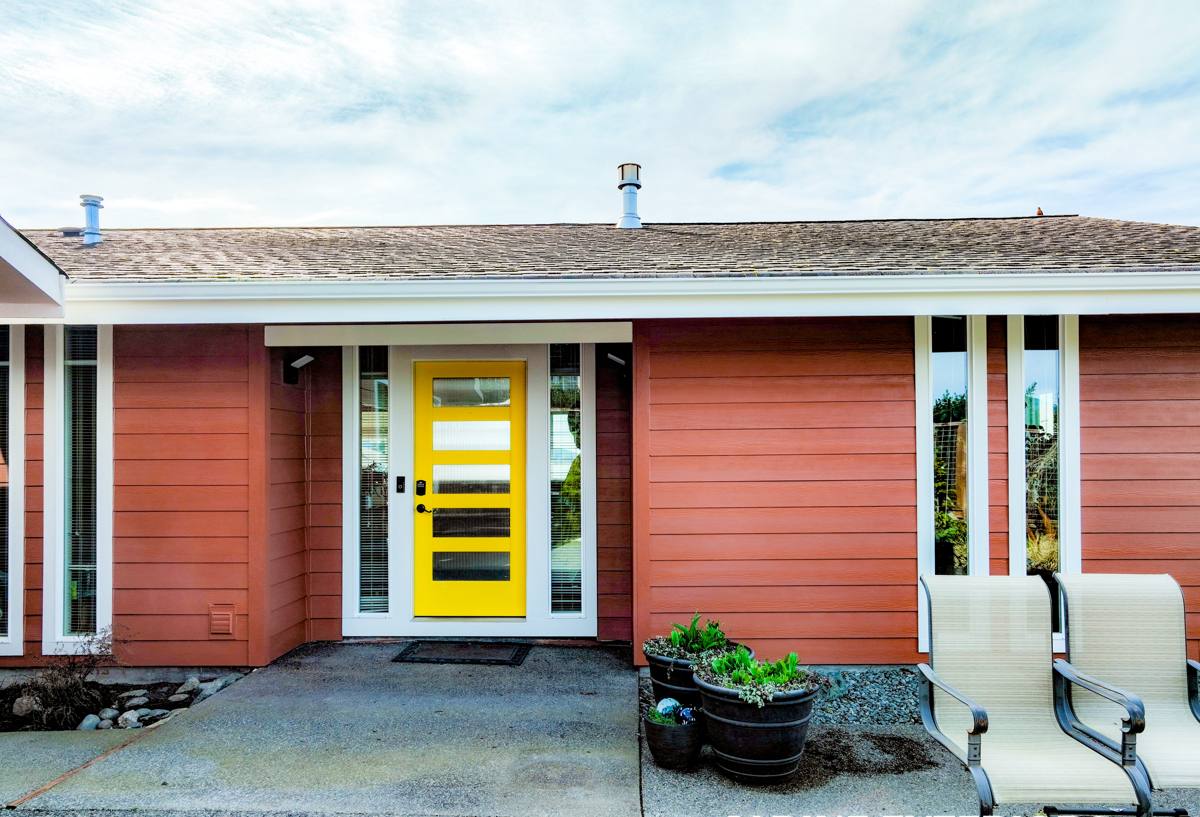
What Salt Air, Rain, and Moss Actually Do to Siding
Salt Air and Metal Fatigue
Salt-laden coastal air is corrosive to unprotected or poorly coated metal. Nail heads, flashing, and fastener systems that aren't rated for coastal exposure can start rusting years before they would inland. Once a fastener corrodes and loses its grip, the siding piece it's holding starts to work loose, and that's an open door for water.
Wind-Driven Rain and Hidden Moisture
Rain that comes in sideways during a coastal storm doesn't behave like rain falling straight down. It gets pushed up under laps, into seams, and behind trim that would otherwise shed water fine. If the house wrap, flashing, and caulking underneath aren't done correctly, that moisture gets past the surface and starts working on the sheathing and framing behind it — long before anything looks wrong from the driveway.
Moss, Algae, and Constant Dampness
Shaded siding that never fully dries between rain events becomes a growing surface for moss and algae. Beyond the cosmetic issue, sustained dampness against a siding surface — especially wood-based or poorly sealed products — softens material over time and keeps moisture pressed against seams and cut edges where it does the most damage.
Signs a Semiahmoo Home Needs Repair, Not Just a Wash
A pressure wash or a coat of paint can make tired siding look better for a season without fixing what's actually wrong underneath. These are the signs that point to an actual repair need:
- Soft or spongy spots when you press on the siding, especially near the bottom courses or around window trim
- Visible gaps, cracks, or separated seams at butt joints and corners
- Paint or finish that's bubbling, peeling, or failing in patches rather than evenly across a wall
- Persistent black or green staining that comes back quickly after cleaning
- Rust streaks running down from nail heads or flashing
- Warping, bowing, or boards that no longer sit flat against the wall
- Musty smell or visible staining on the interior wall opposite a suspect exterior section
Any one of these can be isolated and minor. Several of them together, especially on the sides of the house that face prevailing wind and get the least sun, usually means water has already gotten past the surface.
What a Correct Siding Repair Actually Involves
A repair that just replaces the visibly damaged board and moves on is a repair that's likely to fail again. Siding damage is almost always a symptom — the actual problem is usually a flashing gap, a failed seal, or a drainage plane that isn't doing its job. A repair done right treats the cause, not just the symptom.
Diagnosis Before Demolition
We start by figuring out how water is getting in, not just where the damage shows up. That means checking flashing at windows, doors, and roof-to-wall transitions, looking at how the house wrap is lapped and sealed, and tracing water paths rather than assuming the nearest board is the whole story.
Removing Damaged Material the Right Way
Damaged boards, trim, or sheathing get removed carefully so we're not creating new openings in the surrounding material. If the sheathing or framing underneath has taken on moisture damage, that gets addressed before anything new goes back on — covering over compromised structure with new siding just hides the problem for a while longer.
Correcting the Water Management Layer
This is the step that gets skipped in a lot of quick patch jobs, and it's the one that matters most in a wind-driven-rain environment like this one. House wrap gets repaired or replaced where it's torn or improperly lapped, flashing gets corrected so water sheds down and out instead of behind the wall, and seams get sealed with products rated for the exposure.
Installing New Siding to Spec
New siding material goes in following manufacturer fastening, spacing, and clearance specifications — not just "close enough." Gaps at the bottom of the siding, proper clearance from grade and roofing, and correct nail placement all affect how well the repair holds up long-term.
Repair or Replace: How We Help You Decide
Not every problem area needs a full re-side, and not every home is better served by patch repairs. The right call depends on how widespread the damage is, what's causing it, and what's actually left of the siding's useful life.
| Factor | Points Toward Repair | Points Toward Replacement |
|---|---|---|
| Extent of damage | Isolated to one or two areas | Recurring across multiple walls |
| Cause | One identifiable flashing or seal failure | Systemic gaps in house wrap or original install |
| Siding age | Well within expected service life | Near or past the end of its expected life |
| Material condition elsewhere | Rest of siding still sound and well-sealed | Widespread softening, warping, or paint failure |
| Underlying sheathing | Dry, sound wood behind the repair area | Rot or moisture damage found during inspection |
We'll walk you through what we find and give you a straight answer on which side of that line your home falls on — not a push toward the bigger job by default.
Why We Use James Hardie Fiber Cement for Repair Material
When a repair calls for new siding material — whether it's a few boards or a full section — we install James Hardie fiber cement. It's the only siding product we install, on repairs and full re-sides alike, because we've seen how it holds up against exactly the conditions the Semiahmoo area sees: sustained dampness, salt-influenced air, and long stretches without direct sun to dry things out. Fiber cement doesn't feed moss and algae growth the way some wood-based products can, it's non-combustible, and it holds its factory-applied ColorPlus finish far longer than field-applied paint, which matters when you're trying to match a repair patch into existing siding down the road.
We know that's not always a perfect match if your home currently has a different siding product — vinyl, wood, or another fiber cement brand. In those cases we're upfront about what a repair with Hardie material will look like next to what's there, and where a color or profile match is realistic versus where it isn't. We'd rather tell you that plainly than oversell a seamless patch that won't actually look seamless.
Why a Local Crew Matters for Coastal Repairs
Siding repair in a coastal-influenced area isn't the same trade as siding repair fifty miles inland, even though the tools and materials look the same. A crew that regularly works the Semiahmoo area already knows which wall orientations take the worst of the wind-driven rain, where moss builds up fastest, and which older flashing details in this area tend to fail first. That local pattern recognition speeds up diagnosis and means fewer surprises once we open a wall up.
It also means faster response. Water damage doesn't wait for a convenient scheduling window — a small leak behind siding gets worse every week it sits, especially through a wet Whatcom County fall and winter. Being an established local crew means we can usually get eyes on a problem quickly rather than adding you to a long out-of-area queue.
Our Repair Process, Start to Finish
- Free on-site inspection, including moisture assessment where damage suggests water intrusion
- Honest diagnosis of the cause, not just the visible symptom
- Clear explanation of repair versus replacement, with reasoning you can follow
- Written estimate before any work begins — no surprise scope creep
- Careful removal of damaged material and correction of the underlying water management layer
- Installation of new James Hardie material to manufacturer spec
- Final walkthrough so you can see exactly what was done and why
Simple Maintenance That Extends the Life of a Repair
A correct repair should last, but a little seasonal attention goes a long way in this climate. A few habits worth building in:
- Rinse moss and algae off shaded siding sections once or twice a year before it gets a firm hold
- Trim back branches and shrubs that keep siding shaded and slow to dry
- Walk the exterior after major windstorms and check for anything visibly loosened or displaced
- Keep gutters clear so overflow isn't running down the face of the siding
- Recaulk trim and penetration points if a sealant bead starts to crack or pull away
None of this replaces a professional inspection when something looks or feels wrong, but it does reduce how often you need one.
What Influences the Cost of a Siding Repair
| Factor | Why It Matters |
|---|---|
| Size of the affected area | More boards and more wall area means more material and labor |
| Condition of the sheathing underneath | Rotted sheathing adds structural repair before new siding goes back on |
| State of the water management layer | Replacing or correcting house wrap and flashing adds scope but prevents repeat failure |
| Access and wall height | Second-story or hard-to-reach sections take more setup and time |
| Color and profile matching | Matching existing siding closely can affect material sourcing |
Every home is different, which is why we give real numbers after an in-person look rather than a ballpark over the phone.
If you're seeing signs of siding trouble on a Semiahmoo-area home, we're happy to take a look and give you a straight, no-pressure assessment of what's going on and what it would take to fix it right. The estimate is free, and there's no obligation attached to it — just fill out the form below to get started.