 Ferndale Window
 Board & Batten Siding Built for a Waterfront Address
Semiahmoo sits about as close to the water as a home in Whatcom County can get, and that changes what "good siding" means. A board and batten profile that would hold up fine ten miles inland can fail early on Semiahmoo Spit if it's built with the wrong material, the wrong fasteners, or gaps in the flashing detail. We install board and batten siding specifically for this stretch of coastline, and this page covers what that actually requires — not the generic version.
Board and batten itself isn't new. It's vertical wide panels with narrow battens covering the seams, and it's been used on Pacific Northwest homes and outbuildings for well over a century because the vertical lines shed water instead of collecting it on horizontal ledges. That's a real advantage in a place that gets driving rain off the bay. But the profile only performs as well as the material and the installation behind it.
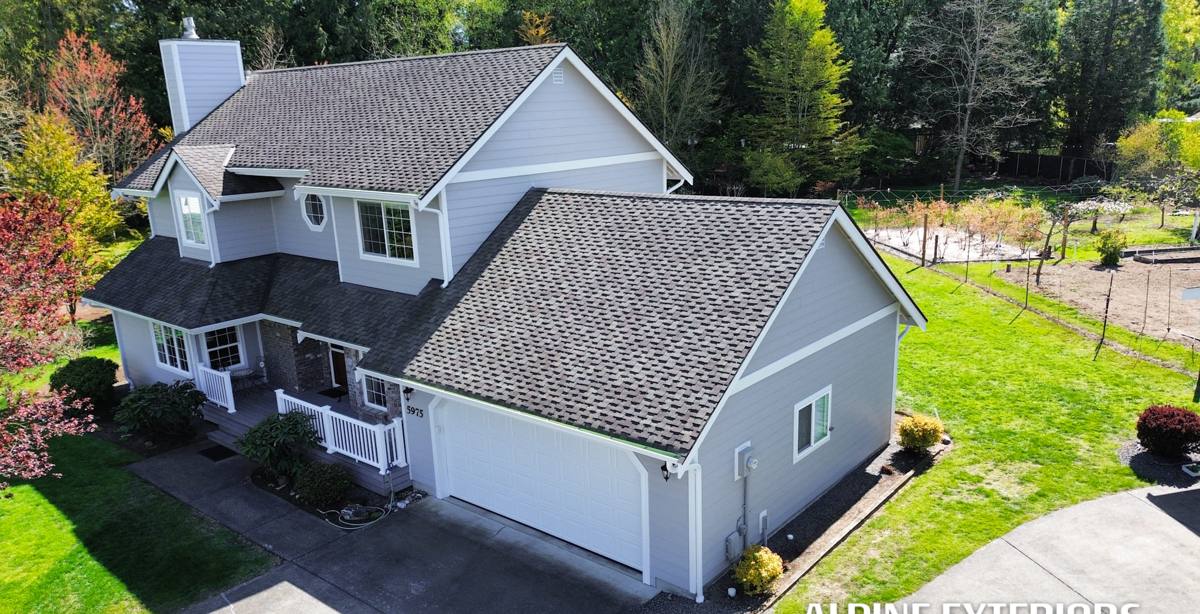
What Semiahmoo's Climate Actually Does to Siding
Three things work against exterior siding here, and they compound each other:
- Salt air: Airborne salt from Semiahmoo Bay and Drayton Harbor accelerates corrosion on fasteners, trim caps, and any metal flashing that isn't rated for coastal exposure. It also degrades cheap paint finishes faster than inland weathering does.
- Driving rain: Wind off open water doesn't just fall on siding, it pushes water sideways and up under laps and battens. Board and batten depends on correctly lapped or back-primed edges and properly sealed seams to keep that wind-driven moisture out of the wall cavity.
- Long moss season: Whatcom County's wet season runs long, and north- and shade-facing walls near mature trees or water can stay damp for weeks at a stretch. Moss and algae hold moisture against the siding face, which is a slow but real threat to any material that can absorb water or swell.
None of these are dramatic, one-time events. They're steady, cumulative pressure — which is exactly the kind of exposure that separates siding systems that hold up for decades from ones that need constant attention after year five.
Why This Matters More for Board and Batten Specifically
Board and batten has more linear seams than lap siding of the same wall area — every batten strip covers a joint, and every joint is a potential water path if the material behind it swells, cups, or the caulk fails. On a normal inland lot that's a minor maintenance item. On a spit exposed to salt-laden wind and driving rain, it's the detail that determines whether the siding looks the same in fifteen years or needs board replacement in five.
Why We Only Install James Hardie Fiber Cement
We don't offer board and batten in vinyl, LP SmartSide, primed spruce, cedar, or other fiber cement brands. That's a deliberate standard, not a lack of options, and on a property like Semiahmoo the reasoning is straightforward:
| Material | How it handles this climate |
|---|---|
| Wood (cedar, primed spruce) | Looks right for the region, but absorbs moisture at end grain and seams; in a long wet season near open water it needs frequent repainting and is more vulnerable to rot at battens and bottom edges. |
| Vinyl | Won't rot, but it expands and contracts with temperature swings, can warp or crack in wind-driven weather, and the color is molded in — once it fades or chalks from UV and salt exposure, there's no refinishing it. |
| Engineered wood (LP SmartSide) | More moisture-resistant than raw wood, but it's still a wood-strand product with treated edges; any breach at a fastener or unsealed cut edge gives water a path to swell the core over time. |
| James Hardie fiber cement | Cement, sand, and cellulose fiber — non-combustible, doesn't rot, and holds dimensionally stable in wet-dry cycling. ColorPlus factory finish is baked on and warranted against fade and peeling, which matters where salt air degrades ordinary paint faster. |
We're not claiming other materials are unusable everywhere — plenty of homes wear them fine in drier climates. We're saying that on this stretch of Whatcom County coastline, the trade-offs stack against them, and fiber cement is the material that holds its line, its color, and its seams under sustained marine exposure.
What a Correct Board & Batten Install Involves Here
The material choice is half the job. The other half is installation detail, and this is where a lot of siding problems actually start — even with good product.
Fasteners and Hardware
Standard fasteners corrode faster in salt air. We use corrosion-resistant fasteners rated for coastal and high-moisture exposure, and the same standard applies to any exposed trim flashing or caps — galvanized isn't always enough this close to the water.
Water Management Behind the Panel
Board and batten needs a drainage plane behind it, not just a house wrap stapled flat. Proper installation includes a weather-resistive barrier, correctly lapped and taped seams, and rainscreen or furring where the wall assembly calls for it, so any moisture that does get past the battens has somewhere to drain instead of sitting against the sheathing.
Flashing at Every Penetration
Windows, doors, hose bibs, light fixtures, vents — every penetration through board and batten siding needs step or head flashing sized and lapped correctly. On a wind-exposed site, a missed flashing detail is usually where the first leak shows up, often years later and well inside the wall before anyone notices.
Batten Spacing and Fastening
Battens need consistent spacing over the panel joints and fastening that accounts for the fiber cement's expansion characteristics — not hammered tight the way you'd nail cedar. Manufacturer fastener schedules exist for a reason; skipping them is one of the most common ways a board and batten job underperforms its material.
Our Process for a Semiahmoo Board & Batten Job
- On-site assessment: We walk the exterior, check current siding condition, look at wind exposure by elevation, and note any existing moisture or rot issues before quoting anything.
- Product and color selection: We go over Hardie's board and batten profiles and ColorPlus finish options, and talk through what performs best on the exposures your home actually faces — north wall, water-facing wall, and sheltered wall aren't the same problem.
- Written estimate: Clear scope, material, and price before any work starts. No surprise change orders for basic flashing or water management — that's part of the job, not an upsell.
- Tear-off and inspection: Once old siding comes off, we inspect sheathing for hidden moisture damage. This is often the first real look at a wall's condition in years, and it matters more on exposed coastal walls.
- Water barrier and flashing install: Weather-resistive barrier, flashing at every penetration, and rainscreen where called for — done before a single panel goes up.
- Board and batten installation: Panels and battens installed to Hardie's fastening and clearance specs, including ground clearance and proper caulking at seams.
- Final walkthrough: We review the finished work with you and flag any maintenance items — most homes need very little ongoing care with fiber cement, but we'll tell you honestly if anything needs attention.
Why Hire a Crew That Already Works This Area
A crew that mainly works inland jobs may not think twice about fastener grade, may skip a rainscreen detail that's optional in a dry climate, or may not flag a moss-prone north wall as a design consideration. None of that shows up as a problem on day one — it shows up in year six or seven, as premature caulk failure, corroded fastener heads bleeding rust streaks down the siding, or soft spots at the base of battens.
Working coastal Whatcom County regularly means we've already seen what does and doesn't hold up on spit and waterfront lots — Semiahmoo, Blaine, and the Ferndale shoreline share enough of the same exposure that the lessons carry over directly. That's not a marketing point, it's just what happens when a crew keeps working the same climate instead of treating every job as generic.
Maintenance Homeowners Should Actually Expect
- Rinse siding periodically to clear salt residue and organic buildup, especially on walls facing the water or shaded by trees.
- Check caulk at seams and trim every year or two — caulk is the one component that ages faster than the siding itself and is cheap to refresh before it fails.
- Keep gutters and downspouts clear so roof runoff isn't dumping extra water down a wall face.
- Watch for moss or algae on north-facing or shaded battens and clean it before it holds moisture long-term.
- Have fastener heads and flashing checked during any other exterior work — small corrosion caught early is a non-event; ignored, it isn't.
None of this is heavy maintenance. It's the difference between siding that looks and performs the same at year twenty and siding that starts showing its age at year eight.
Get a Straight Answer for Your Property
Every lot on Semiahmoo faces the weather a little differently depending on which direction it's exposed and how close it sits to open water. If you're weighing board and batten for a Semiahmoo home, we'll walk the property, look at your actual exposure, and give you a straightforward, no-pressure estimate — no generic pricing, no upsell pressure, just what the job actually needs. Fill out the form below to get started.