 Ferndale Window
 Point Roberts Roofs Work Harder Than Most
Point Roberts sits out on its own — a small peninsula community bordered by water on three sides, tucked into Whatcom County's northwest corner. That location is part of what makes it a beautiful place to live, and it's also exactly why roofs here wear out faster than roofs just a few miles inland. Salt-laden air off the water accelerates corrosion on metal components. Wind-driven rain finds every weak seam and gap in flashing. And the marine, often shaded microclimate keeps roof surfaces damp long after a storm has passed, which is exactly what moss needs to take hold. A roof replacement out here isn't a generic job — it's a job that has to be built for these specific conditions from the decking up.
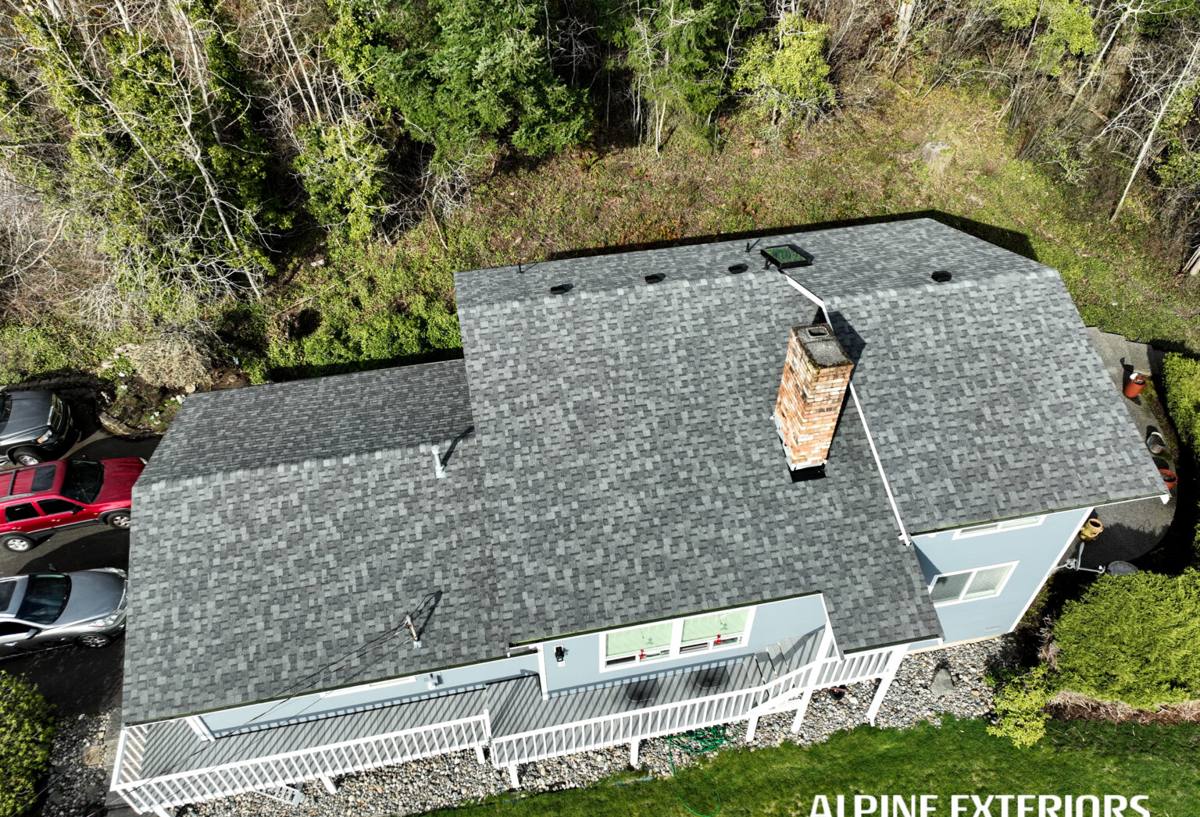
What the Coastal Climate Actually Does to a Roof
Salt Air and Corrosion
Airborne salt is corrosive to exposed metal — flashing, drip edge, nail heads, gutter hardware, and vent stacks all take the hit over time. Standard galvanized fasteners and trim can start to rust and streak years before they would inland. On a coastal roof, the fastener and flashing spec matters as much as the shingle brand.
Driving Rain and Wind
Open exposure means storms don't just drop rain straight down — they push it sideways, under shingle tabs and into any flashing detail that isn't sealed and lapped correctly. A roof that would hold up fine in a sheltered inland yard can leak at the same details out here simply because the wind is loading the water differently.
Moss and Prolonged Moisture
A long, damp moss season is normal for this part of Whatcom County, and Point Roberts' marine air keeps roofs wetter for longer stretches. Moss holds moisture against the roofing material, lifts shingle edges as it grows, and works its way into any spot where granule coverage is already thin. Left unmanaged, it shortens the life of an otherwise sound roof.
Signs a Point Roberts Roof Needs Replacing, Not Patching
Not every roofing problem out here calls for a full replacement — plenty of issues are legitimate repairs. But there's a point where patching becomes a waste of money and a new roof is the honest answer. Watch for:
- Granule loss heavy enough that shingles look bald or patchy, especially on south- and west-facing slopes
- Curling, cupping, or cracked shingles across multiple areas of the roof, not just one isolated spot
- Moss or algae growth that keeps coming back within a season or two of cleaning
- Soft or spongy decking felt underfoot during inspection, a sign moisture has reached the sheathing
- Rust streaking or corrosion around flashing, vents, or metal valleys
- Daylight visible through the attic roof deck, or water stains on attic framing and insulation
- A roof that's approaching or past the manufacturer's expected service life for this climate
- Repeated leaks in different spots after storms, rather than one consistent trouble area
What a Correct Replacement Involves
Full Tear-Off, Not a Layover
We remove the existing roofing down to the deck rather than layering new shingles over old. Layovers hide deck problems, trap moisture, and shorten the life of the new roof — not a shortcut worth taking on a coastal home that's already fighting extra moisture exposure.
Deck Inspection and Repair
Once the old roofing is off, we inspect the sheathing for soft spots, delamination, or rot, particularly around valleys, eaves, and any prior leak points. Damaged sections get replaced before anything new goes down — a new roof is only as good as the deck underneath it.
Underlayment and Ice/Water Protection
Given the amount of wind-driven rain this area sees, we pay close attention to underlayment coverage and self-adhered protection at eaves, valleys, and roof penetrations — the spots where wind-blown water is most likely to test the system.
Flashing and Fasteners Built for Salt Air
Around chimneys, valleys, sidewalls, and vent penetrations, we use flashing and fastener materials suited to coastal exposure rather than the cheapest standard option — this is one of the details that separates a roof that lasts out here from one that starts corroding within a few years.
Ventilation That Matches the House
Proper intake and exhaust ventilation keeps the attic dry and temperature-balanced, which protects the new decking and helps prevent the kind of trapped moisture that feeds moss and mildew from underneath. We size and balance ventilation to the specific roof, not a one-size-fits-all vent count.
Comparing Roofing Materials for a Coastal Climate
There's no single "best" material for every home — the right choice depends on budget, roof pitch, style of the house, and how much long-term maintenance the homeowner wants to take on. Here's an honest look at the common options in this climate:
| Material | Coastal Performance | Maintenance | Typical Lifespan |
|---|---|---|---|
| Architectural asphalt shingle | Good with proper flashing and ventilation; wide product selection | Periodic moss treatment and gutter care | 20-30 years |
| Standing-seam metal | Excellent water shedding; needs marine-grade fasteners and coatings to resist salt corrosion | Low; occasional fastener and seam check | 40-60+ years |
| Cedar shake | Traditional look but more sensitive to sustained moisture and moss in a marine climate | Higher; regular treatment and inspection needed | 20-30 years with upkeep |
We'll walk through which option fits your home, your budget, and how much upkeep you actually want to sign up for — including honest trade-offs, not just the upside.
What Affects the Cost of a Point Roberts Roof Replacement
Every roof is priced on its own specifics, but the main cost drivers on this peninsula tend to be the same handful of factors:
- Roof size and pitch — steeper, more complex roofs take longer and require more safety setup
- Number of layers being removed and condition of the decking underneath
- Material choice, from standard asphalt through metal or cedar
- Amount of flashing, valleys, and penetrations (chimneys, skylights, vents)
- Access and logistics for getting crews, equipment, and material to a peninsula community
- Any structural or ventilation upgrades needed along the way
We give a real, itemized number after seeing the roof in person — not a phone-quote guess.
Our Process, Start to Finish
1. On-Site Inspection and Written Estimate
We walk the roof and attic, document current condition, and put together a clear written estimate with material options — no pressure to decide on the spot.
2. Material Selection
We help you weigh the coastal-performance trade-offs in the comparison above against your budget and the look you want for the house.
3. Scheduling Around Logistics
Because Point Roberts is only reachable by crossing an international border, we build crew and delivery schedules with that reality in mind, so material and manpower actually show up when planned.
4. Tear-Off, Deck Repair, and Installation
Full removal, deck inspection and repair, then installation of underlayment, flashing, ventilation, and the finished roofing material, in that order — no skipped steps.
5. Final Walkthrough and Cleanup
We inspect the finished roof with you, review workmanship and material warranty coverage, and do a full site cleanup, including a magnetic sweep for stray nails.
Why a Crew That Already Works Point Roberts Matters
Point Roberts isn't like scheduling a job in a typical neighborhood. It's an exclave, reachable only by crossing into and back out of Canada or by water — which means border logistics, timing, and documentation for crew and material transport are part of the job before a single shingle comes off the roof. A crew that hasn't worked out here before can lose a full day just figuring that out, and that's a day added to your project timeline and, often, your bill.
There's also the climate-specific know-how: which flashing and fastener specs actually hold up against the salt air, how much ventilation this particular microclimate calls for, and where moss tends to establish first on local roofs. That's knowledge you build by working the area repeatedly, not by reading a spec sheet once. As a Ferndale-based crew that already handles jobs out on the peninsula, we've built the logistics and the material knowledge into how we plan and price every Point Roberts roof — so estimates are realistic and schedules actually hold.
Licensing, Insurance, and What to Ask Before You Hire
Whatever contractor you choose for a Point Roberts roof replacement, confirm they hold current Washington State contractor licensing and carry active liability insurance and workers' compensation coverage — you can verify licensing status directly through the Washington State Department of Labor & Industries. Ask for a written estimate that itemizes tear-off, decking repair contingencies, material, and labor separately, and ask directly how they handle border crossing and material delivery logistics for the peninsula. A straight answer to that last question tells you a lot about whether they've actually done the work out here before.
If you're weighing a roof replacement on Point Roberts, we're happy to take a look and give you a straight answer on what your roof actually needs — no pressure, no inflated scope. Use the form below to request a free estimate.