 Ferndale Window
 Siding Built for Kendall's Setting, Not Just Any House
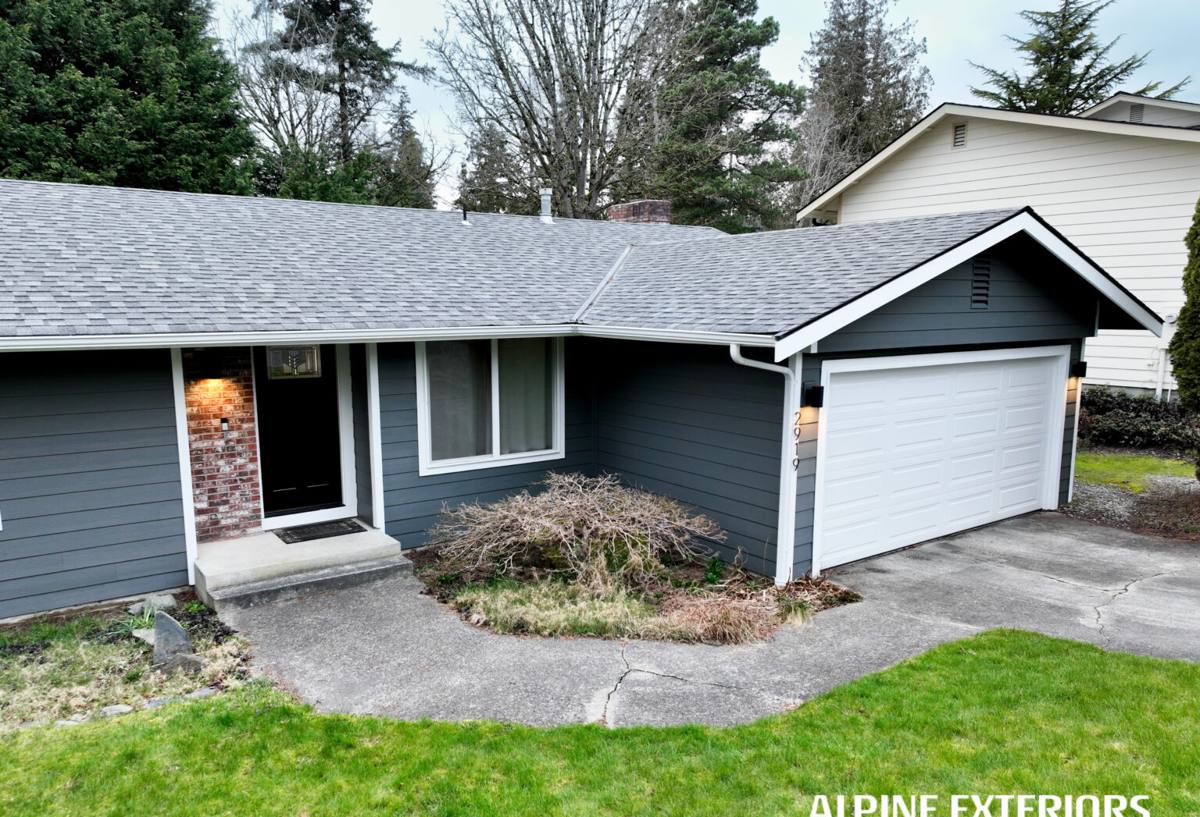
Kendall sits in one of the wetter, greener corners of Whatcom County, tucked in among trees and creek drainages on the way toward the Mount Baker foothills. That setting is a big part of why people live out there — but it's also tough on the outside of a house. Heavy tree cover means more shade, more standing moisture on exterior walls, and a longer window each year when siding simply doesn't get a chance to dry out between storms. Add in Whatcom County's driving rain and a moss season that can stretch from fall through spring, and you have a climate that punishes siding materials that aren't built to shed water and resist organic growth.
A siding installation in Kendall isn't just a cosmetic project. It's the single biggest factor in whether the wall behind it stays dry, whether trim and sheathing hold up over the next few decades, and whether you're dealing with moss scrubbing and repainting every couple of years. We approach every Kendall job with that in mind — the goal isn't just to make a house look good on installation day, it's to make sure it still looks good and performs well ten and twenty years out.
What Kendall's Climate Actually Does to Siding
Homeowners who haven't dealt with a siding failure often assume rain is rain. But the combination of factors around Kendall — shade, humidity, and prolonged wet periods — creates specific failure patterns:
- Moisture that lingers. Shaded, tree-lined lots dry out slower than open lots. Siding on the north and west sides of a Kendall home can stay damp for days after a storm passes.
- Moss and algae growth. Damp, shaded surfaces are exactly what moss needs to take hold. On the wrong material, moss doesn't just sit on top — it can hold moisture against the surface and accelerate deterioration underneath.
- Freeze-thaw stress. Whatcom County gets cold snaps that follow wet stretches. Water trapped in siding that has already absorbed moisture can freeze, expand, and crack or delaminate the material.
- UV and moisture cycling on finishes. Paint and stain on wood-based siding break down faster when they're constantly cycling between soaked and drying, which is common in a shaded, rainy setting like Kendall's.
None of this is unique to any one house — it's the baseline reality of building in this part of Whatcom County. The difference between a siding job that holds up and one that doesn't usually comes down to two things: the material itself, and whether it was installed correctly for this climate.
Why We Install Only James Hardie Fiber Cement
We don't install vinyl, LP SmartSide, Cemplank, Allura, primed spruce, or cedar. That's a deliberate standard, not a lack of options. Fiber cement from James Hardie is engineered specifically to resist the moisture, freeze-thaw cycling, and organic growth that define climates like Kendall's:
- It's non-combustible, which matters more every year as wildfire smoke seasons stretch longer in the Pacific Northwest.
- The ColorPlus factory finish is baked on under controlled conditions, so it resists fading and doesn't rely on a field-applied coat of paint to hold up to constant wet-dry cycling.
- James Hardie's HZ product lines are climate-engineered — the HZ5 formulation used in our region is built for wetter, colder conditions rather than a generic one-size-fits-all product.
- It doesn't feed moss and algae the way wood-based products can, and it doesn't swell, rot, or delaminate when it stays damp.
- It carries a strong, transferable manufacturer warranty backed by decades of real-world performance in wet climates.
We're not going to pretend other products don't have their place — vinyl is inexpensive, LP SmartSide has real fans, and cedar has genuine curb appeal. But we've made a professional call: in a climate like Kendall's, the long-term maintenance burden and moisture risk of those alternatives isn't worth it. Fiber cement is what we're willing to put our name on.
What a Correct Installation Actually Involves
Siding is only as good as what's behind it and how it's fastened. A rushed or generic installation can undercut even the best material. On a Kendall home, we pay particular attention to:
Water Management Behind the Siding
Every installation includes a properly lapped weather-resistant barrier (WRB), correctly integrated flashing at windows, doors, and roof intersections, and a drainage plane that lets any incidental moisture escape instead of getting trapped against the sheathing. In a high-moisture setting like Kendall, this layer matters as much as the siding itself.
Proper Clearances and Gaps
James Hardie specifies minimum clearances from grade, roof lines, decks, and other siding terminations. Skipping these is one of the most common ways a fiber cement installation fails early — trapped moisture at the bottom edge of a board doesn't care how good the material is.
Fastening to Spec
Fiber cement has specific nailing patterns, fastener types, and blind- versus face-nailing requirements depending on the product line and application. Installed wrong, boards can crack, cup, or work loose over time — especially with the wind-driven rain events that come through this part of the county.
Caulking and Sealant Discipline
Manufacturer guidelines are specific about where sealant belongs and, just as important, where it doesn't. Over-caulking traps moisture; under-caulking lets it in. Both show up as callbacks a few years down the road.
Our Process for a Kendall Siding Project
- On-site assessment. We walk the home, check existing siding and sheathing condition, note shaded and high-exposure areas, and identify any moisture damage that needs to be addressed before new siding goes up.
- Tear-off and inspection. Old siding comes off and we inspect the sheathing underneath. Any soft or water-damaged material gets flagged and repaired before we move forward — covering up a problem is worse than finding it.
- Weather barrier and flashing. We install or verify the WRB and integrate flashing at every penetration and transition point, prioritizing the details that matter most given how much rain this area sees.
- James Hardie installation. Boards, panels, or trim go up to manufacturer spec — correct fastening, clearances, and joint treatment throughout.
- Final detailing and walkthrough. We check caulking, touch-up paint at cut edges, and walk the finished job with you before we call it done.
Comparing Siding Materials in a Climate Like Kendall's
| Material | Moisture Resistance | Moss/Algae Behavior | Typical Maintenance |
|---|---|---|---|
| James Hardie Fiber Cement | Excellent — resists swelling and rot | Doesn't feed growth; surface cleaning only | Occasional wash, factory finish holds up for years |
| Vinyl | Sheds water but can trap moisture behind panels | Can host algae in shaded areas | Low, but prone to cracking/warping in freeze-thaw |
| LP SmartSide (engineered wood) | Moderate — wood-based core is moisture sensitive at cut edges and joints | Susceptible if finish is compromised | Regular inspection of seams and finish integrity |
| Cedar | Absorbs and releases moisture; needs consistent finish maintenance | Prone to moss/algae in shaded, damp settings | Refinishing every few years; higher long-term upkeep |
What Drives Cost on a Kendall Siding Job
| Factor | Why It Matters Here |
|---|---|
| Existing wall condition | Shaded, damp lots increase the odds of sheathing repair being needed under old siding |
| Home size and complexity | More corners, gables, and trim details mean more flashing and cutting |
| Siding profile and line | Lap, shingle, and panel profiles vary in material and labor cost |
| Access and site conditions | Tree cover, slope, and driveway access on wooded Kendall lots can affect staging and scaffolding |
| Trim and accessory work | Fascia, soffit, and window trim replacement often gets bundled with siding for a clean result |
We won't quote a number without seeing the house — every property is different — but these are the factors that actually move the price, and we'll walk through them with you during the estimate.
Simple Maintenance That Keeps Kendall Siding Performing
- Rinse siding annually, focusing on shaded north- and west-facing walls where moss and grime build up fastest.
- Keep gutters clear so overflow doesn't run down the siding face during heavy rain events.
- Trim back branches and vegetation that keep siding shaded and damp longer than it needs to be.
- Inspect caulking at trim, windows, and joints once a year and have any gaps addressed before winter.
- Address any soft spots, cracks, or discoloration promptly rather than waiting for the next dry season.
Why It Matters to Hire a Crew That Already Works in Kendall
Siding installation isn't identical everywhere — it changes based on exposure, shade, and how the local climate behaves through the year. A crew that regularly works Kendall and the surrounding Ferndale area already knows which walls take the brunt of the driving rain, how moss behaves on shaded lots, and where extra flashing and clearance attention pays off. That local pattern recognition is hard to replicate if a crew is installing siding in a totally different climate one week and yours the next.
We also know the practical side of working in this area — site access on wooded lots, seasonal weather windows for installation, and what it takes to get a job done cleanly without leaving a mess of tree debris and old siding behind.
Get a Straightforward Estimate
If your Kendall home's siding is showing moss, soft spots, fading, or just isn't keeping up with what this climate demands, we're happy to take a look. We'll walk the property, answer your questions honestly, and give you a clear, no-pressure estimate for James Hardie siding done right — fill out the form below to get started.