 Ferndale Window
 Window Installation Built for Everson's Weather, Not Just Any Weather
Everson sits in the part of Whatcom County where marine air off the Salish Sea meets the Nooksack River valley, and that combination is hard on windows in ways that don't show up in a sales brochure. Homes here deal with driving, wind-pushed rain for months at a stretch, salt-tinged air that migrates inland on stronger weather systems, and a moss season that seems to start earlier and last longer every year. A window that's rated fine for a dry climate can still fail here within a decade if it wasn't installed with this specific weather in mind. We install windows in Everson the way local conditions actually demand, not the way a manufacturer's generic install guide assumes.
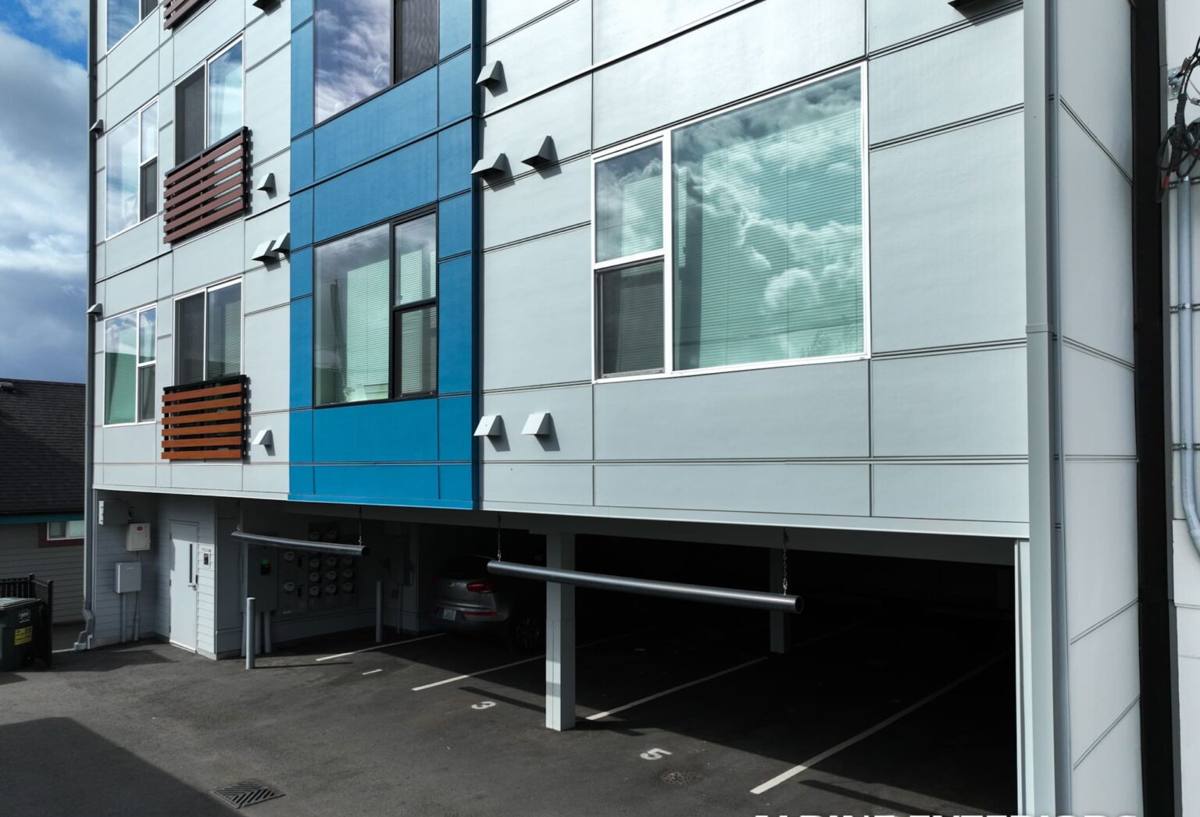
What Rain, Salt Air, and Moss Actually Do to Windows Over Time
It helps to understand the mechanism, not just the symptom, because it changes what "correct installation" means.
Driving Rain and Wind-Driven Moisture
Rain that falls straight down is easy to shed. Rain that gets pushed sideways by wind — which is common in this part of Whatcom County — finds every gap in flashing, every skipped bead of sealant, and every place where house wrap wasn't lapped correctly around the window opening. Once water gets behind a window frame, it doesn't dry out quickly in our humidity. It sits in the wall cavity and starts rotting sheathing and framing from the inside, often years before anyone notices a stain on the interior trim.
Salt Air and Metal Fatigue
Homes closer to the water pick up airborne salt that settles on window hardware, screen frames, and exposed fasteners. Over time it accelerates corrosion on lower-grade hinges, cranks, and locks, and it can pit unprotected aluminum. It's rarely dramatic — it's a slow degradation that shows up as a window that used to open smoothly and now sticks or won't latch tight.
Moss, Algae, and Trapped Moisture
Our long damp season is ideal for moss and algae growth anywhere water sits instead of draining — on sills, in corners of frames, in window wells shaded by landscaping. Beyond looking bad, that trapped organic growth holds moisture against wood trim and caulking, breaking down seals faster than a drier climate would.
Signs an Everson Home's Windows Are Due for Replacement
- Fogging or a permanent haze between the panes of a double-pane window — the seal has failed and the gas fill is gone
- Visible gaps, cracked caulk, or soft/spongy trim around the window frame
- Windows that are noticeably harder to open, close, or lock than they used to be
- Cold drafts near the window even when it's fully closed and latched
- Condensation forming on the inside of the glass regularly during cooler months
- Visible wood rot, water staining, or moss growth on the sill or lower frame
- A noticeable jump in heating costs without any other explanation
Any one of these on its own isn't necessarily an emergency. Several at once, especially on windows over 15-20 years old, usually means the window and its installation have both reached the end of their useful life.
What a Correct Installation Actually Involves
Most window failures we see in Everson aren't a bad window — they're a window that was installed without the flashing, sealing, and drainage details this climate requires. A proper install includes:
- Removing the old window and inspecting the framing, sheathing, and sill for hidden rot before anything new goes in
- Repairing or replacing any damaged framing — never installing a new window over compromised wood
- Installing sill pan flashing so any water that does get past the window has a way out instead of a place to pool
- Lapping house wrap and flashing tape in the correct shingle-style order so water is always directed outward and down
- Setting the window plumb, level, and square, then securing it per the manufacturer's fastening schedule
- Sealing with an appropriate exterior sealant at the right joints — and only the right joints, since sealing the wrong spot can trap moisture instead of stopping it
- Insulating the gap between the window frame and rough opening properly, without overpacking it and bowing the frame
- Finishing interior and exterior trim and confirming the window operates smoothly before we call the job done
Skip any one of those steps and you can end up with a brand-new, expensive window that still leaks or fails early — the product wasn't the problem.
Choosing the Right Window for an Everson Home
There's no single "best" window material — the right choice depends on your home's exposure, your maintenance appetite, and your budget. Here's how the common options compare for our climate specifically:
| Material | How it handles our climate | Maintenance | Typical trade-offs |
|---|---|---|---|
| Vinyl | Good moisture and salt resistance; won't rot or corrode | Low — occasional cleaning | Frame can flex over very large sizes; color/finish options are more limited |
| Fiberglass | Excellent — very stable in wet, temperature-swinging conditions | Low | Higher upfront cost than vinyl |
| Wood | Handsome but the most vulnerable to our rain and moss unless meticulously maintained | High — regular painting/sealing required | We're honest with clients that wood carries real ongoing maintenance risk here |
| Wood-clad (wood interior, metal or vinyl exterior) | Good — exterior cladding shields the wood from direct weather | Moderate | Cladding seams need correct detailing or moisture can still get behind them |
| Aluminum | Fair — durable but conducts cold and can corrode in salt-influenced air without a quality finish | Low to moderate | More prone to condensation on the frame in our damp winters |
For most Everson homes, we steer clients toward vinyl or fiberglass because they hold up to sustained damp weather with the least ongoing attention. If you love the look of wood, wood-clad options let you get closer to that appearance while keeping the exposed exterior surface low-maintenance — we'll walk through what fits your home and your budget honestly rather than push whatever has the highest margin.
Our Installation Process, Start to Finish
1. On-Site Assessment
We look at each window opening individually — sun exposure, wind exposure, existing framing condition, and any signs of past moisture intrusion — before recommending anything.
2. Product Selection
We walk through material, glass package, and hardware options based on that assessment, not a one-size-fits-all package.
3. Removal and Inspection
Old windows come out carefully so we can inspect the rough opening. If there's rot or damage, we address it before installation continues — this is where a lot of corner-cutting installers stop looking.
4. Flashing and Weatherproofing
Sill pans, flashing tape, and house wrap integration are done in the correct sequence for wind-driven rain, every time, not just on jobs where it's convenient.
5. Setting and Fastening
Each window is shimmed, squared, and fastened to spec so it operates correctly and doesn't stress the frame.
6. Sealing, Insulating, and Trim
Interior insulation, exterior sealant, and finish trim are completed and the window is cycled open and closed to confirm smooth operation.
7. Walkthrough
We show you the finished work, explain any care specific to your chosen material, and answer questions before we consider the job complete.
Cost Factors for Window Installation in Everson
Every home is different, so we won't quote a number without seeing the job, but these are the factors that actually move the price:
| Factor | Why it affects cost |
|---|---|
| Window material and glass package | Fiberglass and upgraded low-E or triple-pane glass cost more than standard vinyl double-pane |
| Number and size of windows | Larger and more numerous openings mean more material and labor |
| Condition of the existing framing | Hidden rot repair adds time and material that can't be priced until the old window is out |
| Full-frame vs. insert replacement | Full-frame replacement (removing down to the studs) costs more than an insert into a sound existing frame, but is often necessary when moisture damage is present |
| Access and site conditions | Second-story or hard-to-reach windows take more time and equipment |
| Trim and finish work | Matching existing interior trim or custom exterior finish adds labor |
As a rough guide, single window replacements for an average home typically run from the low thousands per window depending on size and material, with whole-house projects priced per window once we've assessed your specific openings. We'll always break the estimate down so you know what you're paying for.
Why Hire a Crew That Already Works in Everson
Building codes, typical framing methods, and the specific weather stresses in Whatcom County aren't the same everywhere. A crew that installs windows regularly in Everson and the surrounding Ferndale area already knows how local homes were framed, what moisture problems tend to show up first here, and how to detail flashing for our particular mix of driving rain and long wet seasons. That local familiarity is the difference between an installation that just looks finished and one that's actually built to hold up through another decade of Whatcom County winters.
If your windows are drafty, fogged, sticking, or just older than you'd like to admit, we're happy to take a look and give you an honest read on repair versus replacement — no pressure, no upsell script. Reach out for a free estimate using the form below and we'll get a time on the calendar.