 Ferndale Window
 Building Decks for Blaine's Waterfront Climate
Blaine sits right on the water, tucked against Semiahmoo Bay and Drayton Harbor at the top of Whatcom County, and that location shapes everything about how a deck should be built here. A deck that would hold up fine twenty miles inland can start showing corrosion, soft spots, and slick green growth within a couple of seasons if it's built the way decks are built everywhere else. Salt-laden air, wind-driven rain coming off the water, and a long stretch of gray, damp months every year all put extra demand on the materials, fasteners, and details that go into a deck. We build decks for homes in Blaine the way this specific stretch of coastline requires, not the way a generic spec sheet says to.
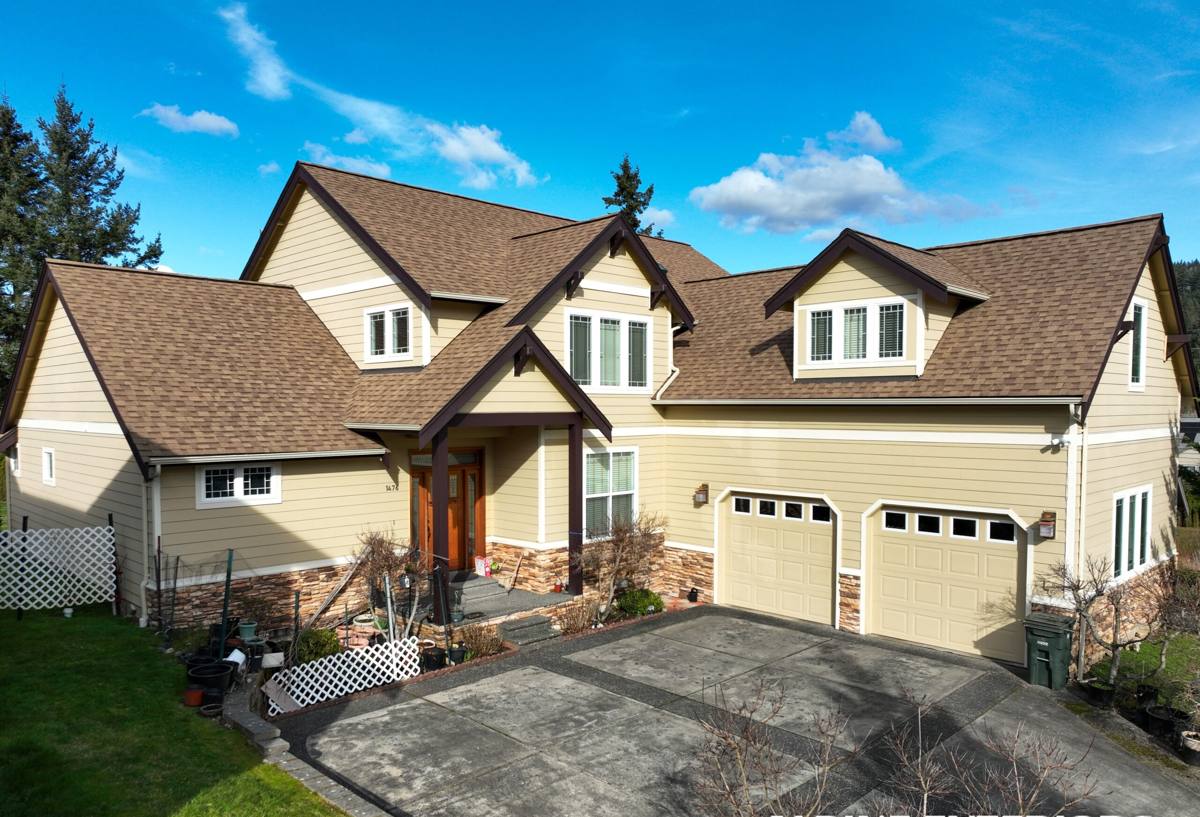
What Blaine's Climate Actually Demands From a Deck
Salt Air and Corrosion
Proximity to the bay means airborne salt settles on everything, including fasteners, flashing, and any exposed metal hardware on a deck. Standard galvanized screws and joist hangers that would last decades in a drier, inland yard can start rusting and staining the wood around them in a fraction of that time near the water. This isn't a defect in the hardware — it's just what salt air does to ordinary coated steel over years of exposure. The fix is choosing fastener and hardware grades rated for coastal or marine exposure from the start, not patching corrosion after it shows up.
Driving Rain
Storms coming off the water in this part of Whatcom County often bring rain sideways, not straight down. That matters a lot at the points where a deck meets the house — the ledger board connection, any rim joist flashing, and wherever the deck surface butts up against siding or a door threshold. A deck built for calmer, drier conditions might get away with minimal flashing at these joints. A deck exposed to driving rain off Semiahmoo Bay needs properly lapped flashing, correctly sloped surfaces, and gaps that let water shed away from the house rather than pool against it.
Moss Season
Blaine's mild, wet winters and shoulder seasons are exactly the conditions moss and algae need to take hold on any horizontal wood or composite surface that doesn't get much direct sun. On a deck, that growth isn't just cosmetic — it holds moisture against the decking material, and on wood surfaces it can accelerate rot in the boards underneath. Decks under tree cover or on the shaded side of a house need design choices — board spacing, ventilation underneath, material selection — that account for a moss season that can run several months out of the year.
Choosing the Right Decking Material for a Waterfront Property
There's no single "best" decking material for every Blaine home — the right choice depends on how much sun and salt exposure the deck gets, how much upkeep the homeowner wants to do, and the look they're after. Here's an honest comparison of the main options we install:
| Material | How It Handles Salt Air & Moisture | Moss/Algae Resistance | Maintenance |
|---|---|---|---|
| Pressure-treated wood | Good if fasteners and hardware are marine-rated; wood itself is rot-resistant but needs sealing | Low — needs regular cleaning and treatment | Annual sealing/staining recommended |
| Cedar | Naturally moisture-resistant but softer; benefits from marine-grade fasteners | Low to moderate | Periodic sealing to maintain color and resistance |
| Composite decking | Very good — doesn't absorb moisture like wood, resists salt staining | Moderate — surface texture matters, some boards shed algae better than others | Low — periodic washing, no sealing |
| PVC/capped decking | Excellent — fully sealed surface, minimal moisture absorption | Moderate to good depending on texture | Very low — occasional washing |
For homes with heavy tree cover or a shaded north side, we often steer homeowners toward composite or capped boards specifically because they don't hold moisture the way wood does, which slows moss down considerably even if it doesn't eliminate the need to clean the surface. For sunnier, more exposed decks, well-treated wood with the right hardware is still a solid, more budget-friendly option.
What a Correctly Built Deck Involves
The visible decking boards are the least of what determines whether a deck lasts in this climate. The structure underneath and the connection points are what fail first when a deck is built to a lower standard, and most of that work is invisible once the project is finished.
- Footings sized for the soil and frost conditions on the specific lot, not a generic minimum
- Ledger board flashing that properly sheds water away from the house band joist and siding
- Joist tape or butyl flashing over every joist top to keep water from wicking into end grain and fastener holes
- Stainless or coated marine-grade fasteners and joist hangers rated for the salt exposure this close to the bay
- Proper board spacing to let water and debris drain through rather than collect on the surface
- Ventilation underneath the deck so trapped moisture doesn't sit against joists and framing
Skip any one of these and the deck may look fine for a year or two before problems start showing up where you can't easily see them — usually at the ledger connection or in the joists, which is the most expensive place for a problem to hide.
Our Deck Building Process
Every deck we build in Blaine goes through the same sequence, adjusted for the specific site:
- Site walk and design. We look at sun exposure, tree cover, wind exposure off the water, and how the deck will connect to the house before recommending a layout and material.
- Structural plan. Footing depth and layout, ledger attachment method, and framing spans get worked out for the actual soil and load conditions on the property.
- Permitting. We handle the permit application and inspections required for the project so the homeowner isn't stuck navigating that process alone.
- Framing and flashing. This is where the coastal-specific details go in — marine-grade hardware, ledger and joist flashing, and proper drainage slope.
- Decking installation. Boards go down with the spacing and fastening method appropriate to the material chosen.
- Final walkthrough. We go over the finished deck with the homeowner, including what maintenance it will need and when.
Permits and Local Considerations
Whatcom County and the City of Blaine have their own permitting requirements for deck construction, and requirements can differ depending on whether the property is inside city limits, how close the deck sits to the shoreline, and whether it's attached to the house. Decks near the water can also fall under shoreline setback rules that don't apply to a typical inland build. Height, guardrail, and stair requirements are also code-driven and get checked at inspection. We pull the correct permits and build to the applicable code so the homeowner isn't left with an unpermitted structure that causes problems at resale or insurance time.
Maintaining a Deck Through Blaine's Wet Months
Even a well-built deck needs some seasonal attention in this climate to stay ahead of moss and moisture. A few habits go a long way:
- Sweep debris off the surface regularly, especially in fall when leaves and needles collect and trap moisture
- Wash the deck surface at least once a year to remove early moss and algae growth before it gets established
- Check that gaps between boards stay clear so water keeps draining instead of pooling
- Inspect the ledger connection and any visible flashing periodically for signs of water staining
- Reseal wood decking on the schedule appropriate to the product — composite and PVC decking don't need this step
None of this is heavy work, but skipping it for several years in a row in a climate with this much moisture and moss pressure is how small maintenance items turn into structural ones.
Signs an Existing Deck Needs Attention
If you already have a deck in Blaine, a few warning signs are worth checking for before they become bigger problems:
- Soft or spongy spots underfoot, especially near the house or at stair landings
- Rust streaking around screws, bolts, or joist hangers
- Persistent green or black growth that comes back quickly after cleaning
- Gaps opening up at the ledger board where the deck meets the house
- Railings or stairs that feel less rigid than they used to
Any of these can usually be addressed, but the earlier they're caught, the less invasive and less costly the fix tends to be.
Why a Crew That Already Works Blaine Matters
A contractor who mostly builds decks in drier, inland parts of Whatcom County can still build a structurally sound deck — but they may not default to marine-grade hardware, may under-detail the flashing at the ledger, or may not think through moss management for a shaded, waterfront lot. Those aren't hypothetical mistakes; they're the specific ways decks in this climate tend to fail early. A crew that regularly builds and repairs decks in and around Blaine has already seen how salt air, driving rain, and moss season play out on real houses here, and builds with those conditions in mind from the first footing rather than treating them as an afterthought.
If you're planning a new deck or want an honest look at how an existing one is holding up, we're happy to come take a look. Reach out for a free, no-pressure estimate using the form below.