 Ferndale Window
 Custom Windows for a Different Kind of Weather
Birch Bay sits right on the water in Whatcom County, and that changes what a window has to survive. A few miles inland in Ferndale, a window mostly deals with rain and the occasional windstorm. Out at Birch Bay, you're adding salt-laden air off the water, near-constant onshore wind, and driving rain that hits siding and glass at an angle instead of straight down. Add in a moss season that runs long on this side of the Cascades, and you've got a set of conditions that will find every weak point in a window install — the frame material, the flashing, the sealant, all of it.
Custom windows done right for Birch Bay aren't just about picking a style you like. They're about matching the frame material, glazing, and installation detail to a coastal microclimate that's noticeably harder on materials than the rest of Whatcom County. This page covers what that actually looks like.
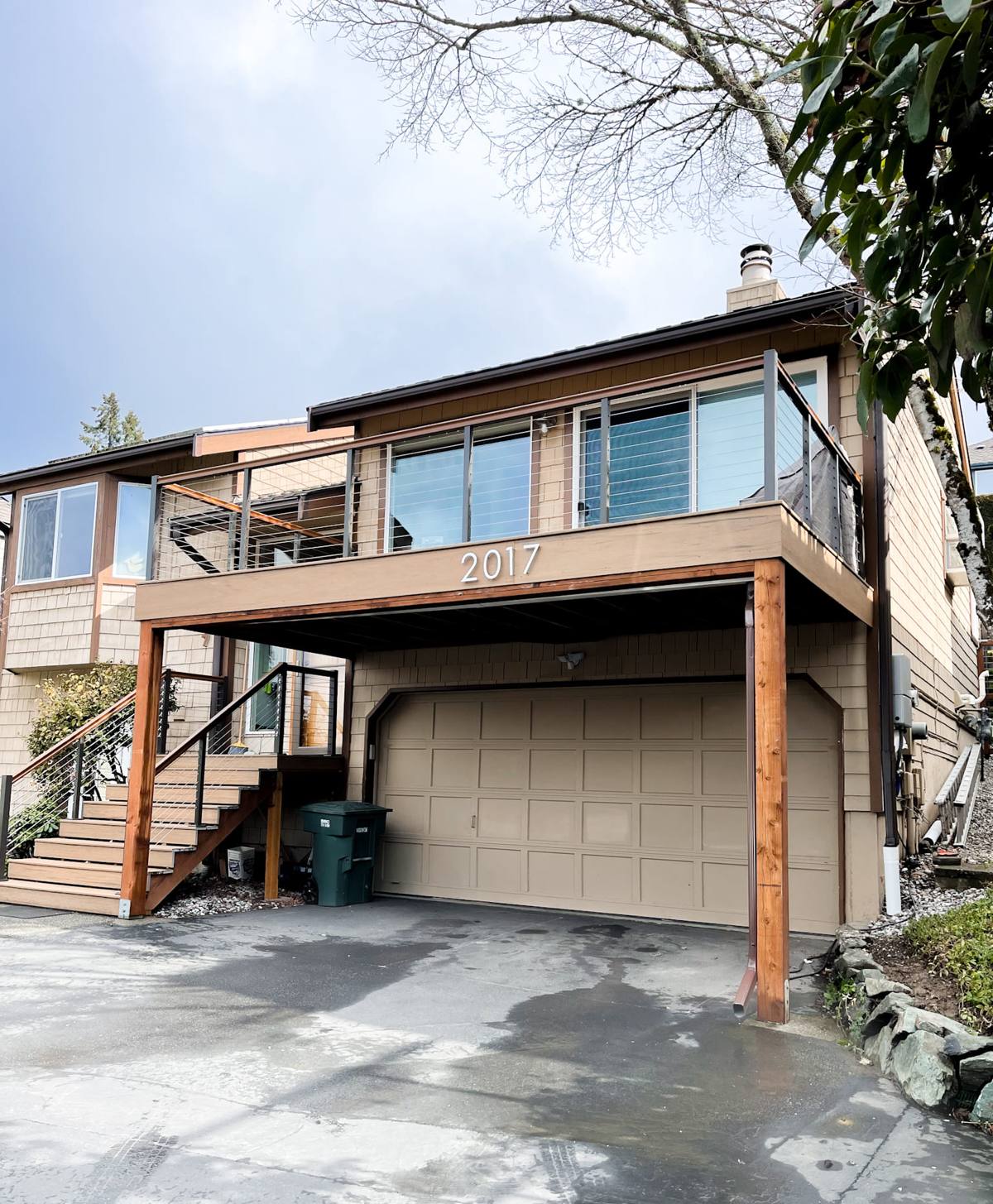
What Salt Air and Coastal Exposure Do to Windows Over Time
Salt air is corrosive, full stop. It doesn't take a direct ocean-front lot to feel it — wind carries salt spray well inland from the shoreline, and it settles on glass, hardware, and frame surfaces even on homes that aren't waterfront. Over years, that exposure shows up in predictable ways:
- Pitting and corrosion on unprotected aluminum hardware — hinges, locks, and cranks that start sticking or seizing years before they should
- Accelerated breakdown of low-grade seals and gaskets, which lets moisture and air infiltrate around the sash
- Faster fading and chalking on cheaper vinyl and painted finishes exposed to salt and UV together
- Mineral and salt deposits on glass that etch the surface if left to sit and dry repeatedly
None of this means windows can't hold up at Birch Bay — it means the material and hardware choices matter more here than they would on a sheltered lot further inland. We spec differently for coastal jobs than we do for a standard Ferndale install, and we'll tell you honestly when a product isn't a good fit for how close you are to the water.
Driving Rain and Wind-Driven Water Intrusion
The bigger day-to-day risk isn't the salt itself — it's water. Wind off the bay pushes rain sideways into a wall assembly instead of letting it run down and off. That means the flashing details around a window opening matter as much as the window unit itself. A watertight window with a sloppy flashing job will still leak. We've seen it plenty of times on other contractors' work we've been called in to fix: good window, bad integration with the wall.
Moss, Mildew, and the Long Wet Season
Whatcom County's wet season stretches long, and Birch Bay's exposure keeps surfaces damp even longer than average. Moss and mildew don't just grow on roofs — they take hold in window sills, tracks, and any spot where water sits instead of draining. A window with poor drainage design (weep holes that are undersized, misaligned, or easily clogged) will collect standing water in the sill, and that's exactly where moss and rot get started.
What a Correct Custom Window Job Involves Here
"Custom" means the window is built to the exact opening and to the performance level the location calls for — not a stock size trimmed to fit. For Birch Bay, a correct job covers several things beyond just ordering the right size:
- Accurate field measurement of every opening, since coastal homes — especially older ones — often have openings that aren't perfectly square anymore
- Frame and hardware material chosen for salt exposure, not just budget
- Flashing and moisture barrier integration that ties into the existing wall assembly correctly, with attention to how wind-driven rain actually moves across the wall
- Sill and drainage design that sheds water fast and resists clogging from debris and moss
- Sealant selection rated for the temperature swings and UV exposure of a coastal install, not a generic caulk
- Proper insulation around the frame so you're not just weatherproofing the window but the whole opening
Skip any one of these and the window itself can be excellent quality and still fail early — usually as a leak, fogged glass, or hardware that seizes up within a few years.
Frame Material: What Actually Holds Up on the Bay
We get asked a lot whether vinyl, fiberglass, or wood is the "right" choice for a place like Birch Bay. Honestly, there isn't one universal answer — it depends on your home's style, your budget, and how close you are to the water. Here's how they generally compare for coastal Whatcom County conditions:
| Frame Material | Coastal/Salt Performance | Maintenance | Typical Trade-Offs |
|---|---|---|---|
| Vinyl (quality-grade) | Good — won't corrode or rust; UV-stable formulations resist chalking | Low — occasional cleaning | Fewer color/finish options; lower-grade vinyl can degrade faster in UV and salt |
| Fiberglass | Very good — dimensionally stable, resists moisture absorption and swelling | Low | Higher upfront cost than vinyl |
| Aluminum-clad wood | Good exterior protection with interior wood warmth, but hardware and clad seams need quality control near salt air | Moderate — interior wood may need refinishing over time | Higher cost; more installation sensitivity around cladding seams |
| Bare wood | Weakest for direct coastal exposure — needs diligent upkeep to resist moisture and rot | High — regular painting/sealing required | Best fit for sheltered elevations, not exposed coastal walls |
Our general approach: for exposed elevations facing the water and prevailing wind, we steer clients toward vinyl or fiberglass with marine-grade or corrosion-resistant hardware. For sheltered sides of the house, or where you want a specific look, wood-clad options can still make sense. We'll walk your specific home and give you a straight answer, not a one-size-fits-all pitch.
Our Process for Custom Window Jobs in Birch Bay
1. On-Site Assessment
We look at the existing openings, current window condition, wall assembly, and which elevations take the brunt of the wind and rain. Exposure isn't uniform across a house — the water-facing side often needs a different spec than the leeward side.
2. Measurement and Product Selection
Every opening gets measured individually — older Birch Bay homes especially can have settling or slightly out-of-square openings that a stock window won't seat properly. We help you pick frame material, glass package, and hardware based on that assessment, not just a catalog default.
3. Removal and Opening Prep
Old windows come out, and we inspect the framing and sheathing behind them for hidden moisture damage before anything new goes in. This step gets skipped by rushed installs, and it's the single biggest reason a "new window" leaks within a year or two — you can't seal a new unit into rotten framing and expect it to hold.
4. Installation with Proper Flashing
This is where coastal installs earn their keep. We integrate flashing with the existing weather-resistive barrier so water is directed out and down, not into the wall cavity, and we account for wind-driven rain pushing water sideways under normal shingle-style flashing assumptions.
5. Sealing and Insulation
We insulate the gap around the frame and seal with products rated for UV and temperature cycling, not generic hardware-store caulk that chalks and cracks within a couple seasons near salt air.
6. Final Walkthrough
We check operation, seal quality, and drainage before we call the job done, and we'll explain what maintenance (if any) your specific frame and hardware choice needs going forward.
Signs Your Birch Bay Home May Need New Custom Windows
- Visible condensation or fogging between panes (a sign the seal has failed)
- Hardware that's stiff, corroded, or won't lock smoothly
- Drafts or a noticeable temperature difference near the window even when closed
- Soft or discolored trim, sill, or wall material around the frame — a sign of past or ongoing water intrusion
- Visible moss or persistent mildew building up in the sill or tracks
- Wood frames with peeling paint, swelling, or soft spots
- Windows that are original to an older home and have never been replaced
Any one of these on its own isn't necessarily an emergency, but a few of them together — especially soft trim combined with hardware corrosion — usually means water has been getting past the seal for a while.
Cost Factors for Custom Windows in This Area
Pricing depends on the specifics of your home, so we won't quote a number without seeing the job, but the main factors that move the price are consistent:
| Factor | Why It Matters |
|---|---|
| Number and size of openings | Bigger jobs get some efficiency, but each opening still needs individual measurement and flashing |
| Frame material | Vinyl is generally the most budget-friendly; fiberglass and wood-clad run higher |
| Glass package | Double vs. triple pane, and coatings for UV/heat performance, add cost but also long-term comfort and efficiency |
| Condition behind the existing window | If we find rot or moisture damage during removal, that repair adds time and material before the new window goes in |
| Exposure of the elevation | Water-facing walls sometimes call for upgraded flashing details or hardware, which adds a modest amount to that portion of the job |
We'd rather walk your home and give you real numbers than throw out a broad range that doesn't mean much for your specific situation.
Why It Matters to Hire a Crew That Already Works Birch Bay
A window contractor who mostly works inland jobs isn't necessarily going to under-spec your coastal install on purpose — they just may not think about salt exposure, wind-driven rain angles, or drainage design the same way, because it's not the problem they deal with every week. Working regularly in Birch Bay and along the rest of the Whatcom County coastline means we've seen what fails here specifically: which hardware corrodes early, which sealants chalk out fast in this UV and salt combination, and which flashing shortcuts show up as leaks two or three winters later.
That's the value of a local crew — not a slogan, just fewer surprises, because we've already made and fixed the mistakes that show up specifically in this environment.
Get a Free, No-Pressure Estimate
If your windows are showing wear, fogging, or drafts — or you're planning ahead for a renovation — we're happy to come take a look and give you an honest read on what your home actually needs. No pressure, no upsell script, just a straight assessment and a real number. The estimate form below gets you started.