 Ferndale Window
 Lynden's Climate Is Harder on Siding Than It Looks
Lynden sits inland from the Whatcom County coastline, surrounded by open farmland, the Nooksack River valley, and a mix of older farmhouses and newer subdivisions. That setting brings its own set of siding problems. Homes here get less tree canopy than the wooded lots closer to Bellingham or Ferndale, which means more direct exposure to wind-driven rain sweeping in off the fields. Combine that with the long, gray stretch of fall and winter when surfaces rarely get a chance to fully dry out, and you have a climate that is quietly hard on exterior materials, even when nothing looks obviously wrong.
Salt air is a bigger factor for the coastal parts of Whatcom County than it is for Lynden, since the city sits well inland. But the bigger threats here — driving rain, a long moss season, and repeated freeze-thaw cycles through the winter — do just as much damage over time, just in a different way. A siding repair approach built for a coastal home isn't quite the same job as one built for Lynden's farmland exposure, and treating them the same is how repairs fail early.
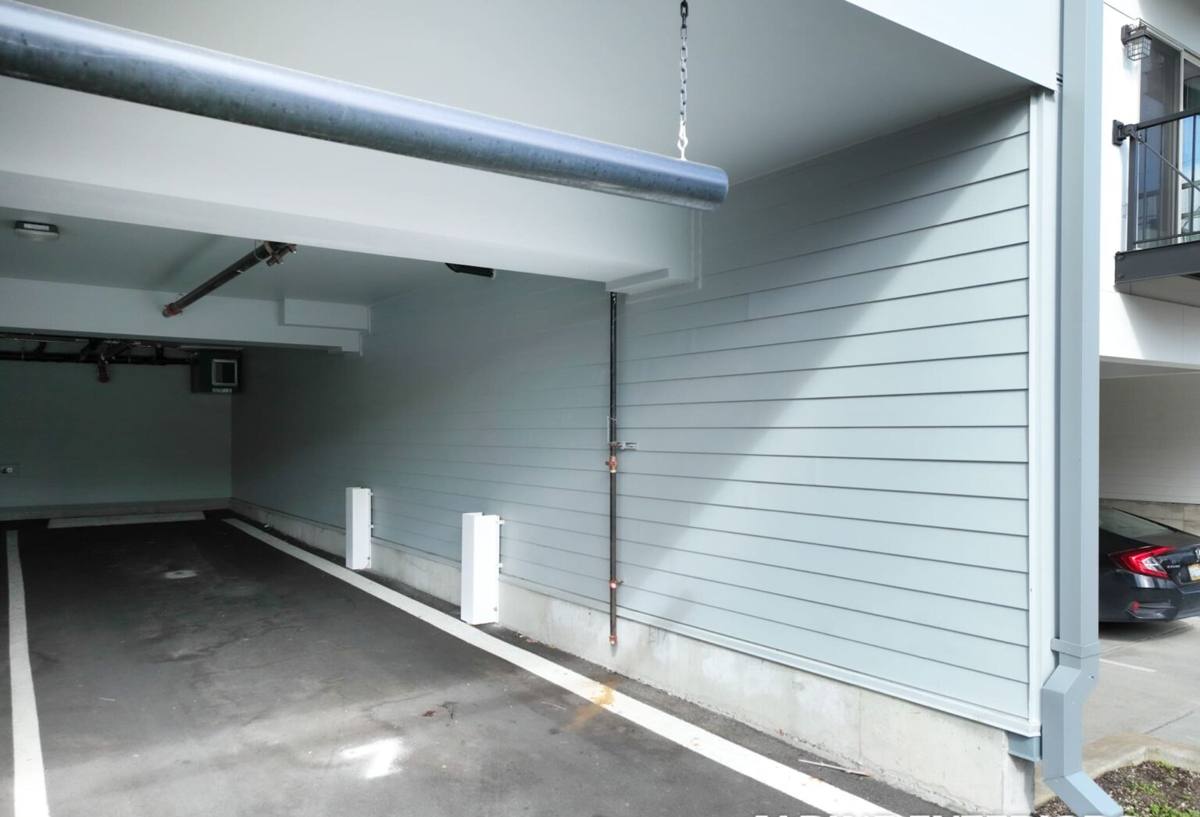
Warning Signs It's Time to Look Closer
Most siding failures in this area don't announce themselves with a dramatic crack. They start small and get ignored until a repair turns into a much bigger project. Walk your exterior a couple times a year and watch for:
- Soft or spongy spots when you press on a board, especially near the bottom courses and around windows
- Paint that's bubbling, peeling, or repeatedly failing in the same spot
- Visible gaps, warping, or boards pulling away from the wall
- Dark streaking, moss, or algae that keeps coming back after cleaning
- Musty smells or discoloration on interior walls that back up to exterior siding
- Caulking that's cracked or missing around trim, corners, and penetrations
Any one of these on its own might be minor. Several together, especially clustered in one area, usually means water has been getting behind the siding for a while.
What's Actually Damaging Your Siding
Driving Rain and Wind-Driven Moisture
Lynden's open exposure means rain doesn't just fall straight down — wind pushes it sideways into wall assemblies, especially on the west and south faces of a house. Over years, that pressure finds every weak seam, unsealed joint, and poorly lapped board. It's rarely a single storm that causes damage; it's the accumulation of hundreds of these events finding the same weak point.
Moss, Algae, and Prolonged Dampness
The long, wet stretch from fall through spring gives moss and algae plenty of time to establish themselves, particularly on north-facing walls and shaded sections near landscaping. Beyond the cosmetic issue, moss holds moisture directly against the siding surface far longer than the material was ever designed to tolerate, which accelerates rot in wood-based products and breaks down paint film faster than normal weathering would.
Freeze-Thaw and Temperature Swings
Whatcom County winters aren't extreme, but they do dip below freezing regularly, often right after a soaking rain. Water that's worked its way into a seam or a soft board expands as it freezes, widening the damage. Repeat that cycle enough winters in a row and small problems become structural ones.
Repair or Replace? How We Decide
Not every problem calls for full re-siding, and we don't push replacement when a targeted repair will genuinely hold up. The honest answer usually comes down to how far the damage has spread and what's driving it.
| Situation | Usually a Repair | Usually Points to Replacement |
|---|---|---|
| Damage area | Isolated to one section or a few boards | Spread across multiple walls or elevations |
| Root cause | Identifiable, fixable issue (flashing, caulking, impact damage) | Systemic moisture intrusion or original installation defects |
| Material condition | Sound material around the damaged section | Widespread softness, rot, or delamination |
| Age of siding | Well within expected service life | At or past the end of its practical lifespan |
| Underlying sheathing | Dry and intact | Wet, soft, or already compromised |
We check underlying conditions before quoting anything — patching over a hidden moisture problem just delays a bigger repair bill later, and we'd rather tell you that upfront.
What a Proper Siding Repair Involves
Finding the Real Problem, Not Just the Symptom
A stained board is usually a symptom, not the whole story. Before any material comes off, we trace where water is actually entering — a failed seal at a window head, a missing kick-out flashing, a gap where trim meets siding — because replacing the visible damage without fixing the entry point just buys you the same repair again in a couple of years.
Matching Material and Finish
Repairs need to match the surrounding siding in profile, exposure, and finish, or the patch stands out and can create its own water path at the transition. When the existing siding is a product we don't install — vinyl, LP SmartSide, cedar, or primed spruce, for example — we'll say so plainly and explain your realistic options rather than pretending we can make an invisible match with a product we don't stand behind long-term.
Flashing and Moisture Management
Any competent siding repair includes checking and correcting the flashing and water-shedding details around the repair area, not just swapping boards. Proper lapping, house wrap integration, and sealant at penetrations are what actually keep water out — the visible siding is the last line of defense, not the only one.
Why Our Repair Standard Points Toward James Hardie
We install exclusively James Hardie fiber cement siding, and that shapes how we approach repairs too. When a repair is contained and the existing material is sound, we'll fix what's there. But when damage is widespread, or a home's original siding was a product prone to the same moisture and rot issues we're already seeing, we're honest that a patch is a short-term answer.
Hardie's fiber cement is non-combustible, holds its factory ColorPlus finish far longer than field-painted materials, and is engineered in HZ5 formulations for the Pacific Northwest's wet, moderate climate specifically — resistant to moisture absorption and the freeze-thaw cycling that causes so much of the damage we see in Lynden. It's backed by a strong transferable warranty. That's why, when a repair conversation turns into a replacement conversation, Hardie is what we recommend and what we install — not because it's the only decent product on the market, but because it's the one we're willing to put our name behind long-term in this climate.
Our Process for Lynden Siding Repair Calls
- Assessment: We walk the exterior, check moisture levels where we suspect intrusion, and identify the actual cause, not just the visible damage.
- Honest scope: You get a clear explanation of what's a repair, what's a bigger issue, and what it will cost — no upsell, no downplaying.
- Correct execution: We fix the water path first, then address the siding itself, matching material and finish as closely as the situation allows.
- Cleanup and check: Job site cleared, and we walk the repair with you before we call it done.
Why Hire a Crew That Already Works in Lynden
Lynden's mix of older farmhouses, agricultural outbuildings, and newer residential subdivisions means the siding problems we run into here aren't identical to what we see closer to the water in Ferndale. A crew that regularly works this area already understands the exposure differences between an open farmland lot and a sheltered in-town property, knows what local permitting looks like for exterior work, and isn't learning Whatcom County's weather patterns on your dime. That familiarity shows up in fewer surprises and a repair that's actually built for the conditions your specific property faces.
Keeping Repaired Siding Protected Going Forward
A good repair should buy you years, not months. After the work is done, a little regular attention goes a long way in this climate:
- Rinse off moss and algae buildup before it has a chance to hold moisture against the surface
- Check and refresh caulking around trim, windows, and penetrations every couple of years
- Keep gutters clear so overflow isn't running down the wall face
- Trim back vegetation that's shading siding and keeping it damp
- Do a quick visual walk of the exterior each fall before the wet season sets in
If you're seeing damage, soft spots, or recurring moss on your Lynden home's siding, we're happy to take a look and give you a straight answer about what it actually needs. Reach out for a free, no-pressure estimate using the form below.